English

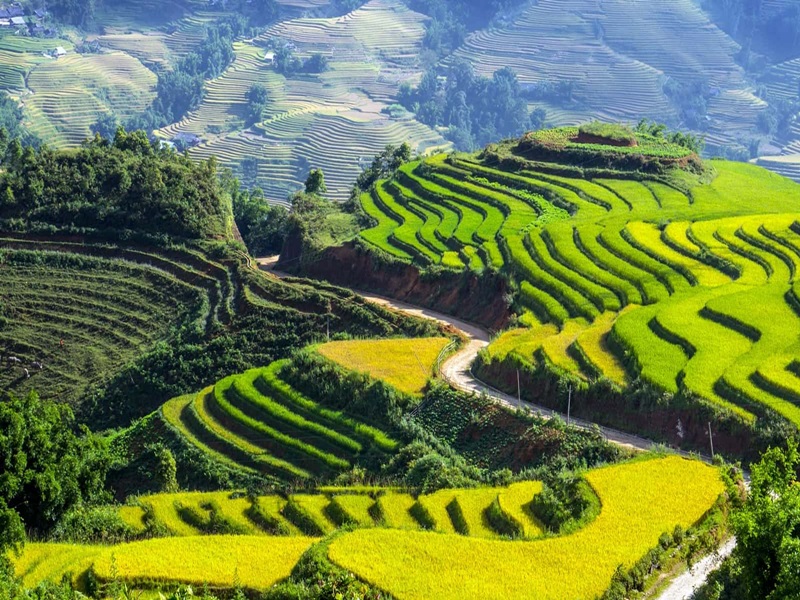
Rice fields at Muong Hoa Valley
Best Time to Visit Vietnam
One of the most common questions travelers ask is, “When is the best time to visit Vietnam?” The answer depends on where you plan to travel, as Vietnam stretches over 1,650 kilometers from north to south and experiences three distinct climate zones. Unlike many countries, Vietnam does not have one single travel season that suits every destination.

Understanding the weather in each region will help you plan the perfect itinerary, avoid heavy rainfall, and enjoy the best outdoor experiences. Whether you’re trekking through mountain rice terraces, relaxing on tropical beaches, cruising through limestone bays, or exploring ancient cities, choosing the right season can make a significant difference.
For a detailed month-by-month breakdown of Vietnam’s climate, regional weather patterns, and travel recommendations, read our complete guide:
👉 https://danangtransfer.vn/en/best-time-to-visit-vietnam-weather-by-month-and-region/
Northern Vietnam (Hanoi, Sapa, Ha Giang, Ninh Binh & Ha Long Bay)
Northern Vietnam experiences four distinct seasons, making it one of the most diverse regions in terms of weather.
Best Months
- March
- April
- October
- November
These months offer pleasant temperatures, lower humidity, blue skies, and ideal conditions for sightseeing, hiking, photography, and cruises.
Spring (March–April) brings blooming flowers and comfortable weather, while autumn (October–November) offers crisp air and excellent visibility across the mountains and bays.
Summer (May–August)
Summer is hot and humid, with temperatures often reaching 30–38°C (86–100°F). Afternoon thunderstorms are common, although many sunny days remain.
This season is still suitable for visiting Ha Long Bay and Ninh Binh, but travelers should expect occasional rain.
Winter (December–February)
Winter is surprisingly cool in Northern Vietnam. Hanoi can drop to 10–15°C (50–59°F), while mountain destinations like Sapa and Ha Giang may experience temperatures close to freezing, with occasional frost or even snow.
If you enjoy cooler weather and mountain scenery, winter can be an excellent time to visit.
Central Vietnam (Hue, Da Nang, Hoi An, Ba Na Hills & Quy Nhon)
Central Vietnam enjoys some of the country’s best beach weather but has a different rainy season than the north and south.
Best Months
- February
- March
- April
- May
- June
- July
- August
These months offer abundant sunshine, calm seas, and warm temperatures between 27–35°C (81–95°F), making them perfect for beach holidays, sightseeing, and scenic road trips.
Popular activities during this period include:
- Relaxing at My Khe Beach
- Exploring Hoi An Ancient Town
- Visiting Ba Na Hills and the Golden Bridge
- Driving across Hai Van Pass
- Discovering Hue’s Imperial City
- Snorkeling and island tours around Da Nang
Rainy Season (September–November)
Heavy rainfall becomes more frequent during autumn. Hue and Hoi An occasionally experience flooding after prolonged rain, while storms from the East Sea may affect travel plans.
If you’re planning to visit Central Vietnam during these months, it’s a good idea to keep your itinerary flexible and monitor local weather forecasts.
Southern Vietnam (Ho Chi Minh City, Mekong Delta & Phu Quoc)
Southern Vietnam enjoys a tropical climate with warm temperatures throughout the year.
Best Months
- December
- January
- February
- March
- April
This is the dry season, characterized by sunny skies, low rainfall, and temperatures averaging 28–34°C (82–93°F). It is the perfect time for exploring Ho Chi Minh City, cruising the Mekong Delta, or relaxing on the beaches of Phu Quoc.
Rainy Season (May–November)
Rainfall usually comes in short, heavy afternoon showers lasting 30–90 minutes. These showers rarely affect an entire day, so sightseeing remains possible with proper planning.
The rainy season also brings lush green landscapes and fewer tourists, making it an attractive option for budget-conscious travelers.
Vietnam Weather by Month
| Month | Northern Vietnam | Central Vietnam | Southern Vietnam |
|---|---|---|---|
| January | Cool & Dry | Mild & Pleasant | Dry Season |
| February | Cool & Sunny | Excellent Weather | Dry Season |
| March | Ideal | Excellent | Dry Season |
| April | Excellent | Excellent | Hot & Dry |
| May | Warm | Sunny | Beginning of Rainy Season |
| June | Hot | Beach Season | Tropical Showers |
| July | Hot | Beach Season | Rainy Season |
| August | Hot | Beach Season | Rainy Season |
| September | Rain Begins | Rainy Season | Rainy Season |
| October | Excellent | Wet Season | Rainy Season |
| November | Excellent | Rain Ending | Transition Season |
| December | Cool | Pleasant | Dry Season |
Best Time Based on Your Travel Style
Choosing the best time also depends on the type of holiday you’re looking for.
For Beach Holidays
The ideal period is February to August, especially for Da Nang, Hoi An, Quy Nhon, Nha Trang, and Phu Quoc.
For Hiking and Mountain Adventures
Visit Sapa and Ha Giang between September and November or March and April, when the weather is cool and the landscapes are at their most beautiful.
For Cultural Sightseeing
If your itinerary includes Hanoi, Hue, Hoi An, and Ho Chi Minh City, the most comfortable months are March, April, October, and November, when temperatures are moderate and rainfall is generally low.
For Budget Travelers
Traveling during the shoulder seasons—May, September, or November—often means lower hotel rates, cheaper flights, and fewer crowds while still enjoying good weather in many parts of the country.
When Should First-Time Visitors Travel to Vietnam?
If you’re visiting Vietnam for the first time and plan to explore multiple regions in one trip, the best overall months are March and April. During this period, weather conditions are generally favorable across the north, central coast, and south, making it easier to combine destinations such as Hanoi, Ha Long Bay, Ninh Binh, Hue, Da Nang, Hoi An, and Ho Chi Minh City into one unforgettable itinerary.
Likewise, October and November are excellent choices for travelers focusing on Northern Vietnam, while February to August remains the prime season for beach vacations in Central Vietnam.
For a complete regional weather guide, monthly travel recommendations, festivals, and seasonal travel tips, don’t miss our in-depth article:
👉 Best Time to Visit Vietnam: Weather by Month and Region
https://danangtransfer.vn/en/best-time-to-visit-vietnam-weather-by-month-and-region/


Top Places to Visit in Vietnam for First-Time Visitors
Vietnam is home to an incredible variety of destinations, each offering its own unique charm, history, culture, and natural beauty. From the towering limestone mountains of the north to the pristine beaches of the central coast and the vibrant cities of the south, every region has something special to offer.
For first-time visitors, deciding where to go can feel overwhelming because Vietnam has so many world-class attractions. The good news is that whether you’re interested in UNESCO World Heritage Sites, breathtaking landscapes, ancient towns, tropical islands, mountain adventures, or authentic local culture, you’ll find unforgettable experiences throughout the country.

If you’re looking for a complete overview of Vietnam’s most popular destinations, travel routes, and regional highlights, be sure to explore these detailed guides:
👉 Top 12 Places to Visit in Vietnam (North to South)
https://danangtransfer.vn/en/top-12-places-to-visit-in-vietnam-north-to-south-2026-travel-guide/
👉 Vietnam Travel Map – The Ultimate Guide for Travelers
https://danangtransfer.vn/en/vietnam-travel-map-the-ultimate-guide-for-travelers/
👉 Central Vietnam Travel Guide – Da Nang, Hoi An & Hue Itinerary
https://danangtransfer.vn/en/central-vietnam-travel-guide-the-ultimate-da-nang-hoi-an-hue-itinerary/
Below are the destinations every first-time visitor should consider including in their Vietnam itinerary.
Northern Vietnam
Northern Vietnam is famous for its dramatic mountain landscapes, ancient capital, UNESCO World Heritage Sites, and authentic ethnic cultures. It is an excellent destination for travelers who love history, photography, hiking, and natural scenery.
Hanoi
As Vietnam’s thousand-year-old capital, Hanoi perfectly blends ancient traditions with modern city life. Walking through the Old Quarter, visitors will discover narrow streets, French colonial architecture, bustling markets, hidden cafés, and some of the country’s best street food.
Top attractions include:
- Hoan Kiem Lake
- Hanoi Old Quarter
- Temple of Literature
- Ho Chi Minh Mausoleum
- Train Street
- West Lake
- Water Puppet Theatre
Hanoi is also one of the best places to experience authentic Vietnamese coffee culture, including the famous Egg Coffee.

Ha Long Bay
A UNESCO World Heritage Site and one of the New Seven Natural Wonders of the World, Ha Long Bay is famous for its emerald waters and thousands of limestone islands rising dramatically from the sea.
Popular activities include:
- Overnight luxury cruises
- Kayaking
- Swimming
- Cave exploration
- Squid fishing
- Sunset cruises
- Tai Chi on deck
For travelers looking for quieter alternatives, nearby Lan Ha Bay and Bai Tu Long Bay offer equally spectacular scenery with fewer crowds.

Ninh Binh
Often referred to as “Ha Long Bay on Land,” Ninh Binh is one of Vietnam’s most beautiful inland destinations. Limestone mountains rise above peaceful rivers, rice paddies, and ancient temples, creating some of the country’s most photogenic landscapes.
Must-visit attractions include:
- Trang An Boat Tour
- Tam Coc
- Mua Cave Viewpoint
- Hoa Lu Ancient Capital
- Bich Dong Pagoda
- Van Long Nature Reserve
Ninh Binh is ideal for nature lovers, photographers, and travelers seeking a peaceful escape from busy cities.

Sapa
Located in the Hoang Lien Son Mountains, Sapa is famous for spectacular rice terraces, cool mountain weather, and colorful ethnic minority communities.
Top experiences include:
- Trekking through terraced rice fields
- Visiting Cat Cat Village
- Exploring Lao Chai and Ta Van
- Riding the cable car to Fansipan Mountain
- Homestay experiences with local families
The best seasons to visit are spring and autumn when the weather is pleasant and the scenery is at its most beautiful.

Ha Giang
Ha Giang is Vietnam’s ultimate destination for adventure travelers. The legendary Ha Giang Loop offers breathtaking mountain passes, deep valleys, winding roads, and authentic local villages.
Highlights include:
- Ma Pi Leng Pass
- Nho Que River
- Dong Van Karst Plateau
- Lung Cu Flag Tower
- Meo Vac Sunday Market
- Traditional Hmong villages
Ha Giang offers one of Southeast Asia’s most spectacular road trips.

Central Vietnam
Central Vietnam combines rich imperial history, beautiful beaches, UNESCO heritage towns, mountain landscapes, and excellent cuisine. Many travelers consider this region the perfect introduction to Vietnam because destinations are close together and easy to explore.
For a complete itinerary covering this region, read:
👉 Central Vietnam Travel Guide: The Ultimate Da Nang – Hoi An – Hue Itinerary
https://danangtransfer.vn/en/central-vietnam-travel-guide-the-ultimate-da-nang-hoi-an-hue-itinerary/
Hue
Hue served as Vietnam’s imperial capital for over a century and remains one of the country’s most important historical destinations.
Major attractions include:
- Imperial Citadel
- Thien Mu Pagoda
- Minh Mang Tomb
- Khai Dinh Tomb
- Perfume River
- Dong Ba Market
Hue is also famous for its royal cuisine and the iconic Bun Bo Hue noodle soup.

Da Nang
Da Nang has rapidly become one of Vietnam’s top tourist destinations thanks to its clean beaches, modern infrastructure, scenic mountain roads, and convenient location.
Popular attractions include:
- My Khe Beach
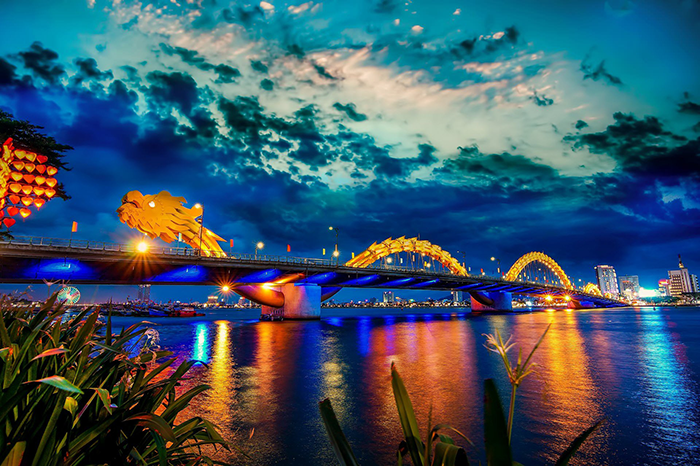
- Dragon Bridge
- Marble Mountains
- Son Tra Peninsula
- Linh Ung Pagoda
- Han River
- Hai Van Pass
Da Nang also serves as the perfect base for exploring nearby Hue and Hoi An.
Ba Na Hills
Located about 40 kilometers from Da Nang, Ba Na Hills is one of Vietnam’s most famous mountain resorts.
Highlights include:
- Golden Bridge
- World’s longest cable car systems
- French Village
- Fantasy Park
- Flower Gardens
- Mountain viewpoints
The Golden Bridge has become one of Vietnam’s most photographed landmarks and attracts visitors from around the world.

Hoi An
Hoi An Ancient Town is one of Vietnam’s most charming destinations and a UNESCO World Heritage Site.
Its lantern-lit streets, historic architecture, riverside cafés, and relaxed atmosphere make it a favorite among first-time visitors.
Top experiences include:
- Walking through the Ancient Town
- Japanese Covered Bridge
- Lantern Boat Ride
- Tailor-made clothing
- Night Market
- Cooking classes
- An Bang Beach
- Coconut Forest basket boats
Hoi An is particularly magical after sunset when thousands of colorful lanterns illuminate the old streets.

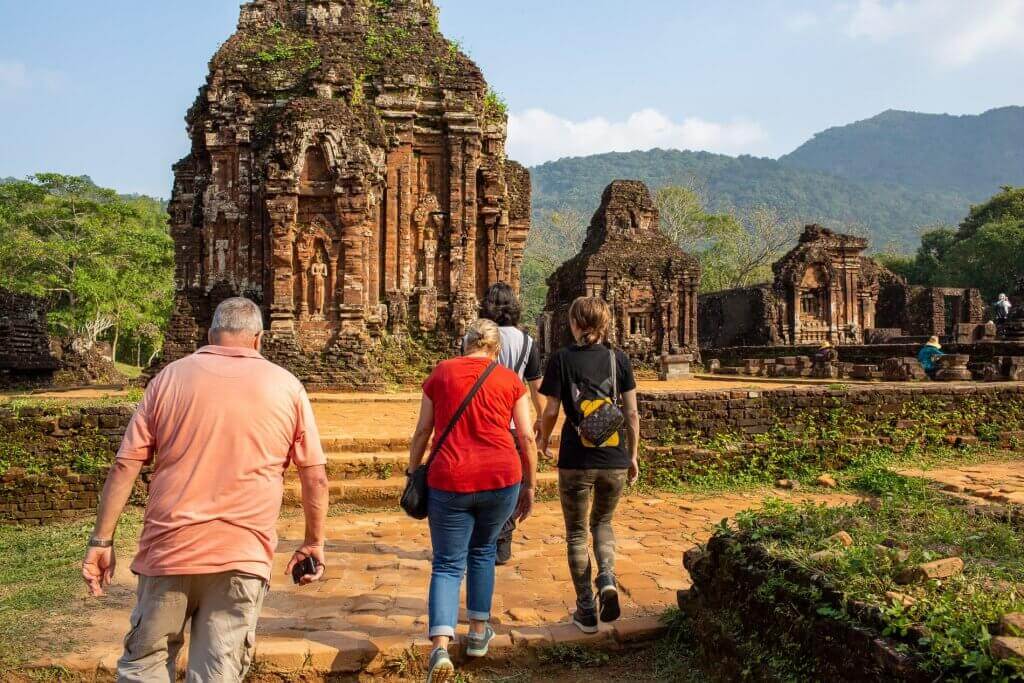
My Son Sanctuary
Located about an hour from Hoi An, My Son Sanctuary was once the religious center of the ancient Champa Kingdom.
Visitors can explore:
- Ancient Hindu temples
- UNESCO archaeological ruins
- Traditional Cham performances
- Jungle surroundings
It is one of Vietnam’s most important historical sites.
Quy Nhon
Quy Nhon remains one of Vietnam’s hidden coastal gems.
Unlike some of the country’s busier beach cities, Quy Nhon offers peaceful beaches, excellent seafood, and a relaxed atmosphere.
Top attractions include:
- Ky Co Beach
- Eo Gio
- Bai Xep Village
- Twin Cham Towers
- Queen’s Beach
It’s an ideal destination for travelers looking to escape the crowds.

Nha Trang
Known as Vietnam’s beach capital, Nha Trang offers crystal-clear water, lively nightlife, and numerous island adventures.
Popular activities include:
- Island hopping
- Snorkeling
- Scuba diving
- Mud baths
- Beach clubs
- Seafood dining
Nha Trang is perfect for travelers looking for a balance between relaxation and entertainment.

Southern Vietnam
Southern Vietnam offers bustling cities, floating markets, tropical islands, colonial architecture, and vibrant nightlife.
Ho Chi Minh City
Vietnam’s largest city is energetic, modern, and full of contrasts.
Top attractions include:
- War Remnants Museum
- Independence Palace
- Notre-Dame Cathedral
- Central Post Office
- Ben Thanh Market
- Nguyen Hue Walking Street
- Bitexco Financial Tower
- Cu Chi Tunnels
The city is also one of Vietnam’s best destinations for food lovers.

Mekong Delta
The Mekong Delta provides visitors with a glimpse into traditional rural Vietnam.
Highlights include:
- Floating markets
- Fruit orchards
- River cruises
- Coconut villages
- Local handicrafts
- Traditional fishing communities
Popular destinations include Can Tho, Ben Tre, My Tho, and Cai Rang Floating Market.

Da Lat
Nestled in Vietnam’s Central Highlands, Da Lat enjoys cool weather all year round.
Popular attractions include:
- Datanla Waterfall
- Crazy House
- Xuan Huong Lake
- Coffee farms
- Flower gardens
- Night Market
Da Lat is a favorite destination for couples and honeymooners.

Phu Quoc
Phu Quoc is Vietnam’s largest island and one of Southeast Asia’s fastest-growing beach destinations.
Visitors can enjoy:
- White-sand beaches
- Luxury resorts
- Snorkeling
- Island-hopping tours
- Sunset cruises
- Fresh seafood
- Night markets
Phu Quoc is the perfect place to end a Vietnam itinerary with a relaxing beach holiday.

Which Region Should You Visit?
| Region | Best For |
|---|---|
| Northern Vietnam | Mountains, UNESCO Sites, trekking, photography, authentic culture |
| Central Vietnam | Beaches, history, scenic drives, UNESCO towns, family vacations |
| Southern Vietnam | Modern cities, tropical islands, river life, nightlife, luxury resorts |
Our Recommendation for First-Time Visitors
If you’re visiting Vietnam for the first time, a combination of Northern and Central Vietnam offers the most balanced experience. A route including Hanoi – Ha Long Bay – Ninh Binh – Hue – Da Nang – Hoi An showcases Vietnam’s rich history, spectacular natural landscapes, world-famous cuisine, and stunning coastline in one unforgettable journey.
For travelers with additional time, extending your trip to Ho Chi Minh City, the Mekong Delta, or Phu Quoc Island provides an even deeper appreciation of Vietnam’s incredible diversity.
To help you plan your itinerary, explore these comprehensive travel resources:
👉 Top 12 Places to Visit in Vietnam (North to South)
https://danangtransfer.vn/en/top-12-places-to-visit-in-vietnam-north-to-south-2026-travel-guide/
👉 Vietnam Travel Map – The Ultimate Guide for Travelers
https://danangtransfer.vn/en/vietnam-travel-map-the-ultimate-guide-for-travelers/
👉 Central Vietnam Travel Guide – Da Nang, Hoi An & Hue Itinerary
https://danangtransfer.vn/en/central-vietnam-travel-guide-the-ultimate-da-nang-hoi-an-hue-itinerary/
No matter where you begin your journey, Vietnam offers an extraordinary mix of ancient heritage, breathtaking landscapes, vibrant cities, warm hospitality, and unforgettable culinary experiences—making it one of Asia’s most rewarding destinations for first-time visitors.
Best Vietnam Itinerary for First-Time Visitors
Planning your first trip to Vietnam can be exciting, but with so many incredible destinations across the country, deciding where to go isn’t always easy. Vietnam stretches from the misty mountains of the north to the tropical beaches of the south, offering an incredible mix of history, culture, nature, cuisine, and modern cities.
The ideal itinerary depends on how much time you have, your travel style, and your interests. Some travelers want to explore ancient cities and UNESCO World Heritage Sites, while others prefer relaxing on beautiful beaches, trekking through mountain villages, or discovering Vietnam’s famous street food scene.

For most first-time visitors, 10 to 14 days offers the perfect balance, allowing you to experience Vietnam’s most iconic destinations without feeling rushed. However, even a well-planned 7-day trip can provide an unforgettable introduction to the country.
If you’re planning your itinerary, don’t miss these detailed travel resources:
👉 How to Plan a 7-Day Trip in Vietnam: Itinerary for First-Timers
https://danangtransfer.vn/en/how-to-plan-a-7-day-trip-in-vietnam-itinerary-for-first-timers/
👉 Central Vietnam Travel Guide: The Ultimate Da Nang – Hoi An – Hue Itinerary
https://danangtransfer.vn/en/central-vietnam-travel-guide-the-ultimate-da-nang-hoi-an-hue-itinerary/
👉 Vietnam Travel Map – The Ultimate Guide for Travelers
https://danangtransfer.vn/en/vietnam-travel-map-the-ultimate-guide-for-travelers/
Below are our recommended itineraries for first-time visitors.
Option 1: 7-Day Central Vietnam Itinerary (Most Relaxing)
Central Vietnam is one of the easiest regions to explore because the major attractions are located close together. This itinerary is perfect for travelers looking for a mix of beaches, culture, history, scenic landscapes, and excellent cuisine without spending too much time on transportation.
Day 1 – Arrive in Da Nang
- Airport transfer to your hotel
- Relax at My Khe Beach
- Visit Dragon Bridge
- Walk along the Han River
- Enjoy fresh seafood for dinner
Day 2 – Da Nang City Tour
Visit:
- Marble Mountains
- Linh Ung Pagoda
- Son Tra Peninsula
- Love Bridge
- Han Market
Optional sunset cruise on the Han River.
Day 3 – Ba Na Hills
Spend a full day exploring:
- Golden Bridge
- Cable Car
- French Village
- Fantasy Park
- Flower Gardens
Return to Da Nang in the evening.
Day 4 – Hoi An Ancient Town
Explore:
- Japanese Covered Bridge
- Ancient houses
- Local cafés
- Tailor shops
- Lantern Boat Ride
- Night Market
Stay overnight in Hoi An if possible.
Day 5 – Coconut Forest & An Bang Beach
Morning:
- Basket Boat Experience
- Coconut Forest
Afternoon:
- Relax at An Bang Beach
- Cooking Class
- Vietnamese Coffee Workshop
Day 6 – Hue Imperial City
Travel through the spectacular Hai Van Pass before arriving in Hue.
Visit:
- Imperial Citadel
- Thien Mu Pagoda
- Royal Tombs
- Perfume River
Return to Da Nang or stay overnight in Hue.
Day 7 – Departure
Enjoy breakfast before transferring to Da Nang International Airport.
This itinerary offers the perfect combination of history, beaches, UNESCO World Heritage Sites, mountain scenery, and local cuisine.
Option 2: 10-Day Vietnam Highlights
This itinerary combines Northern and Central Vietnam and is one of the most popular choices for first-time travelers.
Day 1–2: Hanoi
Explore:
- Old Quarter
- Hoan Kiem Lake
- Temple of Literature
- Train Street
- Street Food Tour
Day 3–4: Ha Long Bay
- Overnight Cruise
- Kayaking
- Cave Exploration
- Sunset on Deck
Day 5: Ninh Binh
Visit:
- Trang An
- Mua Cave
- Hoa Lu Ancient Capital
Evening flight to Da Nang.
Day 6–7: Da Nang
- Marble Mountains
- Son Tra Peninsula
- Dragon Bridge
- My Khe Beach
Day 8: Ba Na Hills
Spend the day exploring the famous Golden Bridge and mountain resort.
Day 9: Hoi An
Discover:
- Ancient Town
- Lantern Boat Ride
- Japanese Bridge
- Local Markets
- Riverside Cafés
Day 10: Departure
Transfer to Da Nang Airport for your onward journey.
This route combines Vietnam’s most famous natural attractions, UNESCO sites, beaches, and cultural experiences into one unforgettable trip.
Option 3: 14-Day Classic Vietnam Journey
If you have two weeks, you can experience Vietnam from north to south at a comfortable pace.
Suggested route:
- Hanoi (2 Days)
- Sapa (2 Days)
- Ha Long Bay (2 Days)
- Ninh Binh (1 Day)
- Hue (1 Day)
- Da Nang (2 Days)
- Hoi An (2 Days)
- Ho Chi Minh City (2 Days)
Highlights include:
- Mountain rice terraces
- UNESCO heritage sites
- Ancient capitals
- Beautiful beaches
- Bustling modern cities
- Incredible food experiences
This is widely considered the ideal itinerary for first-time visitors.
Option 4: 3-Week Ultimate Vietnam Adventure
With three weeks, you’ll have time to discover both Vietnam’s famous landmarks and some of its hidden gems.
Suggested itinerary:
- Hanoi
- Ha Giang Loop
- Sapa
- Ninh Binh
- Ha Long Bay
- Phong Nha National Park
- Hue
- Da Nang
- Hoi An
- Quy Nhon
- Nha Trang
- Da Lat
- Ho Chi Minh City
- Mekong Delta
- Phu Quoc
This itinerary combines adventure, beaches, culture, nature, history, and authentic local experiences.
Which Itinerary Is Right for You?
| Trip Length | Recommended Route | Best For |
|---|---|---|
| 7 Days | Da Nang – Hoi An – Hue | Families, beach lovers, first-time visitors |
| 10 Days | Hanoi – Ha Long – Ninh Binh – Da Nang – Hoi An | Most popular first-time itinerary |
| 14 Days | North + Central + Ho Chi Minh City | Travelers wanting a complete introduction to Vietnam |
| 21 Days | Full North-to-South Journey | Adventure travelers and slow travel enthusiasts |
Our Recommended Itinerary
For most first-time visitors, we recommend the 10-day itinerary covering Hanoi, Ha Long Bay, Ninh Binh, Da Nang, Ba Na Hills, Hoi An, and Hue. It offers the perfect balance of natural beauty, cultural heritage, local cuisine, beaches, and iconic attractions while keeping travel time manageable.
If you have 14 days or more, extending your journey to Ho Chi Minh City, the Mekong Delta, or Phu Quoc Island will give you a deeper appreciation of Vietnam’s incredible diversity.
Before finalizing your itinerary, explore these comprehensive planning guides:
👉 How to Plan a 7-Day Trip in Vietnam
https://danangtransfer.vn/en/how-to-plan-a-7-day-trip-in-vietnam-itinerary-for-first-timers/
👉 Central Vietnam Travel Guide
https://danangtransfer.vn/en/central-vietnam-travel-guide-the-ultimate-da-nang-hoi-an-hue-itinerary/
👉 Vietnam Travel Map – The Ultimate Guide for Travelers
https://danangtransfer.vn/en/vietnam-travel-map-the-ultimate-guide-for-travelers/
No matter which itinerary you choose, Vietnam promises an unforgettable journey filled with breathtaking landscapes, welcoming people, fascinating history, vibrant cities, world-famous cuisine, and memories that will last a lifetime.
Transportation in Vietnam
One of the biggest concerns for first-time visitors is how to get around Vietnam safely, comfortably, and efficiently. Fortunately, Vietnam offers a wide variety of transportation options suitable for every budget and travel style, from affordable buses and domestic flights to luxury chauffeur services and private airport transfers.
Whether you’re planning to explore the bustling streets of Hanoi, travel along the spectacular Hai Van Pass between Da Nang and Hue, relax in Hoi An, or discover hidden beaches in Quy Nhon, choosing the right transportation can make your trip significantly more enjoyable.

If you’re new to Vietnam, we highly recommend starting with our comprehensive transportation guide:
👉 Vietnam Transportation Guide 2026 – Best Ways to Travel Safely and Comfortably
https://danangtransfer.vn/en/vietnam-transportation-guide-2026-best-ways-to-travel-safely-and-comfortably/
You can also use our Vietnam Travel Map to better understand travel distances, airport locations, and recommended routes:
👉 https://danangtransfer.vn/en/vietnam-travel-map-the-ultimate-guide-for-travelers/
Domestic Flights
Because Vietnam stretches over 1,650 km (1,025 miles) from north to south, domestic flights are often the fastest and most convenient way to travel between regions.
Major airlines include:
- Vietnam Airlines
- VietJet Air
- Bamboo Airways
- Vietravel Airlines
Popular flight routes include:
- Hanoi → Da Nang
- Hanoi → Ho Chi Minh City
- Da Nang → Ho Chi Minh City
- Ho Chi Minh City → Phu Quoc
- Hanoi → Nha Trang
Most flights take between 1 and 2 hours, making them ideal for travelers with limited vacation time.
Vietnam’s Railway Network
Vietnam’s Reunification Express connects the country from Hanoi to Ho Chi Minh City, offering one of Southeast Asia’s most scenic rail journeys.
Popular train routes include:
- Da Nang → Hue
- Hanoi → Ninh Binh
- Hanoi → Lao Cai (Sapa)
- Da Nang → Nha Trang
- Ho Chi Minh City → Nha Trang
The Da Nang to Hue train is especially famous for its spectacular coastal views as it crosses the Hai Van Pass.
Train travel is ideal for travelers who prefer a slower pace and beautiful scenery.
Sleeper Buses
Vietnam has an extensive network of sleeper buses connecting almost every province.
Advantages include:
- Affordable prices
- Overnight travel
- Wide route network
- Frequent departures
However, sleeper buses may not be the best option for:
- Families with young children
- Senior travelers
- Travelers carrying large luggage
- Those seeking maximum comfort
Grab and Local Taxis
Ride-hailing services are widely available in Vietnam’s major cities.
Popular options include:
- Grab
- Xanh SM (electric taxis)
- Traditional taxis
Grab is convenient for:
- Short city rides
- Airport to nearby hotels
- Restaurant hopping
- Shopping trips
However, for longer sightseeing routes or multiple destinations, a private car often provides better value and flexibility.
Renting a Car in Vietnam
Many travelers wonder whether they should rent a car during their trip.
Before making a decision, read these helpful guides:
👉 Is It Worth Renting a Car in Vietnam?
https://danangtransfer.vn/en/is-it-worth-renting-a-car-in-vietnam-a-complete-travel-guide/
👉 Can Foreigners Rent a Car in Vietnam?
https://danangtransfer.vn/en/can-foreigners-rent-a-car-in-vietnam-complete-guide-for-travelers/
👉 Self-Drive vs Car Rental with Driver
https://danangtransfer.vn/en/self-drive-vs-car-rental-with-driver-in-vietnam-pros-cons/
Although self-driving is technically possible for some visitors under certain conditions, many international travelers find that driving in Vietnam can be challenging due to unfamiliar traffic rules, heavy motorbike traffic, and local road conditions.
For this reason, hiring a car with a professional driver is often the safer and more relaxing option.
Private Car with Driver – The Most Comfortable Way to Travel
For families, couples, senior travelers, photographers, business travelers, and anyone looking for a stress-free journey, private car services with professional drivers have become one of the most popular transportation options in Vietnam.

Unlike taxis or buses, private cars provide:
- Door-to-door service
- Flexible departure times
- English-speaking support
- Comfortable air-conditioned vehicles
- Scenic sightseeing stops
- Space for luggage
- Greater privacy
- Fixed pricing without surge fares
Private transportation is especially useful for routes such as:
- Da Nang ↔ Hoi An
- Da Nang ↔ Hue
- Hanoi ↔ Ninh Binh
- Ho Chi Minh City ↔ Mekong Delta
- Quy Nhon ↔ Phu Yen
- Nha Trang ↔ Da Lat
If you’re looking for professional chauffeur services, these guides may help:
👉 Private Driver Vietnam – English Speaking Driver & Car Service
https://danangtransfer.vn/en/private-driver-vietnam-hire-english-speaking-driver-car-service/
👉 Vietnam Chauffeur Service for International Travelers
https://danangtransfer.vn/en/vietnam-chauffeur-service-for-international-travelers-private-car/
👉 Why Foreign Tourists Prefer Private Cars in Vietnam
https://danangtransfer.vn/en/why-foreign-tourists-prefer-private-cars-in-vietnam/
👉 Vietnam Family Travel by Private Car
https://danangtransfer.vn/en/vietnam-family-travel-by-private-car-safe-comfortable-family-transportation/
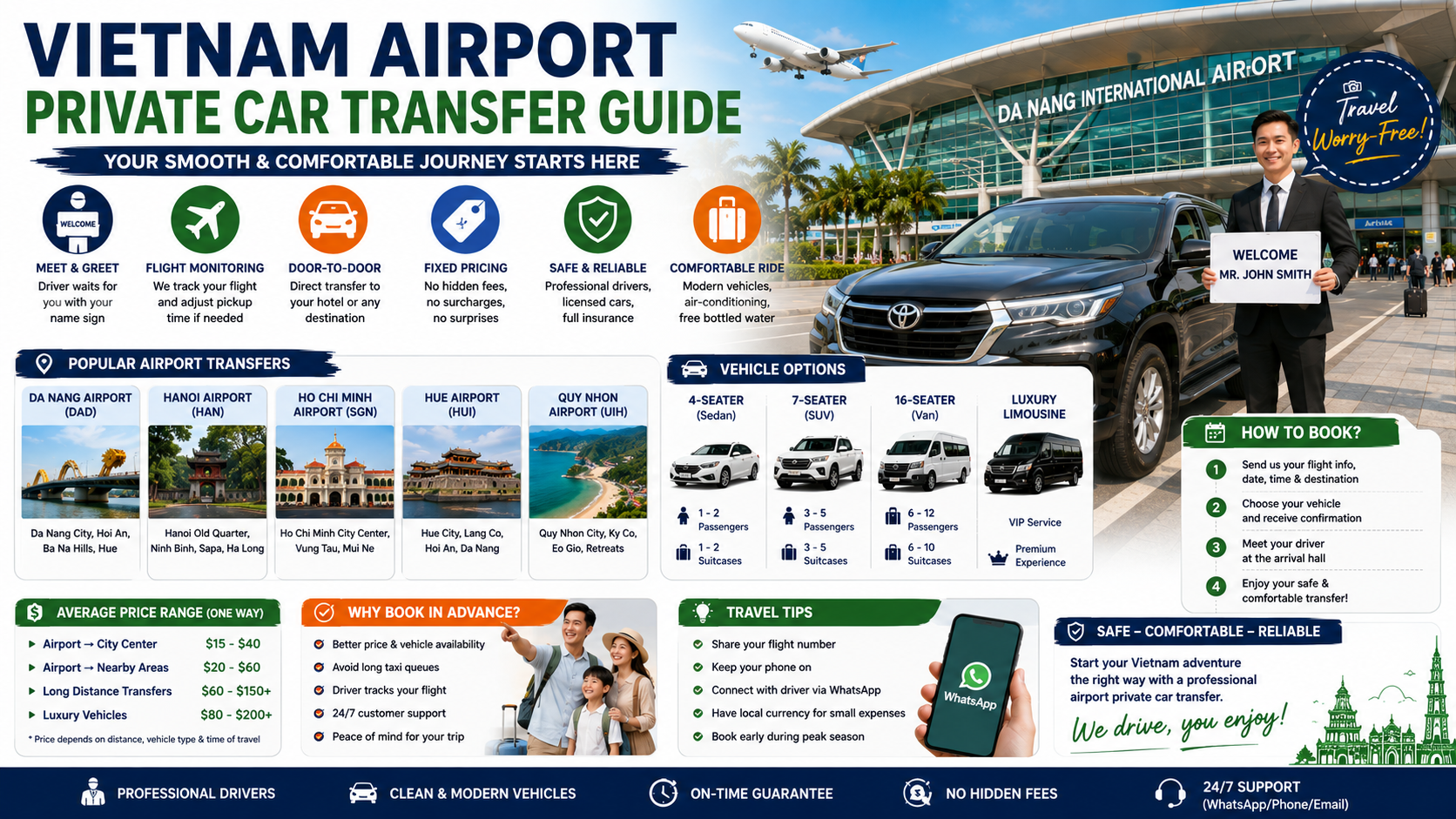
Airport Transfers
After a long international flight, most travelers prefer booking airport transportation in advance instead of searching for taxis upon arrival.
Private airport transfers offer:
- Meet-and-greet service
- Flight tracking
- Fixed prices
- Professional drivers
- Comfortable vehicles
- No waiting in taxi queues
Learn more:
👉 Vietnam Airport Private Car Transfer Guide
https://danangtransfer.vn/en/vietnam-airport-private-car-transfer-guide-complete-airport-transportation-guide/
Popular Airport Transfer Services
Da Nang International Airport
https://danangtransfer.vn/en/danang-private-car/da-nang-airport-transportation/
Hue – Phu Bai Airport
Cam Ranh Airport (Nha Trang)
https://danangtransfer.vn/en/nha-trang-private-car/cam-ranh-airport-private-car-transfer/
Phu Cat Airport (Quy Nhon)
Noi Bai Airport (Hanoi)
https://danangtransfer.vn/en/ha-noi-private-car-transfer/noi-bai-airport-pick-up-transfers-service/
Tan Son Nhat Airport (Ho Chi Minh City)
Cruise Port Transportation
Vietnam is becoming increasingly popular with international cruise passengers.
If you’re arriving by cruise ship, private transportation is the most convenient way to explore nearby attractions.
Popular cruise ports include:
Tien Sa Port (Da Nang)
https://danangtransfer.vn/en/tien-sa-port-transportation/
Chan May Port (Hue)
https://danangtransfer.vn/en/chan-may-port-transportation/
Private Car Services Across Vietnam
Professional chauffeur services are available throughout the country.
Explore regional services:
- Da Nang Private Car
https://danangtransfer.vn/en/danang-private-car/ - Hue Private Car
https://danangtransfer.vn/en/hue-private-car/ - Hoi An Private Car
https://danangtransfer.vn/en/hoian-private-car/ - Hanoi Private Car
https://danangtransfer.vn/en/ha-noi-private-car-transfer/ - Ho Chi Minh City Private Car
https://danangtransfer.vn/en/ho-chi-minh-private-car/ - Quy Nhon Private Car
https://danangtransfer.vn/en/quy-nhon-private-car/ - Nha Trang Private Car
https://danangtransfer.vn/en/nha-trang-private-car/
How Much Does Transportation Cost?
Transportation costs vary depending on distance, vehicle type, and travel style.
Helpful guides include:
👉 Vietnam Private Car Prices
https://danangtransfer.vn/en/vietnam-private-car-prices-what-to-expect-and-how-to-save-money/
👉 Vietnam Car Rental Price Guide
https://danangtransfer.vn/en/vietnam-car-rental-price-complete-guide-for-smart-travelers/
👉 How Much Does Car Rental Cost Per Day?
https://danangtransfer.vn/en/how-much-does-car-rental-in-vietnam-cost-per-day/
👉 Tips to Save Money on Car Rental
https://danangtransfer.vn/en/tips-to-save-money-on-da-nang-car-rental/
Taxi, Grab, or Private Car?
Many travelers ask which option offers the best value.
The answer depends on your itinerary.
| Transportation | Best For |
|---|---|
| Grab | Short city trips |
| Taxi | Quick local rides |
| Domestic Flights | Long-distance travel |
| Train | Scenic journeys |
| Sleeper Bus | Budget travelers |
| Private Car with Driver | Families, sightseeing, airport transfers, long-distance travel |
For a complete comparison, read:
👉 Vietnam Car Rental vs Taxi vs Grab
https://danangtransfer.vn/en/vietnam-car-rental-vs-taxi-grab-which-is-better/
Helpful Travel Tips
Transportation is only one part of planning your Vietnam adventure. These additional guides can help you enjoy a smoother and more authentic experience:
👉 10 Things to Do in Da Nang
https://danangtransfer.vn/en/10-things-to-do-in-da-nang-a-locals-guide-for-first-timers/
👉 Essential Vietnamese Greetings
https://danangtransfer.vn/en/how-to-say-hello-thank-you-in-vietnam-essential-vietnamese-greetings-for-travelers/
👉 How Much Should You Tip in Vietnam?
https://danangtransfer.vn/en/how-much-should-you-tip-in-vietnam-the-2026-travelers-guide/
👉 Best Da Nang Airport Taxi Cost
https://danangtransfer.vn/en/how-to-get-the-best-da-nang-airport-taxi-cost-without-sacrificing-comfort/
Our Recommendation
For most international visitors—especially families, couples, senior travelers, photographers, and first-time tourists—the best combination is domestic flights for long-distance travel and private cars with professional drivers for regional transfers and sightseeing.
This approach minimizes travel stress, maximizes comfort, and allows you to explore Vietnam at your own pace while enjoying scenic routes, local attractions, and hidden gems that are often inaccessible by public transportation.
If you’re planning your first trip to Vietnam, booking your airport transfers and private transportation in advance will help ensure a smooth, safe, and memorable journey from the moment you arrive.
Vietnam Travel Budget

One of the greatest highlights of visiting Vietnam is undoubtedly its extraordinary cuisine. Vietnamese food is celebrated around the world for its fresh ingredients, vibrant flavors, healthy cooking techniques, and incredible regional diversity. In fact, many travelers say the food alone is worth the journey.
Unlike many other cuisines, Vietnamese cooking focuses on balance. Sweet, sour, salty, spicy, and umami flavors are carefully combined with fresh herbs, vegetables, aromatic spices, and high-quality local ingredients. Every meal is designed to be light, nutritious, and full of flavor.

From bustling street food stalls and family-run restaurants to Michelin-recognized dining experiences, food is deeply woven into everyday life in Vietnam. Whether you’re enjoying a simple bowl of noodles on a plastic stool by the roadside or dining in a luxury restaurant overlooking the Han River, you’ll discover why Vietnam has become one of the world’s top culinary destinations.
For first-time visitors, trying local dishes is one of the best ways to experience Vietnamese culture.
Why Vietnamese Food Is So Special
Vietnamese cuisine stands out because it combines centuries of cultural influences with local traditions and fresh seasonal ingredients.
Some characteristics that make Vietnamese food unique include:
- Fresh herbs in almost every meal
- Light and healthy cooking methods
- Minimal use of dairy products
- Delicious broths that simmer for hours
- Excellent seafood along the coastline
- Regional recipes passed down through generations
- Incredible variety from north to south
- Affordable prices, even for high-quality meals
Many dishes are naturally gluten-free, and vegetarian options are widely available, making Vietnam an excellent destination for travelers with different dietary preferences.

Regional Differences in Vietnamese Cuisine
Vietnam’s food changes dramatically from one region to another. Understanding these regional styles helps visitors appreciate the country’s culinary diversity.
Northern Vietnam Cuisine
Northern dishes are known for their delicate, balanced flavors and subtle seasoning.
Popular specialties include:
- Pho Bo (Beef Noodle Soup)
- Bun Cha
- Cha Ca La Vong
- Banh Cuon
- Egg Coffee
- Sticky Rice (Xoi)
The cuisine reflects Hanoi’s long history and traditional cooking techniques.
Central Vietnam Cuisine
Central Vietnam is famous for bold flavors, spicy dishes, and royal cuisine originating from the former imperial capital of Hue.
Must-try dishes include:
- Bun Bo Hue
- Cao Lau
- Mi Quang
- Banh Beo
- Banh Nam
- Banh Bot Loc
- Nem Lui
- Com Hen
This region is also considered one of Vietnam’s culinary capitals.
Southern Vietnam Cuisine
Southern food tends to be sweeter and more influenced by tropical fruits and coconut milk.
Popular dishes include:
- Com Tam
- Hu Tieu
- Banh Xeo
- Fresh Spring Rolls
- Caramelized Fish
- Seafood Hotpot
The Mekong Delta is especially famous for fresh produce, tropical fruits, and river fish.
Must-Try Vietnamese Dishes
Pho
Pho is Vietnam’s national dish and one of the world’s most famous noodle soups.
A rich, slow-cooked broth is served with rice noodles, tender beef or chicken, fresh herbs, bean sprouts, lime, and chili.
Pho is commonly eaten for breakfast, but it’s available throughout the day.
Average price:
40,000–80,000 VND
Banh Mi
Introduced during the French colonial period, Banh Mi has become one of Vietnam’s most iconic street foods.
A crispy baguette is filled with ingredients such as:
- Grilled pork
- Chicken
- Beef
- Vietnamese ham
- Pâté
- Pickled vegetables
- Fresh herbs
- Chili sauce
- Mayonnaise
It’s quick, delicious, and perfect for travelers on the go.
Average price:
20,000–50,000 VND
Bun Cha
Originating in Hanoi, Bun Cha consists of grilled pork served with rice noodles, fresh herbs, and a flavorful dipping sauce.
The dish gained worldwide attention after former U.S. President Barack Obama famously enjoyed Bun Cha during his visit to Hanoi.
Average price:
50,000–80,000 VND
Bun Bo Hue
This spicy beef noodle soup from Hue is richer, spicier, and more aromatic than Pho.
Its broth contains lemongrass, shrimp paste, chili oil, and slow-cooked beef bones, creating an unforgettable flavor.
Average price:
50,000–90,000 VND
Mi Quang
A signature dish from Da Nang and Quang Nam Province.
Unlike noodle soups, Mi Quang contains only a small amount of broth.
Ingredients include:
- Turmeric noodles
- Pork
- Shrimp
- Chicken
- Quail eggs
- Roasted peanuts
- Fresh herbs
- Crispy rice crackers
It’s one of the must-try dishes when visiting Central Vietnam.
Cao Lau
Found almost exclusively in Hoi An, Cao Lau combines thick noodles, roasted pork, fresh herbs, crispy croutons, and a rich savory sauce.
Traditional Cao Lau noodles are said to be made using water from ancient wells in Hoi An, making the dish unique to the city.
Com Tam (Broken Rice)
A Southern Vietnamese favorite, Com Tam features fragrant broken rice served with:
- Grilled pork chop
- Fried egg
- Shredded pork skin
- Pickled vegetables
- Fish sauce
It’s one of the most popular lunch dishes in Ho Chi Minh City.
Banh Xeo
Banh Xeo is a crispy Vietnamese savory pancake made with rice flour, turmeric, and coconut milk.
It is filled with:
- Shrimp
- Pork
- Bean sprouts
- Green onions
The pancake is wrapped in fresh lettuce with herbs before being dipped into fish sauce.
Goi Cuon (Fresh Spring Rolls)
Healthy and refreshing, Goi Cuon contains:
- Shrimp
- Pork
- Rice noodles
- Fresh herbs
- Lettuce
Served with peanut sauce or fish sauce, these fresh rolls are a perfect appetizer.
Cha Gio (Fried Spring Rolls)
Unlike fresh spring rolls, Cha Gio are crispy, deep-fried rolls filled with minced pork, vegetables, mushrooms, and glass noodles.
They are especially popular during family celebrations and holidays.
Seafood in Vietnam
With over 3,200 kilometers of coastline, Vietnam offers some of Asia’s freshest seafood.
Popular choices include:
- Lobster
- Crab
- Squid
- Clams
- Oysters
- Prawns
- Scallops
- Sea snails
The best seafood destinations include:
- Da Nang
- Nha Trang
- Quy Nhon
- Phu Quoc
- Vung Tau
Many restaurants allow customers to choose live seafood directly from aquariums.
Vietnamese Coffee Culture
Vietnam is the world’s second-largest coffee producer, and coffee culture is an essential part of daily life.
Popular drinks include:
Ca Phe Sua Da
Vietnamese iced coffee with condensed milk.
Egg Coffee
A Hanoi specialty made from whipped egg yolk, sugar, and strong Vietnamese coffee.
Coconut Coffee
Especially popular in Da Nang and Hanoi, this refreshing drink combines coffee with frozen coconut cream.
Salt Coffee
Originally from Hue, Salt Coffee has become increasingly popular throughout Vietnam thanks to its creamy, slightly salty flavor.
Tropical Fruits You Should Try
Vietnam’s tropical climate produces a wide variety of delicious fruits.
Popular options include:
- Mango
- Dragon Fruit
- Mangosteen
- Rambutan
- Durian
- Jackfruit
- Lychee
- Longan
- Passion Fruit
- Pomelo
- Star Apple
Fresh fruit is available year-round in local markets across the country.
Vegetarian Food in Vietnam
Vegetarian dining is surprisingly easy in Vietnam due to the country’s strong Buddhist traditions.
Look for restaurants displaying the word:
“Chay”
Popular vegetarian dishes include:
- Vegetarian Pho
- Vegetarian Banh Mi
- Tofu Clay Pot
- Stir-fried Morning Glory
- Fried Rice
- Fresh Spring Rolls
Many Buddhist restaurants offer buffet lunches at very reasonable prices.
Street Food Tips
Street food is one of the best ways to experience authentic Vietnamese culture.
To enjoy it safely:
- Choose busy stalls with high customer turnover.
- Watch food being prepared.
- Eat freshly cooked meals.
- Drink bottled or filtered water.
- Avoid uncooked seafood.
- Bring cash, as many vendors don’t accept cards.
Street food is generally inexpensive, delicious, and an essential part of any Vietnam itinerary.
Must-Try Drinks
Besides coffee, don’t miss:
- Fresh Sugar Cane Juice
- Lime Juice
- Passion Fruit Juice
- Fresh Coconut
- Avocado Smoothie
- Lotus Tea
- Artichoke Tea
- Vietnamese Craft Beer
These refreshing drinks are widely available throughout the country.
Food Costs in Vietnam
Vietnam is one of the most affordable destinations in the world for food lovers.
| Meal Type | Average Price |
|---|---|
| Street Food | $1–3 USD |
| Local Restaurant | $3–8 USD |
| Casual Café | $2–6 USD |
| Seafood Restaurant | $10–30 USD |
| Fine Dining | $30–100+ USD |
Even luxury dining experiences in Vietnam are often significantly less expensive than in Europe, North America, or Australia.
Food Etiquette in Vietnam
Understanding a few dining customs will enhance your experience:
- Wait for the eldest person to begin eating.
- Use serving chopsticks when available.
- Don’t stick chopsticks upright in a bowl of rice.
- Share dishes with everyone at the table.
- Try a little of every dish when dining with locals.
- Say “Cảm ơn” (Thank you) after the meal.
Vietnamese meals are highly social, and sharing food is an important part of the culture.
Our Recommendation
Don’t limit yourself to restaurants recommended by travel guides. Some of Vietnam’s most memorable meals are found in small family-run eateries, lively street markets, and hidden neighborhood cafés where recipes have been perfected over generations.
For first-time visitors, make it a goal to try Pho in Hanoi, Bun Bo Hue in Hue, Mi Quang in Da Nang, Cao Lau in Hoi An, Com Tam in Ho Chi Minh City, and fresh seafood along Vietnam’s beautiful coastline. Together, these dishes tell the story of Vietnam’s rich culinary heritage and are an unforgettable part of any journey through the country.
Whether you’re a passionate foodie or simply curious about local flavors, Vietnamese cuisine is sure to become one of the highlights of your trip.
What to Pack for Vietnam