English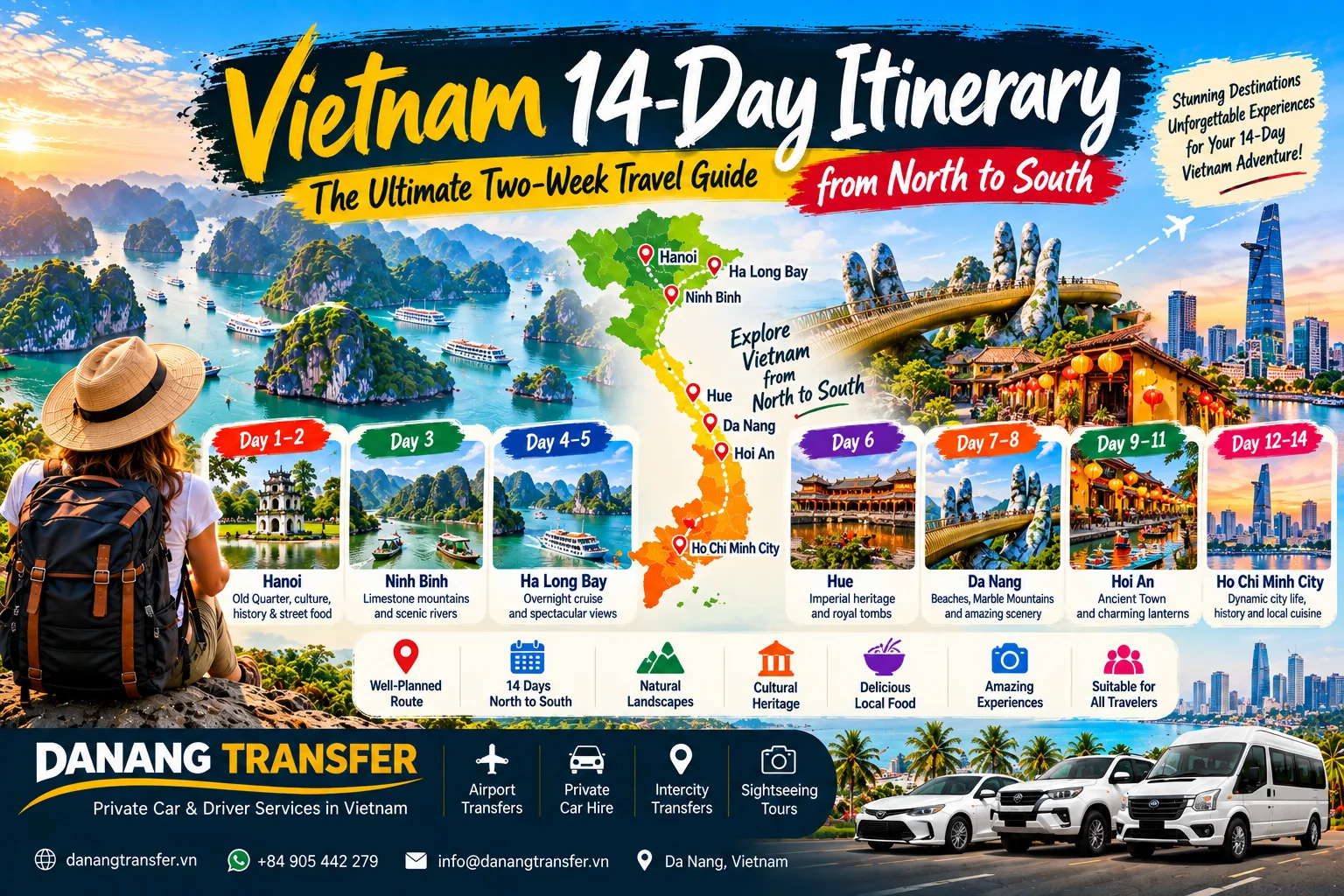
Planning a trip to Vietnam but only have two weeks? A well-organized Vietnam 14-day itinerary allows you to experience the country’s spectacular natural landscapes, fascinating history, vibrant cities, beautiful beaches, and delicious cuisine without spending your entire vacation traveling between destinations.

From the charming streets of Hanoi and the magnificent limestone mountains of Ninh Binh to the imperial heritage of Hue, the lantern-lit Ancient Town of Hoi An, and the energetic atmosphere of Ho Chi Minh City, Vietnam offers an incredible variety of travel experiences.
Fourteen days provide enough time to explore several of the country’s most famous destinations while enjoying a combination of cultural sightseeing, outdoor adventures, local cuisine, and relaxation.
However, Vietnam stretches more than 1,600 kilometers from north to south. Choosing the right route and transportation is essential to making the most of your journey.

This comprehensive Vietnam 2-week itinerary provides a practical day-by-day travel plan, including recommended attractions, transportation options, estimated travel expenses, accommodation advice, and useful tips for first-time visitors.
Whether you’re traveling as a couple, exploring with friends, planning a family vacation, or visiting Vietnam independently, this itinerary will help you organize a memorable adventure.
For additional travel planning advice, explore our Ultimate Vietnam Travel Guide for First-Time Visitors.
1. Vietnam 14-Day Itinerary Overview
For first-time visitors, traveling from northern Vietnam to southern Vietnam is a convenient way to experience the country’s geographical and cultural diversity.
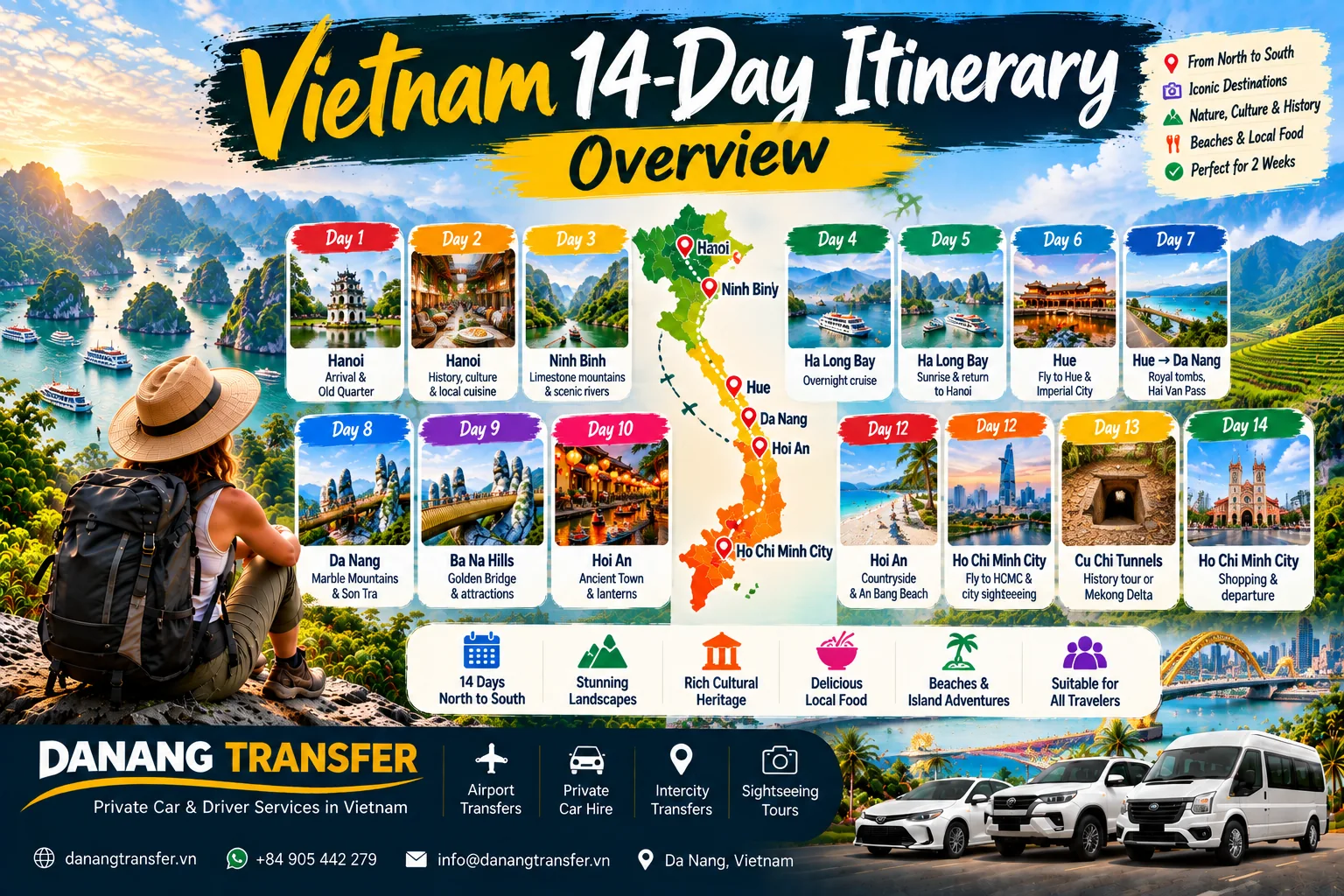
Explore Vietnam in 14 days with our complete itinerary from North to South, featuring breathtaking landscapes, cultural heritage, beautiful beaches and unforgettable experiences.
This itinerary begins in Hanoi and finishes in Ho Chi Minh City, allowing travelers to explore northern landscapes, Central Vietnam’s historical attractions, and southern urban culture.
Your 14-Day Vietnam Travel Route North to South
| Day | Destination and highlights |
| 1 | Hanoi — Arrival and Old Quarter |
| 2 | Hanoi — Historical attractions and street food |
| 3 | Ninh Binh — Trang An and Hang Mua |
| 4 | Ha Long Bay — Cruise and limestone islands |
| 5 | Ha Long Bay → Hanoi — Morning cruise and return |
| 6 | Hue — Flight to Central Vietnam and Imperial City |
| 7 | Hue → Da Nang — Royal tombs, Lang Co and Hai Van Pass |
| 8 | Da Nang — Marble Mountains and Son Tra |
| 9 | Ba Na Hills — Golden Bridge and mountain attractions |
| 10 | Hoi An — Ancient Town and lanterns |
| 11 | Hoi An — Countryside and An Bang Beach |
| 12 | Ho Chi Minh City — Flight and city sightseeing |
| 13 | Ho Chi Minh City — Cu Chi Tunnels or Mekong Delta |
| 14 | Departure — Shopping and airport transfer |
This itinerary includes three nights in Hanoi, one night on Ha Long Bay, two nights in Hue, three nights in Da Nang, two nights in Hoi An, and two nights in Ho Chi Minh City. Day 3 is a return day trip to Ninh Binh from Hanoi.
The route combines flights with scenic road journeys. Travelers who prefer a slower vacation can skip one destination and spend additional time in their favorite region.
2. Day 1: Arrive in Hanoi and Explore the Old Quarter
Your Vietnam adventure begins in Hanoi, the country’s historic capital and one of Southeast Asia’s most fascinating cities.

After arriving at Noi Bai International Airport, transfer to your hotel in the Old Quarter or near Hoan Kiem Lake.
The journey from the airport to central Hanoi generally takes approximately 40–60 minutes, depending on traffic.
After checking in, spend the afternoon exploring the Old Quarter, where traditional architecture, bustling markets, local cafés, and street-food stalls create an unforgettable atmosphere.
Recommended activities
-
Explore Hanoi’s historic Old Quarter.
-
Walk around Hoan Kiem Lake.
-
Visit Ngoc Son Temple.
-
Discover traditional Vietnamese coffee.
-
Enjoy authentic street food at local restaurants.
-
Experience the lively evening atmosphere around the Old Quarter.
For dinner, try traditional Hanoi specialties such as pho, bun cha, and banh mi.
If you arrive late in the evening, consider keeping your first day relaxed and saving major sightseeing activities for the following morning.
Overnight: Hanoi.
Transportation tip: Arrange your Noi Bai Airport Private Car Transfer in advance for a convenient journey directly to your accommodation.
3. Day 2: Discover Hanoi’s History, Culture and Local Cuisine
Spend your second day discovering Hanoi’s fascinating history and traditional culture.

Start your morning at the Ho Chi Minh Mausoleum complex, an important historical landmark surrounded by beautiful gardens and significant government buildings.
Continue to the Temple of Literature, Vietnam’s first national university, established in the 11th century.
The peaceful courtyards, traditional architecture, and historical significance make it one of Hanoi’s most interesting cultural attractions.
Suggested sightseeing itinerary
8:00 AM – Ho Chi Minh Mausoleum Complex
Explore the surrounding historical attractions. Check opening schedules in advance, as access to the mausoleum is restricted on certain days and during maintenance periods.
10:00 AM – Temple of Literature
Discover Vietnam’s educational heritage and admire the traditional architecture.
12:00 PM – Traditional Vietnamese lunch
Enjoy bun cha, pho, or another local specialty.
2:00 PM – Hoa Lo Prison Historical Site
Learn about an important chapter of Vietnam’s modern history.
4:00 PM – Hoan Kiem Lake and the Old Quarter
Spend the late afternoon exploring local markets, traditional shops, and historic streets.
Evening – Water Puppet Show
Consider attending a traditional Vietnamese water puppet performance.
This unique cultural experience offers an entertaining introduction to Vietnamese folklore and traditional performing arts.
Overnight: Hanoi.
4. Day 3: Ninh Binh – Limestone Mountains, Rivers and Ancient Temples
Leave Hanoi early for a day trip to Ninh Binh, one of northern Vietnam’s most spectacular natural destinations.
Often described as Ha Long Bay on land, Ninh Binh is famous for its towering limestone mountains, peaceful rivers, traditional villages, and beautiful countryside.

The journey from Hanoi generally takes approximately two hours, depending on your destination and traffic.
Morning: Explore Trang An
Begin with a traditional boat trip through the Trang An Landscape Complex, a UNESCO World Heritage Site.
The boat journey takes visitors through peaceful waterways, spectacular limestone formations, natural caves, and beautiful mountain scenery.
Allow approximately two to three hours for the experience, depending on the selected route.
Afternoon: Hang Mua Viewpoint
After lunch, visit Hang Mua, one of Ninh Binh’s most famous viewpoints.
Climbing approximately 500 stone steps rewards visitors with panoramic views of the surrounding mountains, rivers, and rice fields.
The climb can be challenging in hot or humid weather, so bring drinking water and comfortable walking shoes.
Travelers who prefer a less physically demanding experience can spend additional time exploring the surrounding countryside.
Optional: Hoa Lu Ancient Capital
If time permits, visit Hoa Lu, Vietnam’s ancient capital during the Dinh and Early Le dynasties.
Return to Hanoi in the late afternoon or early evening.
Overnight: Hanoi.
Travel tip: A private car with a driver allows you to adjust your sightseeing schedule and avoid depending on fixed group-tour departure times.
5. Day 4: Ha Long Bay – An Unforgettable Overnight Cruise
Ha Long Bay is one of Vietnam’s most recognizable natural attractions and a highlight of many first-time travel itineraries.

Famous for its emerald waters and thousands of limestone islands, the bay offers spectacular scenery and numerous opportunities for outdoor activities.
Depart Hanoi in the morning for the journey to Ha Long Bay.
Travel time generally ranges from approximately 2.5 to 3.5 hours, depending on your departure location, transportation route, and cruise terminal.
Recommended activities
After arriving at the cruise terminal, board your overnight cruise and enjoy lunch while sailing through the bay.
Depending on your cruise itinerary, afternoon activities may include kayaking, visiting limestone caves, exploring scenic viewpoints, or swimming in designated areas.
In the evening, enjoy dinner onboard while surrounded by the spectacular scenery of Ha Long Bay.
Some cruises also offer cooking demonstrations, fishing activities, and evening entertainment.
Overnight: Ha Long Bay cruise.
Travel tip: Book your cruise in advance, particularly during peak tourist periods. Cruise schedules and outdoor activities may change due to weather conditions.
6. Day 5: Ha Long Bay Sunrise and Return to Hanoi
Wake up early to experience the peaceful morning atmosphere of Ha Long Bay.
Many cruises offer sunrise activities such as tai chi sessions on the sundeck, followed by breakfast.

Depending on the itinerary, you may have time to visit another attraction or enjoy a short excursion before returning to the cruise terminal.
Most overnight cruises finish around late morning.
After disembarking, travel back to Hanoi.
Spend your final evening in the capital enjoying local cuisine, shopping for souvenirs, or relaxing before your journey to Central Vietnam.
Overnight: Hanoi.
Travel tip: Avoid scheduling a tightly timed domestic flight immediately after your cruise. Weather changes, cruise schedules, and road traffic can affect your arrival time.
7. Day 6: Fly to Hue – Discover Vietnam’s Imperial Capital
Today, leave northern Vietnam behind and begin exploring Central Vietnam.
Take a domestic flight from Hanoi to Phu Bai International Airport, which serves Hue. The flight takes approximately 1 hour and 15 minutes.
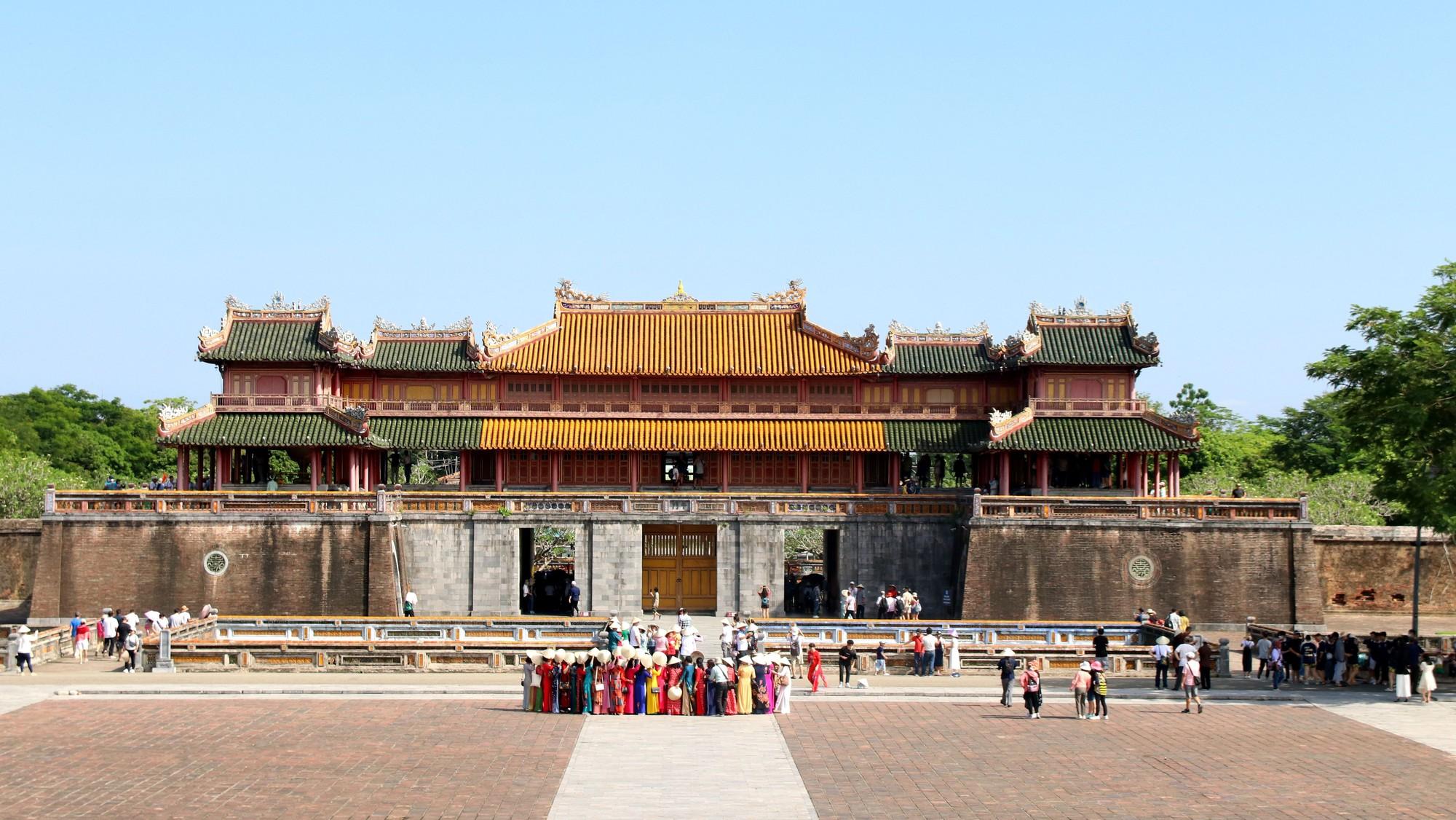
After arriving, transfer to your hotel in Hue and prepare to explore the former imperial capital.
Hue served as Vietnam’s imperial capital under the Nguyen Dynasty from 1802 to 1945. Today, its magnificent historical monuments, traditional cuisine, and peaceful riverside atmosphere make it one of the country’s most culturally significant destinations.
Afternoon: Explore the Imperial City
Begin your sightseeing at the Imperial City, part of the UNESCO-listed Complex of Hue Monuments.
The enormous historical complex includes magnificent gates, traditional palaces, ancient temples, beautiful courtyards, and remnants of the former royal residence.
Allow approximately two to three hours to explore the main attractions.
Evening: Enjoy Hue’s Traditional Cuisine
Hue is particularly famous for its distinctive regional cuisine.
Popular local dishes include bun bo Hue, banh beo, banh khoai, and com hen.
After dinner, enjoy a relaxing walk along the Perfume River or visit the illuminated Truong Tien Bridge.
Overnight: Hue.
Transportation tip: Book our Hue Phu Bai Airport Transfer Service for convenient transportation from the airport to your hotel.
8. Day 7: Hue to Da Nang via Hai Van Pass
One of the most memorable experiences of this Vietnam 14-day itinerary is the scenic journey from Hue to Da Nang.
Instead of taking a direct transfer, spend the day exploring Hue’s royal heritage and Central Vietnam’s spectacular coastal landscapes.

A private car with a driver is particularly convenient for this journey because you can stop at several attractions along the way.
8:00 AM – Visit the Royal Tombs of Hue
Start your morning by visiting one or two of Hue’s magnificent royal tombs.
The Tomb of Emperor Khai Dinh is famous for its distinctive architecture, elaborate decorations, and impressive mountain setting.
Alternatively, visit the Tomb of Emperor Minh Mang, surrounded by peaceful gardens, traditional architecture, and beautiful natural scenery.
10:30 AM – Depart for Da Nang
After completing your sightseeing, begin your scenic journey south toward Da Nang.
12:00 PM – Lang Co Beach and Lap An Lagoon
Stop at Lang Co, a beautiful coastal destination surrounded by mountains and turquoise waters.
Enjoy lunch at a local seafood restaurant before continuing to Lap An Lagoon.
The lagoon is particularly beautiful on clear days, when the surrounding mountains reflect in the calm water.
1:30 PM – Explore Hai Van Pass
Continue your journey across Hai Van Pass, one of Vietnam’s most spectacular coastal mountain roads.
The winding route offers panoramic views of the coastline, surrounding mountains, and the East Sea.
Stop at the summit to admire the scenery and explore the historical Hai Van Gate.
3:00 PM – Arrive in Da Nang
Continue to your hotel in Da Nang and enjoy some free time.
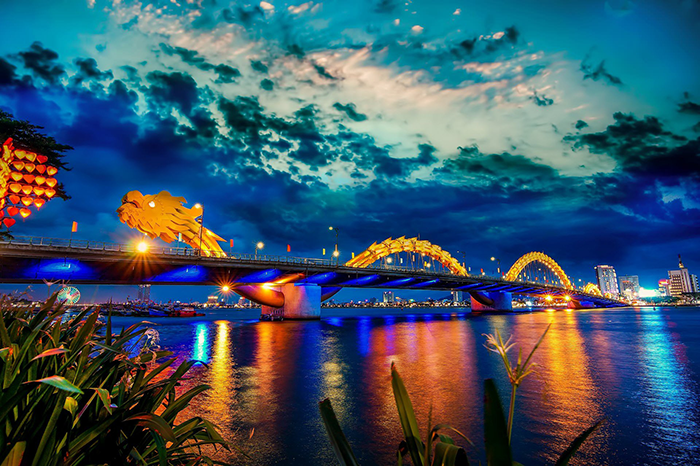
In the evening, explore the Han River waterfront, visit the Dragon Bridge, or enjoy fresh seafood at a local restaurant.
Overnight: Da Nang.
Private Scenic Transfer: Hue to Da Nang
Experience Central Vietnam’s spectacular scenery with Danang Transfer.
Our private sightseeing transfers can include Hue’s royal tombs, Lap An Lagoon, Lang Co Beach, Hai Van Pass, and other attractions along your route.
Travelers can choose from comfortable 4-seat sedans, 7-seat SUVs, and larger vehicles for families or groups.
Explore our Hue Private Car Service
9. Day 8: Explore Da Nang – Beaches, Mountains and Cultural Attractions
Da Nang is one of Central Vietnam’s most popular coastal cities, combining beautiful beaches, modern infrastructure, spectacular mountain scenery, and fascinating cultural attractions.

Today, spend a full day exploring the city’s most famous destinations.
Morning: Marble Mountains
Begin your day at Marble Mountains, approximately 20–30 minutes from central Da Nang.
This group of five limestone and marble hills features ancient Buddhist temples, natural caves, scenic viewpoints, and impressive stone stairways.
Explore the main attractions on Thuy Son Mountain, including Huyen Khong Cave, Tam Thai Pagoda, and Linh Ung Pagoda.
Allow approximately 1.5–2 hours for sightseeing.

Late Morning: Son Tra Peninsula and Linh Ung Pagoda
Continue to Son Tra Peninsula, known for its lush forests, beautiful coastal scenery, and impressive mountain viewpoints.
Visit Linh Ung Pagoda, home to the magnificent Lady Buddha statue overlooking Da Nang Bay.
The surrounding gardens offer spectacular views of the city and coastline.
If weather and road conditions permit, you may explore additional accessible viewpoints on the peninsula.

Afternoon: Relax at My Khe Beach
After lunch, spend the afternoon relaxing at My Khe Beach.
Its long sandy coastline, seaside restaurants, and beautiful ocean views make it an excellent destination for swimming, walking, or simply enjoying the sunshine.
Evening: Dragon Bridge and Han River
In the evening, explore the Han River waterfront.
The Dragon Bridge is one of Da Nang’s most recognizable landmarks.
On scheduled evenings, visitors can watch its famous fire-and-water performance. Confirm the current performance schedule before visiting.
Overnight: Da Nang.
For additional sightseeing ideas, read our 10 Things to Do in Da Nang: A Local’s Guide for First-Timers.
Our Da Nang Private Car Service provides convenient transportation between the city’s major attractions.
10. Day 9: Ba Na Hills and the Famous Golden Bridge
Ba Na Hills is one of Central Vietnam’s most famous tourist attractions.
Located in the mountains west of Da Nang, the resort is particularly well known for its spectacular Golden Bridge, supported by two enormous stone hands.

A full-day visit allows you to experience the mountain scenery, cable cars, French-inspired architecture, and numerous entertainment attractions.
7:30 AM – Depart from Da Nang
Leave your hotel early to avoid the busiest arrival periods.
The journey to Ba Na Hills generally takes approximately 45–60 minutes, depending on traffic and your hotel location.
8:30 AM – Cable Car and Golden Bridge
After arriving at the entrance, take the cable car to the mountain attractions.
Begin your visit at the famous Golden Bridge, where you can enjoy spectacular views of the surrounding mountains.
Morning visits may offer better opportunities for photography before the largest crowds arrive, although visibility depends on mountain weather.
10:30 AM – Le Jardin D’Amour
Continue to Le Jardin D’Amour, a collection of beautifully landscaped gardens featuring colorful flowers, sculptures, and scenic walking paths.
Nearby attractions include Linh Ung Pagoda and other mountain viewpoints.
12:00 PM – Lunch
Enjoy lunch at one of the restaurants within Ba Na Hills.
Buffet restaurants offer a variety of Vietnamese and international dishes.
1:00 PM – French Village and Fantasy Park
Spend the afternoon exploring the French Village, famous for its European-inspired architecture, cobblestone streets, and impressive mountain setting.
Families and travelers seeking entertainment can also visit Fantasy Park, an indoor amusement area featuring numerous attractions.
4:00 PM – Return to Da Nang
Take the cable car back to the entrance and meet your driver for the return journey.
Overnight: Da Nang.
Travel tip: Ba Na Hills involves cable car journeys and considerable walking. Bring comfortable shoes and a light jacket because mountain temperatures can be cooler than those in Da Nang.
Danang Transfer offers private car transportation in Da Nang for convenient round-trip journeys to Ba Na Hills.
11. Day 10: Da Nang to Hoi An – Explore the Ancient Town
Today, travel from Da Nang to Hoi An, one of Vietnam’s most charming historical destinations.
The journey generally takes approximately 45–60 minutes, depending on your departure location and traffic.
Hoi An Ancient Town is recognized as a UNESCO World Heritage Site and is famous for its traditional architecture, colorful lanterns, historical merchant houses, and picturesque riverside atmosphere.

Morning: Transfer to Hoi An
After breakfast, check out of your hotel and travel to Hoi An.
If you haven’t visited Marble Mountains, consider including it as a sightseeing stop along the way.
After arriving, leave your luggage at your hotel and begin exploring the Ancient Town.
Afternoon: Discover Hoi An’s Historical Attractions
Popular attractions include the Japanese Covered Bridge, traditional merchant houses, Chinese assembly halls, and historical museums.
Spend some time exploring the narrow streets, traditional craft shops, and riverside cafés.
Hoi An is also famous for its tailoring services, offering visitors opportunities to order custom-made clothing.
Evening: Lanterns and the Night Market
Hoi An becomes particularly beautiful after sunset, when thousands of colorful lanterns illuminate the Ancient Town.
Explore the night market, enjoy local street food, and admire the reflections of traditional lanterns on the Thu Bon River.
Visitors can also take a short traditional boat ride, subject to weather and operating conditions.
Overnight: Hoi An.
Discover more attractions and local experiences in our Hoi An Travel Guide for First-Timers.
12. Day 11: Hoi An Countryside, Coconut Forest and An Bang Beach
Spend your second day in Hoi An exploring its peaceful countryside, traditional villages, and beautiful beaches.
This is an excellent opportunity to experience a slower pace after several days of sightseeing.

Morning: Cam Thanh Coconut Forest
Begin your morning with a visit to Cam Thanh Coconut Forest.
Located a short drive from Hoi An Ancient Town, this popular attraction is famous for its traditional basket boats and beautiful coconut-lined waterways.
Visitors can enjoy a guided basket boat experience and learn about traditional local fishing practices.
Late Morning: Explore the Countryside
Continue to the surrounding countryside, where peaceful rice fields, traditional villages, and scenic cycling routes offer opportunities to experience rural Vietnam.
Depending on your interests, you can visit local craft villages or participate in a Vietnamese cooking class.
Afternoon: An Bang Beach
Spend the afternoon relaxing at An Bang Beach.
The beach offers beautiful coastal scenery, casual restaurants, and a more relaxed atmosphere than the busy Ancient Town.
Enjoy fresh seafood, take a walk along the coastline, or simply relax by the sea.
Evening: Final Night in Hoi An
Return to the Ancient Town for dinner.
Try local specialties such as cao lau, white rose dumplings, and Hoi An chicken rice.
Overnight: Hoi An.
Our Hoi An Private Car Service provides flexible transportation for countryside excursions, beach visits, and sightseeing trips around Hoi An.
13. Day 12: Fly to Ho Chi Minh City – Discover Southern Vietnam
After breakfast, leave Hoi An and travel to Da Nang International Airport for your flight to Ho Chi Minh City.
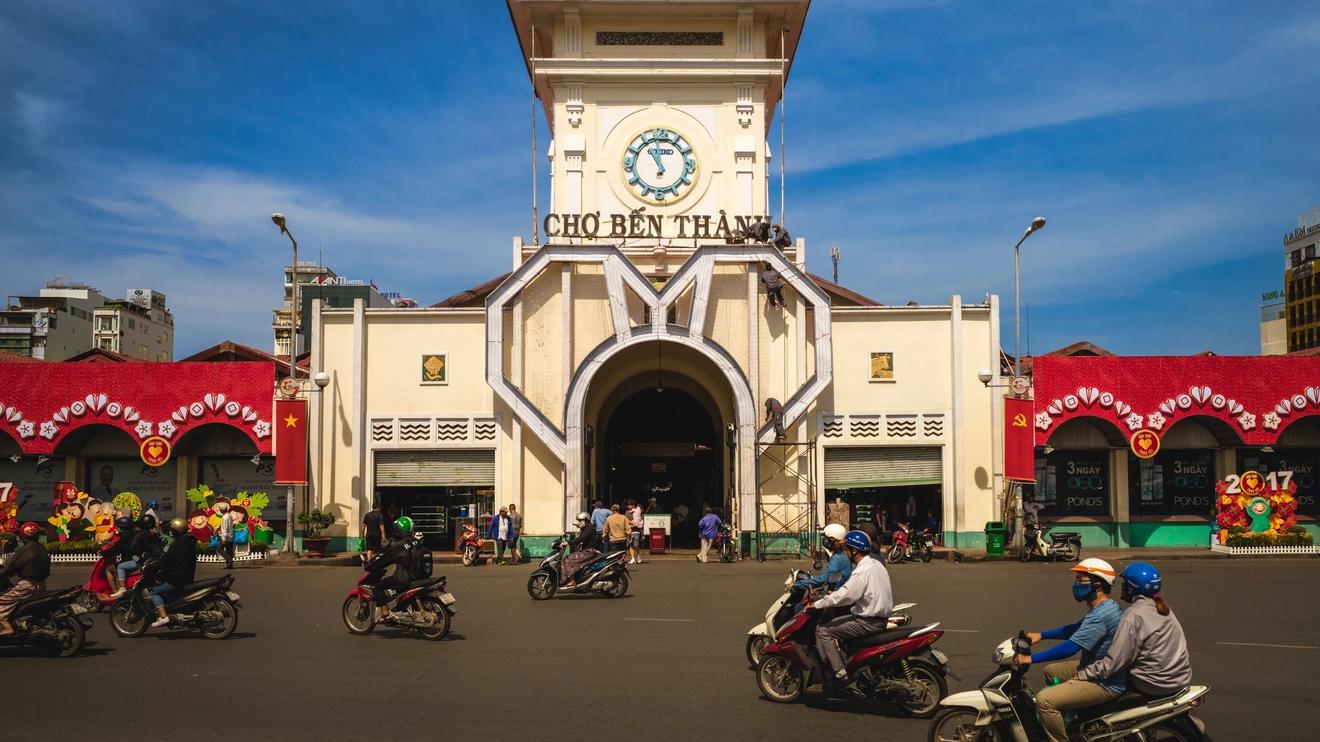
The drive from Hoi An to the airport generally takes approximately 45–60 minutes, depending on traffic.
The flight from Da Nang to Ho Chi Minh City takes approximately 1 hour and 30 minutes.
After arriving at Tan Son Nhat International Airport, transfer to your hotel in central Ho Chi Minh City.
Afternoon: Explore the City Center
Begin your sightseeing in District 1, where many of the city’s most famous historical attractions are located.
Visit the Central Post Office, admire the exterior architecture of Notre-Dame Cathedral, and explore the surrounding streets.
Continue to the Independence Palace, an important historical landmark associated with the end of the Vietnam War.
If time permits, visit the War Remnants Museum.
Evening: Ben Thanh Market and Local Cuisine
Spend the evening exploring Ben Thanh Market and nearby shopping streets.
Ho Chi Minh City offers an extraordinary variety of restaurants, street-food stalls, cafés, and rooftop bars.
Try southern Vietnamese specialties such as com tam, hu tieu, and banh xeo.
Overnight: Ho Chi Minh City.
For convenient airport transportation, explore our Tan Son Nhat Airport Transfer Service.

14. Day 13: Cu Chi Tunnels or Mekong Delta Day Trip
Your final full day in Vietnam offers an opportunity to explore one of southern Vietnam’s most famous attractions.
Depending on your interests, choose between a historical excursion to the Cu Chi Tunnels and a countryside adventure in the Mekong Delta.
Option A: Cu Chi Tunnels
The Cu Chi Tunnels are an extensive underground tunnel network located northwest of Ho Chi Minh City.
The tunnels played an important role during the Vietnam War and offer visitors insight into the conditions experienced by soldiers and local communities.
A guided visit includes historical explanations, reconstructed underground sections, and displays of wartime equipment.
Travelers who experience claustrophobia or mobility difficulties should check accessibility before entering the tunnels.
The excursion generally requires approximately half a day, depending on traffic and your selected itinerary.
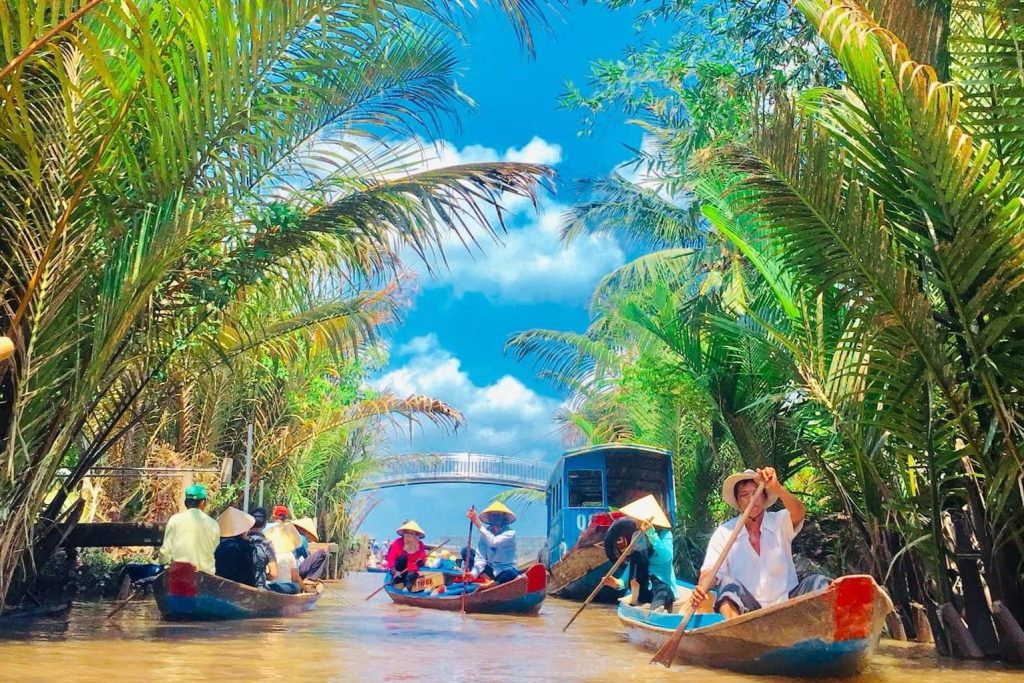
Option B: Mekong Delta
For travelers interested in nature and rural culture, the Mekong Delta offers a completely different experience.
A day trip to My Tho or Ben Tre allows visitors to explore peaceful waterways, traditional villages, tropical fruit gardens, and local handicraft workshops.
Popular activities include traditional boat rides, sampling regional specialties, and learning about life along the Mekong River.
A full-day excursion generally requires approximately 8–10 hours, depending on your departure location and selected activities.
Which excursion should you choose?
Choose Cu Chi if you’re particularly interested in Vietnam’s modern history.
Choose the Mekong Delta if you prefer peaceful countryside scenery, river experiences, and traditional rural culture.
Both destinations are accessible from Ho Chi Minh City.
Overnight: Ho Chi Minh City.
Our Ho Chi Minh Private Car Service provides private transportation for city sightseeing, Cu Chi Tunnels, and Mekong Delta excursions.
15. Day 14: Shopping, Relaxation and Departure
Your final day in Vietnam depends on your international flight schedule.
If you have an afternoon or evening departure, enjoy breakfast at a local café and spend some time shopping for souvenirs.
Popular shopping destinations include Ben Thanh Market and several modern shopping centers in central Ho Chi Minh City.
Vietnamese coffee, traditional handicrafts, silk products, and locally produced souvenirs make excellent gifts.
Allow sufficient time to collect your luggage and travel to Tan Son Nhat International Airport.
For international flights, arriving approximately three hours before departure is generally advisable, subject to your airline’s recommendations.
Your two-week journey through Vietnam comes to an end after experiencing spectacular mountain landscapes, fascinating historical cities, beautiful beaches, and the vibrant culture of southern Vietnam.
For a comfortable departure, arrange your Ho Chi Minh Airport Private Car Transfer in advance.
16. How Much Does a 14-Day Vietnam Trip Cost?
Vietnam offers travel experiences suitable for different budgets, from affordable backpacking adventures to comfortable family vacations and luxury holidays.
Your total expenses will depend on your accommodation preferences, transportation choices, activities, and travel season.
The following figures provide approximate planning estimates for a two-week journey.
Estimated Vietnam 14-day travel budget
| Expense | Budget traveler | Mid-range traveler |
|---|---|---|
| Accommodation (13 nights) | $150–300 | $500–1,000 |
| Food and drinks | $140–250 | $300–500 |
| Domestic flights | $100–200 | $150–300 |
| Local and intercity transportation | $100–200 | $250–500 |
| Attractions and sightseeing | $100–200 | $200–400 |
| Ha Long Bay overnight cruise | $120–180 | $180–300 |
| Estimated total | $710–1,330 | $1,580–2,800 |
These are approximate costs per person. Actual expenses depend on room-sharing arrangements, seasonal prices, flight availability, and selected activities. International flights, visas, insurance, and personal shopping are excluded.
The itinerary includes 13 nights: four in Hanoi, one aboard a Ha Long Bay cruise, one in Hue, three in Da Nang, two in Hoi An, and two in Ho Chi Minh City.
How to save money on your Vietnam trip
Traveling during quieter periods can help reduce accommodation expenses.
Booking domestic flights in advance may also provide access to more affordable fares, particularly when traveling between Hanoi, Central Vietnam, and Ho Chi Minh City.
For sightseeing excursions, consider sharing private transportation with your family or travel companions.
A private vehicle can be particularly convenient when several attractions are located along the same route.
For additional information about transportation costs, read our Vietnam Private Car Prices: What to Expect and How to Save Money.
17. Best Time to Visit Vietnam for Two Weeks
Vietnam’s climate varies considerably between northern, central, and southern regions.

Consequently, choosing the best time for a north-to-south itinerary requires considering weather conditions across the entire country.
Vietnam Weather by Region
| Region | Generally favorable months | Weather considerations |
|---|---|---|
| Northern Vietnam | March–April, September–November | Cooler winters and hot, rainy summers |
| Central Vietnam | February–August | Autumn can bring heavy rainfall and tropical storms |
| Southern Vietnam | December–April | Generally drier, with high temperatures in some months |
February to April: A convenient period for multi-region travel
February to April is often a practical period for travelers planning to visit northern, central, and southern Vietnam during the same vacation.
Northern Vietnam generally experiences milder conditions, Central Vietnam is moving into its drier season, and southern Vietnam typically has relatively dry weather.
However, temperatures, rainfall, and visibility can vary between individual destinations.
September to November: Beautiful northern scenery
Autumn can be particularly attractive for exploring Hanoi, Ninh Binh, and northern mountain destinations.
However, Central Vietnam can experience significant rainfall and tropical storms during this period.
Travelers visiting Da Nang, Hoi An, and Hue should monitor weather forecasts and maintain flexibility in their itineraries.
For detailed seasonal advice, explore our Best Time to Visit Vietnam: Weather by Month and Region.
18. Transportation Guide for Your Vietnam 14-Day Itinerary
Transportation planning is one of the most important aspects of a successful two-week Vietnam vacation.

Vietnam private car service guide comparing private cars, airport transfers, day trips, intercity transfers and vehicle options.
Because the itinerary covers several distant regions, combining domestic flights with private road transportation can help reduce unnecessary travel time.
Recommended transportation for each journey
| Route | Recommended transportation | Approximate travel time |
|---|---|---|
| Noi Bai Airport → Hanoi | Private car or airport bus | 40–60 minutes |
| Hanoi → Ninh Binh | Private car or tourist bus | 2–2.5 hours |
| Hanoi → Ha Long Bay | Cruise transfer or private car | 2.5–3.5 hours |
| Hanoi → Hue | Domestic flight | 1 hour 15 minutes |
| Hue → Da Nang | Scenic private car transfer | 4–7 hours with sightseeing |
| Da Nang → Ba Na Hills | Private car | 45–60 minutes |
| Da Nang → Hoi An | Private car | 45–60 minutes |
| Hoi An → Da Nang Airport | Private car | 45–60 minutes |
| Da Nang → Ho Chi Minh City | Domestic flight | 1 hour 30 minutes |
| Ho Chi Minh City → Cu Chi | Private car | 1.5–2 hours |
Travel times are approximate and may vary due to traffic, weather, departure locations, and sightseeing stops.
Why consider a private car with a driver?
A private car provides flexibility, particularly when visiting multiple attractions during a single journey.
For example, a scenic transfer between Hue and Da Nang allows travelers to explore Lang Co Beach, Lap An Lagoon, and Hai Van Pass without arranging several separate transportation services.
Private transportation also provides convenient door-to-door service, air conditioning, luggage storage, and flexible departure times.
For families, couples, and small groups, these advantages can make traveling more comfortable.
Explore our Vietnam Car Rental with Driver: The Ultimate Travel Guide.
19. Essential Travel Tips for First-Time Visitors to Vietnam
A successful two-week vacation requires balancing sightseeing with sufficient rest and realistic transportation schedules.
Consider these practical recommendations before your departure.
Book domestic flights strategically
Domestic flights can save considerable time when traveling between distant regions.
However, avoid scheduling flights immediately after activities that may experience weather-related delays, such as overnight cruises.
Choose accommodation in convenient locations
Staying near major attractions can reduce daily transportation costs and save valuable sightseeing time.
Recommended areas include Hanoi’s Old Quarter, Da Nang’s My Khe Beach area, Hoi An Ancient Town or its surrounding neighborhoods, and central Ho Chi Minh City.
Check visa requirements before departure
Vietnam offers visa exemptions for certain nationalities and electronic visas for eligible travelers.
Requirements vary according to nationality and travel circumstances.
Consult the official Vietnam Immigration Department e-visa portal before applying.
For additional guidance, read our Vietnam Visa Guide.
Prepare for different weather conditions
A north-to-south itinerary may involve significantly different temperatures and weather conditions.
Bring lightweight clothing, comfortable walking shoes, sun protection, and a raincoat.
During cooler months, additional warm clothing may be necessary in northern Vietnam.
Purchase appropriate travel insurance
Travel insurance can provide financial protection against unexpected medical expenses, travel disruptions, and other covered emergencies.
Check your policy’s conditions before departure.
Stay connected throughout your journey
A local SIM card or compatible eSIM makes navigation, transportation arrangements, and communication considerably easier.
Discover more in our Vietnam SIM Card & Internet Guide.
20. Frequently Asked Questions About a Vietnam 14-Day Itinerary
Is 14 days enough to visit Vietnam?
Fourteen days are sufficient to experience several of Vietnam’s most famous destinations, including Hanoi, Ninh Binh, Ha Long Bay, Hue, Da Nang, Hoi An, and Ho Chi Minh City.
However, visiting every major destination is unrealistic within two weeks.
Travelers who prefer a slower pace should consider focusing on two regions rather than traveling across the entire country.
Should I travel from north to south or south to north?
Both directions are suitable.
Starting in Hanoi and finishing in Ho Chi Minh City is a convenient option for travelers who want to follow a geographical route through the country.
However, your preferred direction should depend on flight availability, seasonal weather conditions, and personal travel interests.
How many domestic flights do I need for a two-week Vietnam trip?
The itinerary presented in this guide includes two domestic flights: Hanoi to Hue and Da Nang to Ho Chi Minh City.
Travelers can substitute some flights with overnight trains or long-distance buses, although this will increase travel time.
Is Vietnam expensive for tourists?
Vietnam offers accommodation, food, and transportation suitable for different budgets.
Travelers can reduce expenses by choosing local restaurants, affordable accommodation, and public transportation.
Private sightseeing excursions, luxury hotels, and premium cruises will increase the overall cost.
Is this itinerary suitable for families with children?
Yes, although families with young children may prefer a slower schedule.
Consider spending additional nights in Da Nang or Hoi An and reducing the number of long-distance transfers.
Private transportation can make traveling with children and luggage more convenient.
For additional recommendations, read our Vietnam Travel Guide for Families with Kids.
Is this itinerary suitable for senior travelers?
Many attractions in this itinerary are suitable for senior travelers, although certain activities involve considerable walking, climbing stairs, or extended travel periods.
Travelers with mobility limitations should review accessibility before visiting locations such as Hang Mua, Marble Mountains, and some historical monuments.
Our Vietnam Travel Guide for Seniors provides additional advice about comfortable transportation, accommodation, and travel planning.
Can I customize my Vietnam 14-day itinerary?
Absolutely.
Your itinerary can be adjusted according to your interests, travel budget, preferred destinations, and available time.
For example, travelers interested in outdoor adventures may replace some city sightseeing with additional time in Sapa or Phong Nha.
Beach lovers may prefer spending more time in Da Nang, Hoi An, or Nha Trang.
21. Explore Vietnam with Danang Transfer – Private Car and Driver Services
Planning a two-week journey across Vietnam involves coordinating airport transfers, sightseeing excursions, intercity transportation, and multiple hotel locations.

Complete guide to booking a private car in Vietnam, covering vehicle selection, pricing, booking steps, airport pickup and travel tips.
Danang Transfer provides private transportation services to help travelers explore Vietnam comfortably and conveniently.
Whether you’re visiting Vietnam for the first time, traveling with family, or organizing a holiday with friends, our team can help arrange transportation according to your itinerary.
Our private transportation services
Private Transportation Across Vietnam
Airport transfers, sightseeing excursions, intercity journeys and private car hire with experienced local drivers.
| Destination | Service |
|---|---|
| Hanoi | Hanoi Private Car Transfer |
| Hue | Hue Private Car Service |
| Da Nang | Da Nang Private Car Service |
| Hoi An | Hoi An Private Car Service |
| Nha Trang | Nha Trang Private Car Service |
| Quy Nhon | Quy Nhon Private Car Service |
| Ho Chi Minh City | Ho Chi Minh Private Car Service |
DANANG TRANSFER TRAVEL & TRANSPORT CO., LTD.
Address: 09 Tien Son 15, Hoa Cuong, Da Nang City, Vietnam
Hotline / WhatsApp: +84 905 442 279
Email: info@danangtransfer.vn
Website: www.danangtransfer.vn
Conclusion: Make the Most of Your Two Weeks in Vietnam
A well-planned Vietnam 14-day itinerary offers an unforgettable introduction to the country’s extraordinary landscapes, fascinating history, vibrant culture, and delicious cuisine.
From the ancient streets of Hanoi and the spectacular limestone mountains of Ninh Binh to the magnificent scenery of Ha Long Bay, the imperial heritage of Hue, the beautiful beaches of Da Nang, and the colorful lanterns of Hoi An, every destination offers something unique.
Finish your journey in Ho Chi Minh City, where modern urban life meets historical landmarks and traditional southern Vietnamese culture.
The key to an enjoyable two-week vacation is choosing a realistic travel route, allowing sufficient time between destinations, and selecting transportation that matches your needs.
With thoughtful planning and comfortable transportation, your journey through Vietnam can become an extraordinary travel experience.
Start planning your Vietnam adventure today and discover the country from north to south with Danang Transfer.