English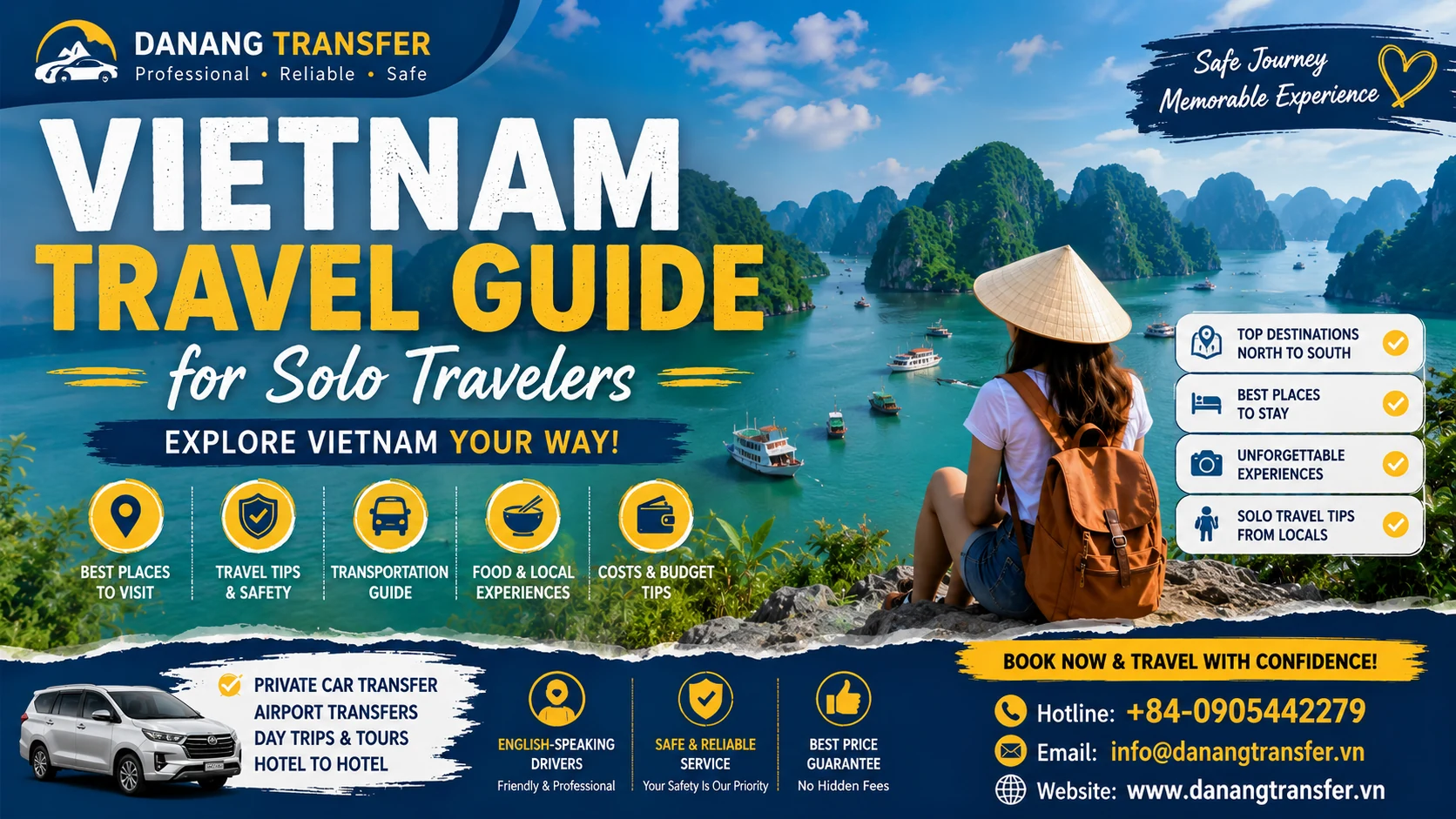
Vietnam Travel Guide for Solo Travelers is your practical guide to discovering one of Southeast Asia’s most diverse destinations independently. From the energetic streets of Hanoi and Ho Chi Minh City to the peaceful beaches of Da Nang, the lantern-lit streets of Hoi An, and the mountains of northern Vietnam, traveling alone in Vietnam offers an excellent mix of adventure, culture, food, nature, and authentic local experiences.
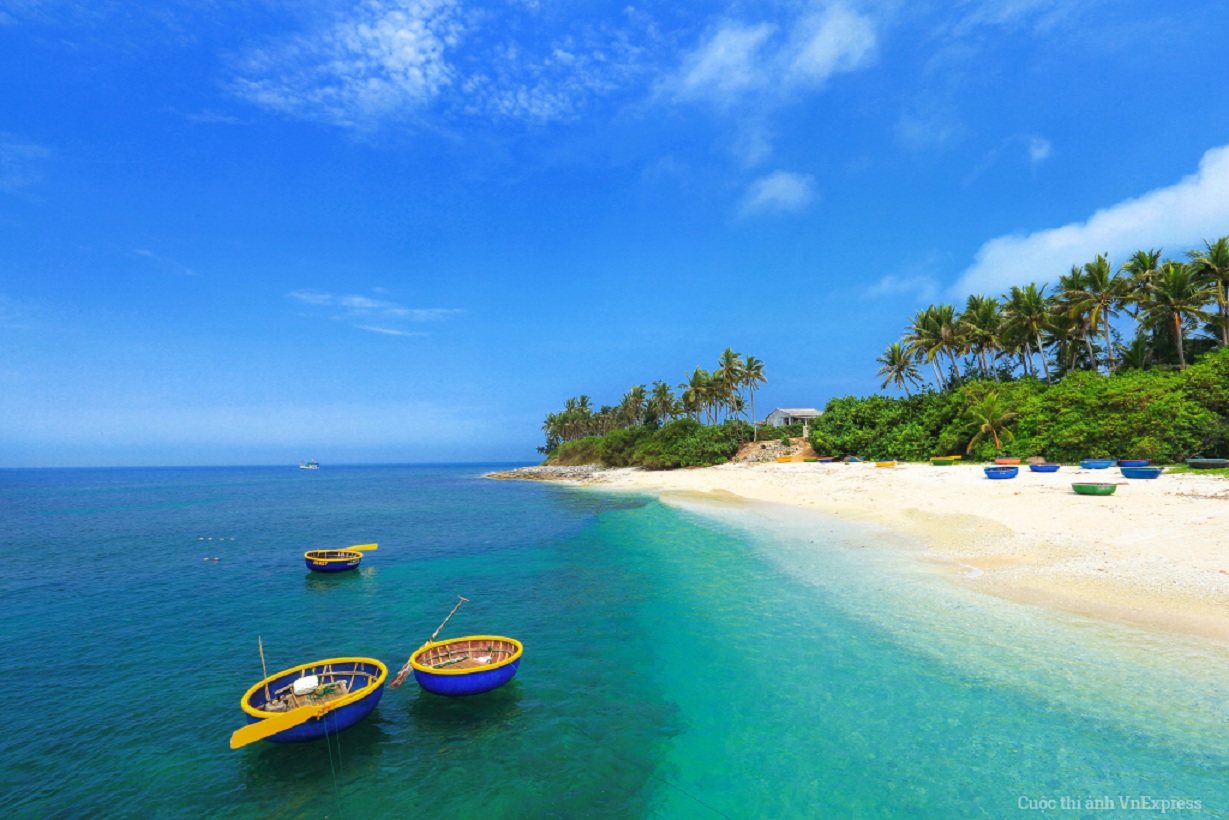
Vietnam is also a particularly rewarding destination for independent travelers because you can travel at your own pace. You can spend a few days exploring a city, take a scenic train journey, hire a private car for a day trip, or simply stay longer in a place you love.
This Vietnam solo travel guide covers everything you need to know, including where to go, how to get around, where to stay, safety tips, costs, food, visas, and a suggested itinerary.
Why Vietnam Is a Great Destination for Solo Travelers
Vietnam is an excellent choice for solo travel because it offers a wide variety of experiences within one relatively compact country.
You can enjoy:
- Historic cities and ancient architecture
- Beautiful beaches and islands
- Mountain landscapes and rice terraces
- Delicious and affordable local food
- Vibrant nightlife
- Cultural experiences
- Outdoor adventures
- Friendly local communities
- Convenient transportation between major destinations
Vietnam Tourism specifically highlights the country as a suitable destination for solo explorers and notes that travelers have many transportation options, including domestic flights, trains, sleeper buses, limousine vans, and boats.
For first-time visitors, our Ultimate Vietnam Travel Guide for First-Time Visitors is also a useful starting point.
Best Places to Visit in Vietnam for Solo Travelers
Vietnam stretches from north to south, with each region offering a very different travel experience.
1. Hanoi – Best for Culture and History
Hanoi is one of the best starting points for solo travelers who want to experience traditional Vietnamese culture.
Spend time exploring:
- Hoan Kiem Lake
- Hanoi Old Quarter
- Temple of Literature
- Ho Chi Minh Mausoleum area
- Train Street
- Dong Xuan Market
- Local coffee shops
- Traditional Vietnamese restaurants
The Old Quarter is especially convenient for solo travelers because many attractions, restaurants, cafes, hostels, and shops are within walking distance.

Hanoi is also a convenient base for trips to northern Vietnam, including Sapa, Ninh Binh, Ha Long Bay, and Ha Giang.
For more ideas, see our Northern Vietnam Travel Guide: Hanoi, Sapa & Ninh Binh Highlights.
2. Sapa – Best for Mountains and Trekking
Sapa is ideal for solo travelers who enjoy nature and outdoor activities.
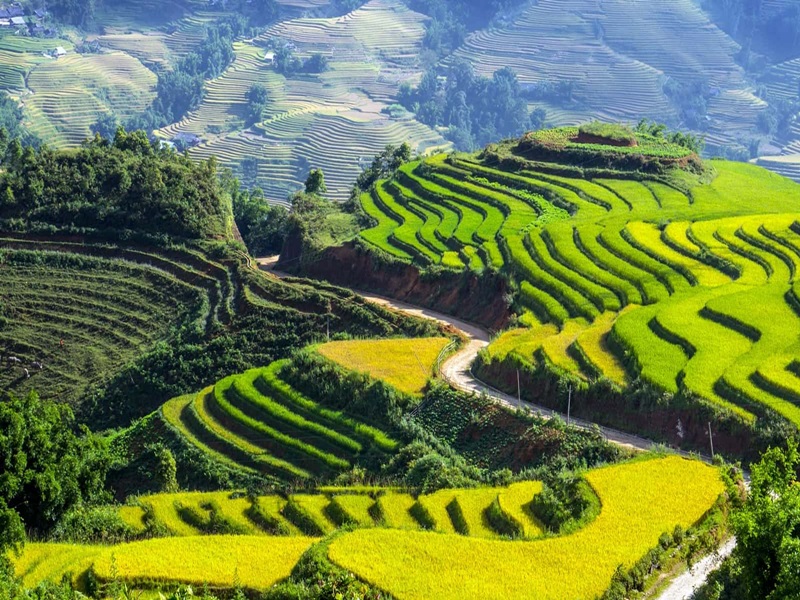
Rice fields at Muong Hoa Valley
The surrounding mountains are home to ethnic minority communities, rice terraces, valleys, and hiking trails.
Popular experiences include:
- Trekking through rice terraces
- Visiting local villages
- Fansipan Mountain
- Muong Hoa Valley
- Local markets
- Homestay experiences
If you enjoy hiking and meeting other travelers, Sapa can be one of the most social destinations in Vietnam.
3. Ninh Binh – Best for Nature and Scenic Landscapes
Ninh Binh is another excellent destination for independent travelers.

The area is famous for limestone mountains, rivers, caves, temples, and countryside landscapes.
Don’t miss:
- Trang An
- Tam Coc
- Mua Cave
- Bich Dong Pagoda
- Hoa Lu Ancient Capital
A boat trip through Trang An is particularly memorable for solo travelers because you can enjoy the landscape at a relaxed pace.
4. Ha Long Bay – Best for a Short Cruise Experience
Ha Long Bay is one of Vietnam’s most famous destinations.

For solo travelers, joining a small-group cruise can be a good alternative to arranging everything independently. It gives you the opportunity to meet other travelers while enjoying:
- Limestone islands
- Kayaking
- Cave visits
- Seafood meals
- Sunset views
- Overnight cruises
If you prefer a more flexible itinerary, you can also consider nearby destinations such as Cat Ba Island.
5. Da Nang – Best Overall Destination for Solo Travelers
Da Nang is one of the best destinations in Vietnam for solo travelers who want a combination of beaches, food, nature, culture, and convenient transportation.

The city is easy to explore and works particularly well as a base for Central Vietnam.
Top attractions include:
- My Khe Beach
- Son Tra Peninsula
- Linh Ung Pagoda and Lady Buddha
- Marble Mountains
- Han River
- Dragon Bridge
- Han Market
- Ba Na Hills and Golden Bridge
You can find more ideas in our Da Nang Travel Guide: Everything You Need to Know Before Visiting and 10 Things to Do in Da Nang: A Local’s Guide for First-Timers.
Why Da Nang Is Great for Solo Travelers
Da Nang offers a particularly good balance between convenience and adventure.
You can spend the morning at the beach, visit Marble Mountains in the afternoon, enjoy local food in the evening, and still have plenty of time to relax.
It is also an excellent base for day trips to Hoi An, Hue, Ba Na Hills, and other attractions in Central Vietnam.
6. Hoi An – Best for Slow Travel
Hoi An is one of Vietnam’s most atmospheric destinations.
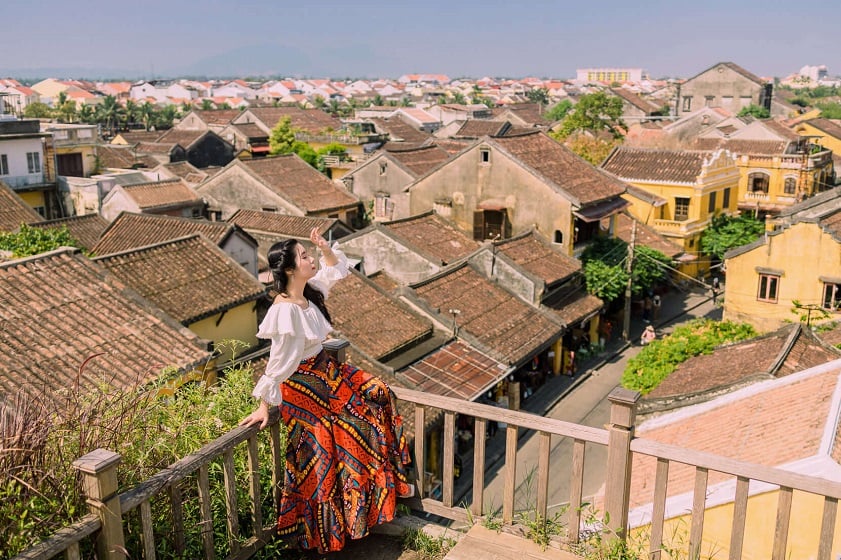
The Ancient Town is famous for:
- Colorful lanterns
- Historic buildings
- Riverside restaurants
- Tailor shops
- Vietnamese coffee
- Local cuisine
- Cycling routes
- Nearby beaches
For solo travelers, Hoi An is an easy place to slow down.
You can spend the day walking through the Ancient Town, take a cooking class, cycle through the countryside, or visit Cam Thanh Coconut Village.
Read our Hoi An Travel Guide for First-Timers for more information.
7. Hue – Best for History
Hue was the imperial capital of Vietnam and is an excellent destination for travelers interested in history and architecture.

Top attractions include:
- Imperial City
- Thien Mu Pagoda
- Royal Tombs
- Dong Ba Market
- Perfume River
A private car from Da Nang to Hue is particularly convenient if you want to stop at scenic places along the way, including Hai Van Pass, Lang Co Beach, and Lap An Lagoon.
For a broader overview, see our Central Vietnam Travel Guide: Da Nang, Hoi An & Hue Itinerary.
8. Quy Nhon – Best for Quiet Beaches and Authentic Coastal Experiences
Quy Nhon is an excellent choice for solo travelers who want beautiful beaches without the crowds of some of Vietnam’s more famous coastal destinations.
Located along Vietnam’s south-central coast, Quy Nhon combines clear water, dramatic coastal landscapes, seafood, historical attractions, and a relaxed local atmosphere.

Solo travelers can explore:
- Ky Co Beach
- Eo Gio
- Queen’s Beach
- Hon Kho Island
- Cham towers
- Local seafood restaurants
Quy Nhon is particularly suitable for travelers who want to slow down and experience a more peaceful side of Vietnam.
For convenient transportation around the region, see our Quy Nhon Private Car Service.
9. Nha Trang – Best for Beaches, Islands and Water Activities
Nha Trang is one of Vietnam’s most popular beach destinations and works well for solo travelers who enjoy a combination of relaxation and outdoor activities.

The city offers a lively beachfront atmosphere, island excursions, seafood restaurants, cafés, and plenty of activities.
Popular experiences include:
- Relaxing on Nha Trang Beach
- Island-hopping tours
- Snorkeling
- Diving
- Visiting Po Nagar Cham Towers
- Exploring local seafood restaurants
- Enjoying a mud bath or spa experience
Nha Trang is easy to explore independently, while organized island tours provide opportunities to meet other travelers.
For private transportation, airport pickup, or sightseeing, see our Nha Trang Private Car Service.
If you are arriving by air, you can also arrange a Cam Ranh Airport Private Car Transfer directly to your hotel in Nha Trang.
10. Da Lat – Best for Cool Weather and Romantic Mountain Scenery
Da Lat offers a completely different atmosphere from Vietnam’s tropical coastal cities.
Located in the Central Highlands, Da Lat is known for its cooler climate, pine forests, flower gardens, lakes, waterfalls, coffee farms, and French-inspired architecture.

It is a wonderful destination for solo travelers who want a few relaxing days surrounded by nature.
Popular things to do include:
- Visit Xuan Huong Lake
- Explore Da Lat Market
- See the Flower Gardens
- Visit Datanla Waterfall
- Explore coffee farms
- Take scenic countryside trips
- Enjoy Vietnamese specialty coffee
Da Lat is especially attractive for photographers, nature lovers, and travelers looking for a peaceful break from busy cities.
11. Mui Ne – Best for Beaches, Sand Dunes and Adventure
Mui Ne is an excellent destination for solo travelers who enjoy beaches and outdoor activities.
The area is famous for its spectacular sand dunes, long coastline, seafood restaurants, and relaxed resort atmosphere.
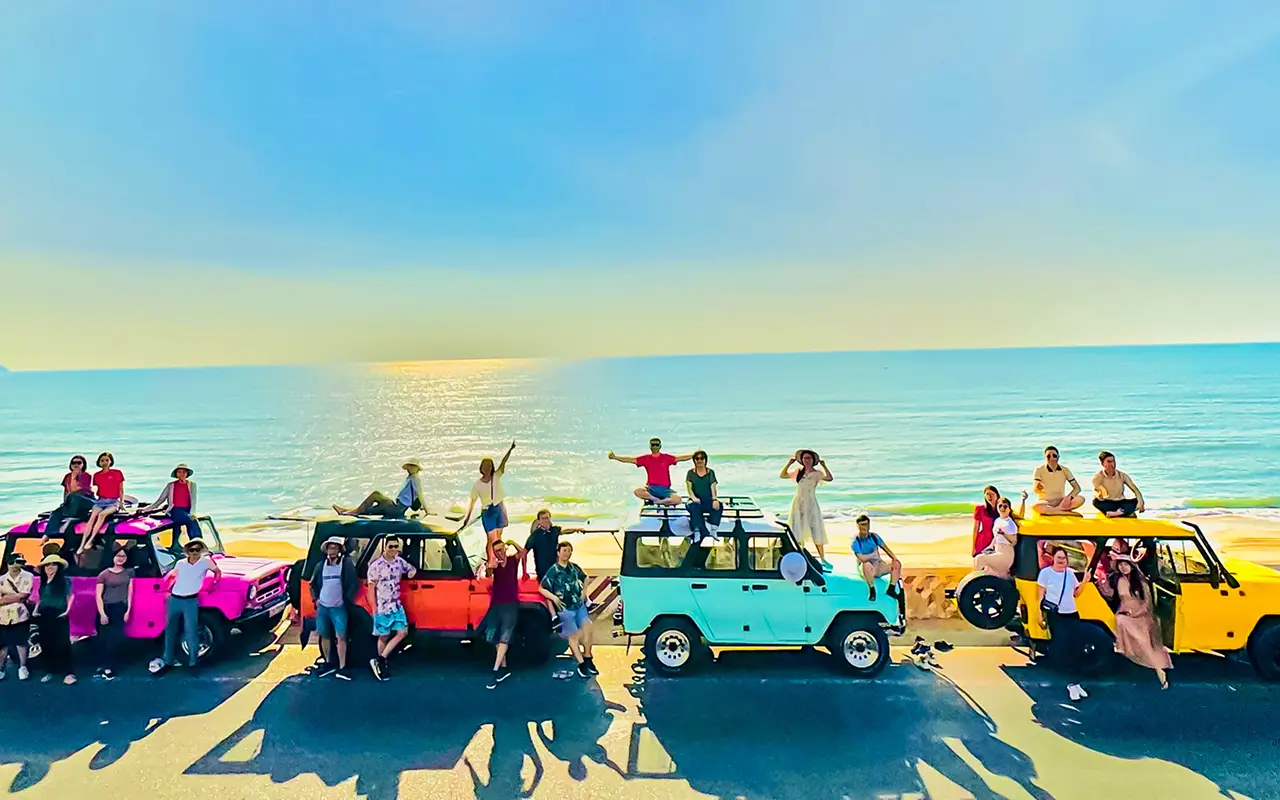
Top experiences include:
- Sunrise at the White Sand Dunes
- Exploring the Red Sand Dunes
- Visiting the Fairy Stream
- Relaxing on Mui Ne Beach
- Kitesurfing
- Watching the sunrise or sunset
- Enjoying fresh seafood
Mui Ne is particularly popular with independent travelers because it combines relaxation with easy opportunities for adventure and photography.
12. Ho Chi Minh City – Best for Food, Culture and Nightlife
Ho Chi Minh City is Vietnam’s most energetic urban destination and a great choice for solo travelers who enjoy food, nightlife, shopping, and modern city life.

Top attractions include:
- Ben Thanh Market
- War Remnants Museum
- Independence Palace
- Central Post Office
- Nguyen Hue Walking Street
- Local food streets
- Rooftop bars and cafés
The city is also a convenient base for day trips to the Cu Chi Tunnels and Mekong Delta.
13. Mekong Delta – Best for Local Life and River Experiences
The Mekong Delta provides a completely different perspective on Vietnam.
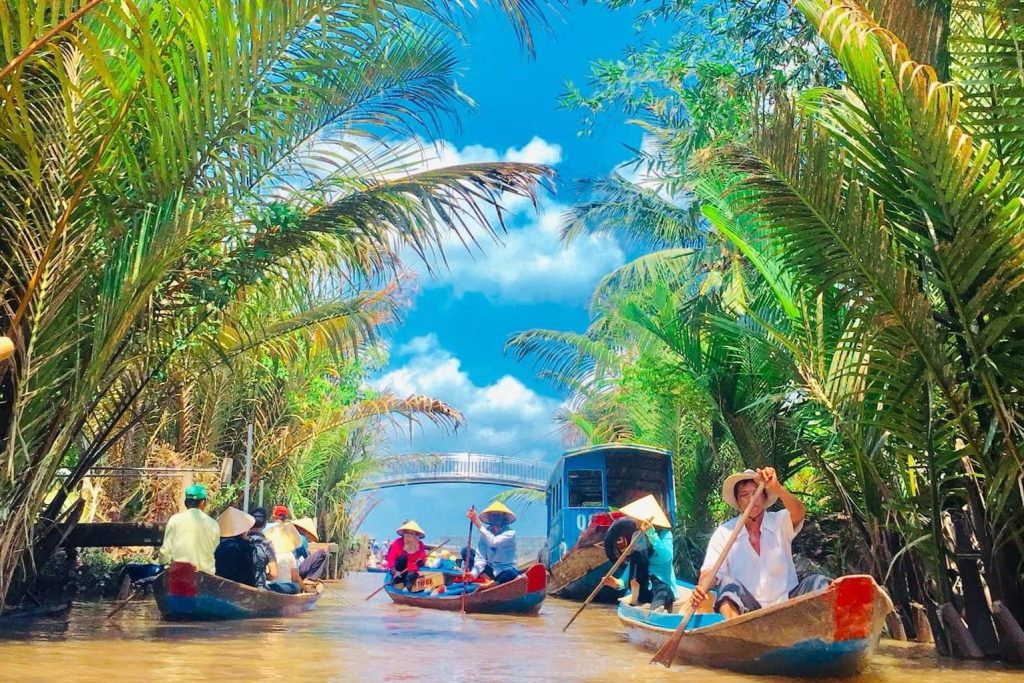
Solo travelers can experience:
- River boat trips
- Floating markets
- Fruit orchards
- Local villages
- Traditional crafts
- Vietnamese countryside
- Regional food
Joining a small-group tour is often a convenient choice for solo travelers because transportation and activities are organized while still allowing you to meet other visitors.
14. Ly Son Island – Best for an Off-the-Beaten-Path Adventure
For solo travelers looking for somewhere less touristy, Ly Son Island is worth considering.
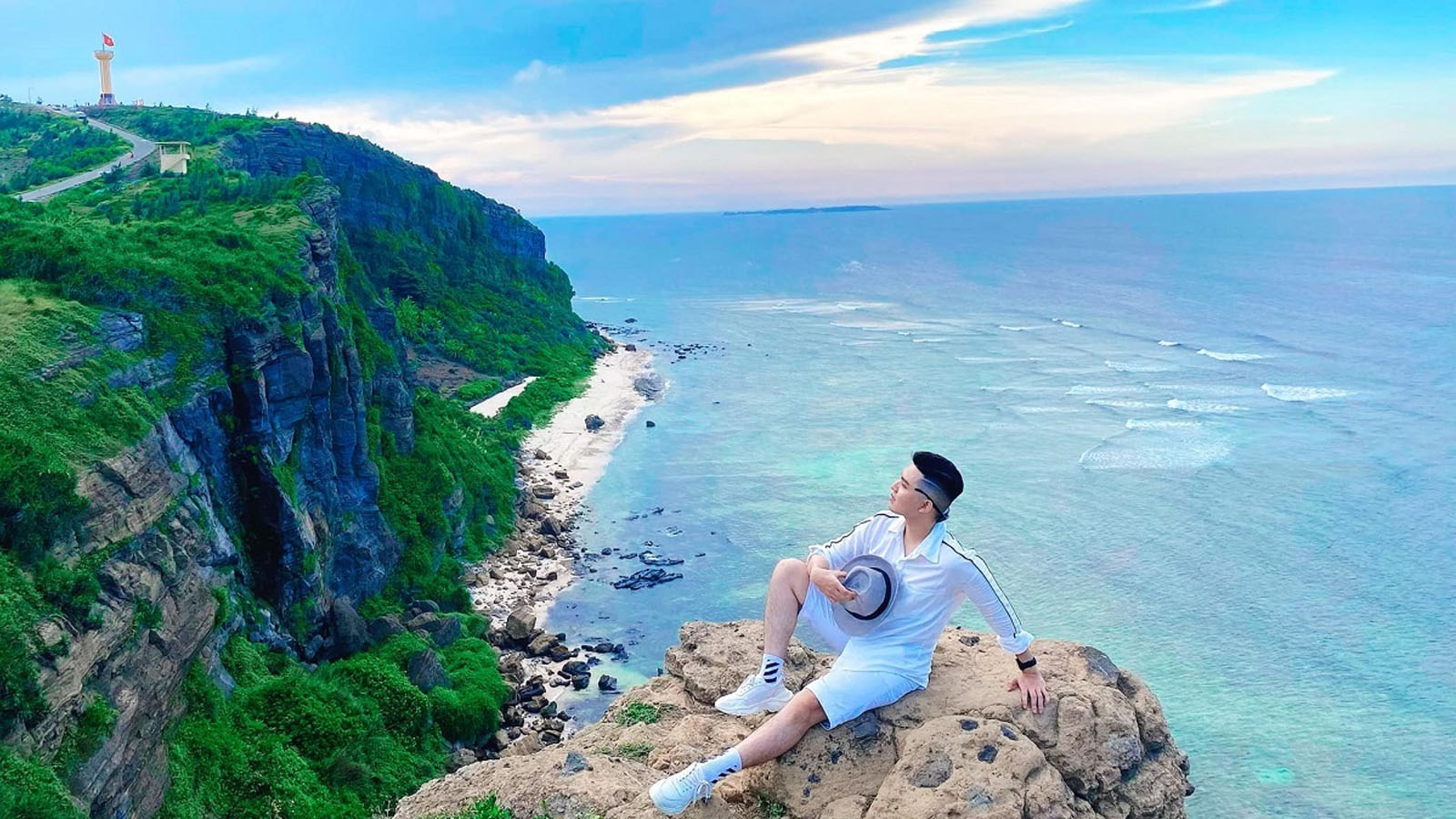
Located off the coast of Quang Ngai Province, Ly Son is known for volcanic landscapes, dramatic cliffs, turquoise water, garlic fields, temples, and spectacular coastal viewpoints.
It is a good destination for travelers who enjoy:
- Island scenery
- Photography
- Local food
- Coastal walks
- Sunrise viewpoints
- Authentic local experiences
For a practical route, see our Ly Son 2-Day Itinerary: Best Travel Plan for First-Time Visitors.
Best Vietnam Destinations for Different Types of Solo Travelers
Not sure where to go? Match your destination to your travel style:
| Travel Style | Best Destinations |
|---|---|
| Culture & history | Hanoi, Hue, Hoi An |
| Beaches | Da Nang, Nha Trang, Quy Nhon, Mui Ne |
| Mountains & trekking | Sapa, Da Lat |
| Food | Hanoi, Da Nang, Hoi An, Ho Chi Minh City |
| Nightlife | Ho Chi Minh City, Da Nang, Nha Trang |
| Relaxation | Quy Nhon, Da Lat, Mui Ne |
| Adventure | Sapa, Ha Long Bay, Ly Son, Mui Ne |
| Island experiences | Ha Long Bay, Nha Trang, Ly Son |
| Authentic local atmosphere | Quy Nhon, Hue, Ly Son |
| First-time solo travelers | Hanoi, Da Nang, Hoi An |
Final Tip for Solo Travelers
You don’t need to visit every destination on your first trip to Vietnam. Choose 2–4 destinations that match your interests, allow enough time in each place, and use convenient transportation between them.
For a broader overview of the country, see our Complete Vietnam Travel Guide and Vietnam Travel Map.
How Long Should You Spend in Vietnam?
One of the most important questions when planning a solo trip to Vietnam is how many days you need. Vietnam is a long and diverse country, so the ideal trip length depends on how many regions you want to visit and whether you prefer a fast-paced adventure or a slower, more relaxed journey.
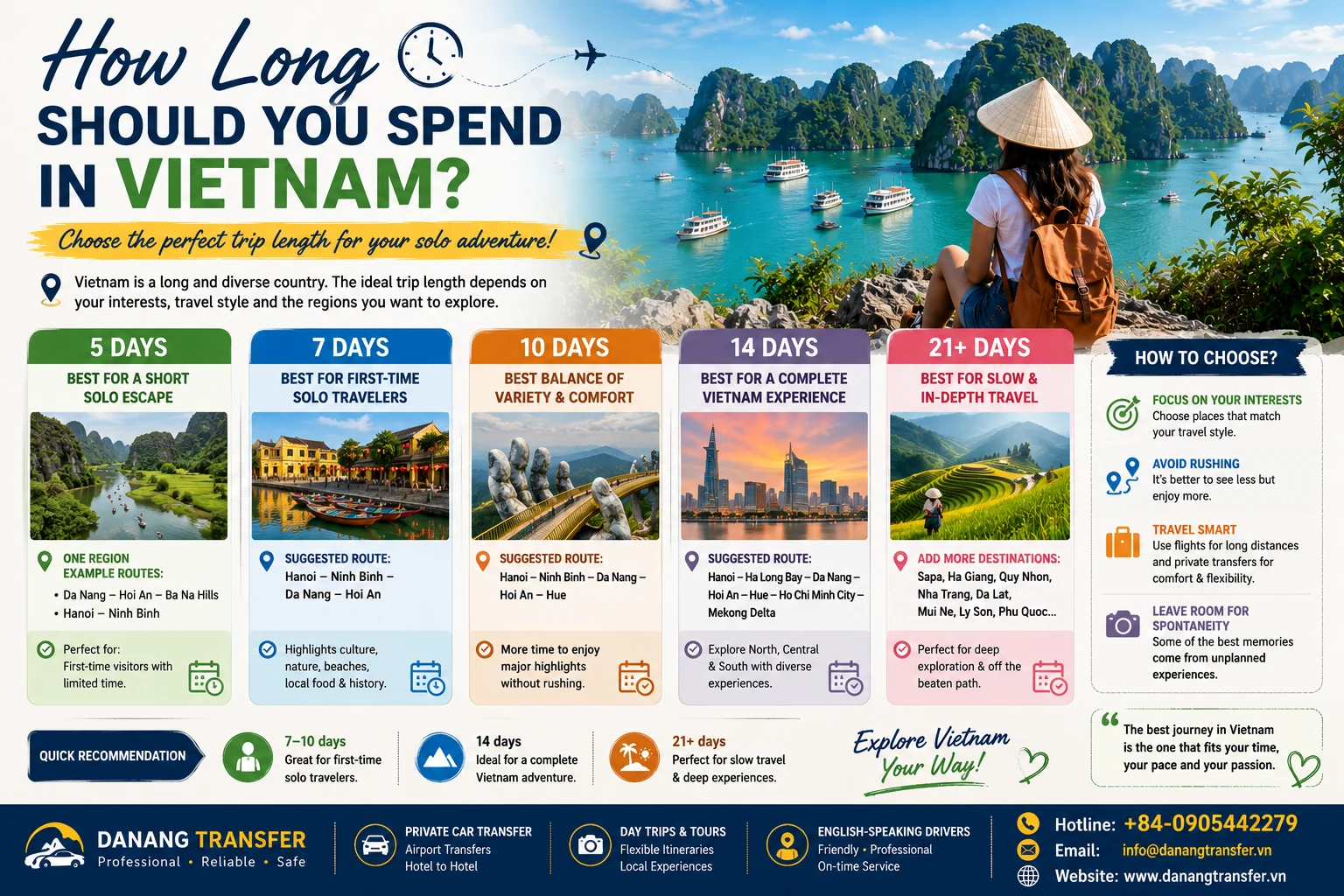
For most first-time solo travelers, 7 to 14 days in Vietnam is a good starting point. If you have more time, spending 2–3 weeks allows you to explore the country more comfortably without spending too much time traveling between destinations.
5 Days in Vietnam – Best for a Short Solo Escape
Five days is enough for a focused trip, but it is better to choose one region rather than trying to travel from north to south.
For example:
Option 1: Da Nang – Hoi An – Ba Na Hills
- Day 1: Arrive in Da Nang and explore the city
- Day 2: Son Tra Peninsula and Marble Mountains
- Day 3: Ba Na Hills and Golden Bridge
- Day 4: Hoi An Ancient Town
- Day 5: Hoi An or Da Nang and departure
Option 2: Hanoi – Ninh Binh
- Day 1–2: Explore Hanoi
- Day 3: Travel to Ninh Binh
- Day 4: Trang An, Mua Cave and countryside
- Day 5: Return to Hanoi and depart
For a more detailed short itinerary, see our Vietnam 5-Day Itinerary for First-Time Visitors.
7 Days in Vietnam – Best for First-Time Solo Travelers
A 7-day Vietnam itinerary is one of the most practical choices for solo travelers visiting Vietnam for the first time.
Rather than trying to cover the entire country, focus on two or three destinations.
A popular route is:
Hanoi → Ninh Binh → Da Nang → Hoi An
This itinerary combines:
- Vietnamese culture and history
- Nature and scenic landscapes
- Beaches
- Local food
- Ancient architecture
- Relaxed solo travel experiences
Another option is to focus entirely on Central Vietnam:
Da Nang → Hoi An → Hue
This route is especially convenient because the destinations are relatively close together and can be connected by private car.
For a complete itinerary, read our Vietnam 7-Day Itinerary: Best One-Week Travel Plan for First-Time Visitors.
10 Days in Vietnam – Best Balance of Variety and Comfort
If you have 10 days, you can experience more of Vietnam without making your trip excessively rushed.
A recommended route is:
Hanoi → Ninh Binh → Da Nang → Hoi An → Hue
Example:
- Days 1–2: Hanoi
- Day 3: Ninh Binh
- Day 4: Return to Hanoi and fly to Da Nang
- Days 5–6: Da Nang
- Day 7: Ba Na Hills
- Day 8: Hoi An
- Day 9: Hue
- Day 10: Return to Da Nang and depart
This route is particularly suitable for solo travelers because it combines major highlights with enough time to enjoy local cafés, food, beaches, and independent exploration.
For a more detailed route, see our Vietnam 10-Day Itinerary: The Ultimate Travel Plan for First-Time Visitors.
14 Days in Vietnam – Best for a More Complete Experience
With two weeks in Vietnam, you can comfortably combine northern, central, and southern destinations.
A possible itinerary is:
Hanoi → Ninh Binh → Ha Long Bay → Da Nang → Hoi An → Hue → Ho Chi Minh City
A sample schedule could look like:
- Days 1–2: Hanoi
- Day 3: Ninh Binh
- Days 4–5: Ha Long Bay
- Day 6: Fly to Da Nang
- Days 7–8: Da Nang
- Day 9: Ba Na Hills
- Day 10: Hoi An
- Day 11: Hue
- Day 12: Fly to Ho Chi Minh City
- Day 13: Explore Ho Chi Minh City
- Day 14: Mekong Delta or departure
This itinerary gives solo travelers a much broader introduction to Vietnam, from northern landscapes and traditional culture to Central Vietnam’s beaches and historic towns and the energetic atmosphere of the south.
21 Days in Vietnam – Best for Slow and Independent Travel
If you have three weeks or more, you can slow down and experience Vietnam beyond the major tourist destinations.
Consider adding:
- Sapa
- Ha Giang
- Quy Nhon
- Nha Trang
- Da Lat
- Mui Ne
- Ly Son Island
- Mekong Delta
A longer trip also gives you more flexibility to stay an extra night when you discover a destination you particularly enjoy.
For solo travelers, this can be one of the biggest advantages of having more time: you don’t have to rush from one destination to another.
How Many Days Should You Spend in Each Region?
A simple way to plan your Vietnam solo trip is to divide the country into three regions.
Northern Vietnam: 4–7 Days
Consider:
- Hanoi
- Ninh Binh
- Ha Long Bay
- Sapa
Northern Vietnam is ideal for travelers interested in history, culture, mountains, trekking, and dramatic landscapes.
Read our Northern Vietnam Travel Guide for more ideas.
Central Vietnam: 4–7 Days
Consider:
- Da Nang
- Hoi An
- Hue
- Quy Nhon
- Nha Trang
- Da Lat
- Ly Son Island
Central Vietnam is particularly attractive for solo travelers because you can combine beaches, food, history, nature, and cultural experiences without covering enormous distances.
Our Central Vietnam Travel Guide provides more information.
Southern Vietnam: 3–5 Days
Consider:
- Ho Chi Minh City
- Mekong Delta
- Mui Ne
The south is a good choice for travelers interested in vibrant cities, food, nightlife, river experiences, and coastal relaxation.
How Long Is Enough for a First Solo Trip to Vietnam?
For most first-time visitors, 7–10 days is enough to experience Vietnam without feeling excessively rushed, especially if you concentrate on one or two regions.
If you have 14 days, you can create a much more diverse itinerary covering northern, central, and southern Vietnam.
If you have three weeks or more, consider slowing down and adding destinations such as Sapa, Quy Nhon, Nha Trang, Da Lat, Mui Ne, or Ly Son Island.
Our Recommendation
| Trip Length | Recommended Travel Style |
|---|---|
| 5 days | One region, short solo escape |
| 7 days | 2–3 destinations, first-time highlights |
| 10 days | Balanced Vietnam experience |
| 14 days | North + Central + South |
| 21+ days | Slow travel and deeper exploration |
The key is not to visit as many places as possible. Vietnam is best enjoyed when you leave enough time to explore local neighborhoods, try regional food, relax at cafés, meet people, and occasionally change your plans.
For more trip-planning inspiration, explore our How to Plan a 7-Day Trip in Vietnam and Vietnam Travel Guide 2026.
Best Time to Visit Vietnam?
Vietnam is a year-round destination, but the best time to visit Vietnam depends on where you want to go. Because the country stretches from the mountains of the north to the tropical beaches of the south, weather conditions can be very different between regions at the same time of year.
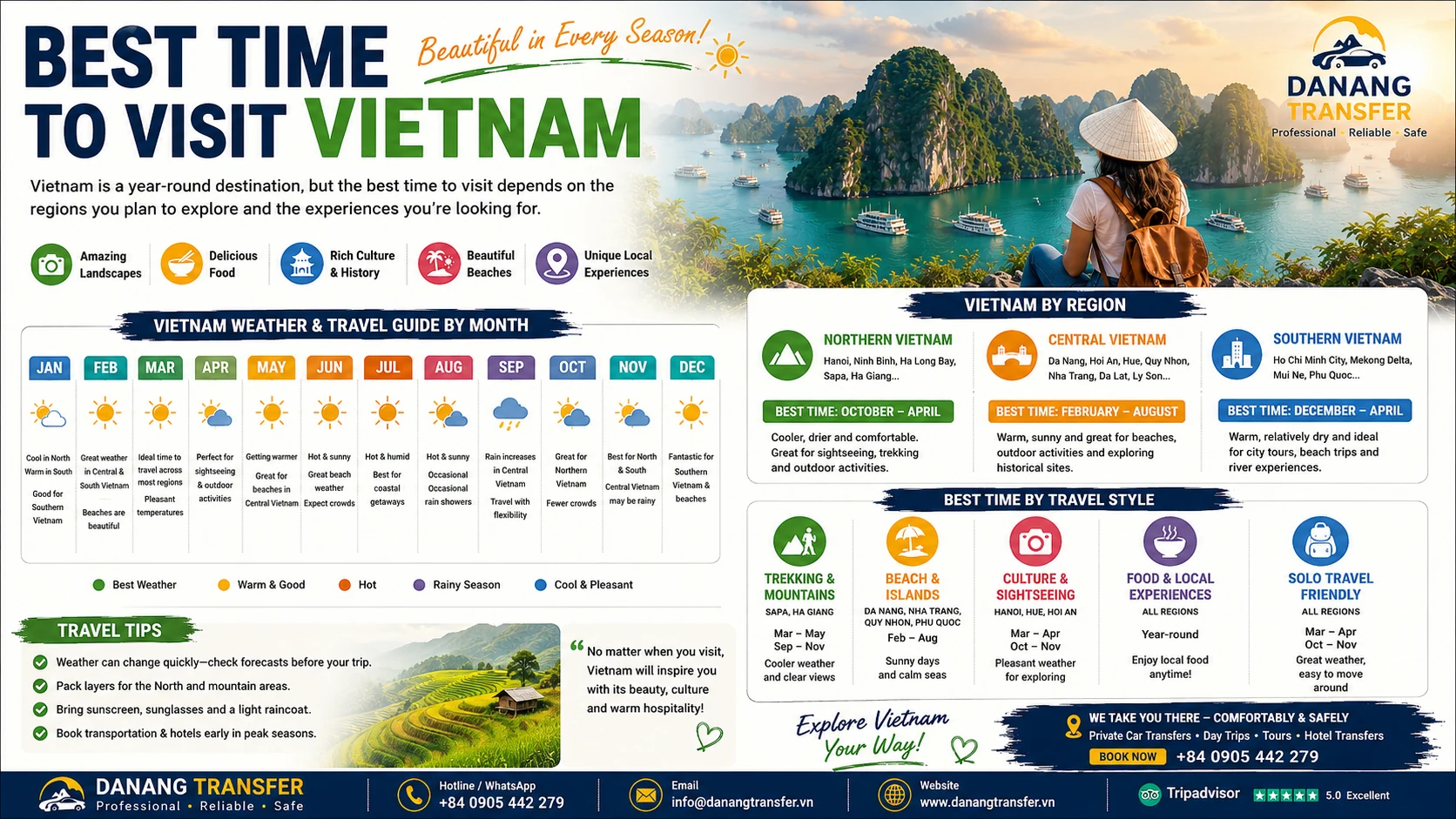
For most travelers, March to April and October to November are excellent periods to explore multiple regions, while travelers focusing on a specific destination can choose their dates based on the local climate.
For solo travelers, choosing the right season can make a big difference. Good weather means more comfortable sightseeing, easier transportation, better outdoor experiences, and greater flexibility when planning your itinerary.
Vietnam Weather by Region
Vietnam can broadly be divided into Northern, Central, and Southern Vietnam, each with its own weather patterns.
| Region | Best Time to Visit | Main Weather Characteristics |
|---|---|---|
| Northern Vietnam | October–April | Cooler, drier and generally comfortable |
| Central Vietnam | February–August | Warm, sunny and suitable for beaches |
| Southern Vietnam | December–April | Warm, relatively dry and ideal for outdoor activities |
These are general guidelines rather than fixed rules. Weather can vary from year to year, so always check the forecast shortly before your trip.
Best Time to Visit Northern Vietnam
Northern Vietnam includes Hanoi, Ninh Binh, Ha Long Bay, Sapa, and Ha Giang.
October to December – Cool and Comfortable
This is one of the most pleasant periods for exploring northern Vietnam.
You can enjoy:
- Comfortable temperatures in Hanoi
- Clearer skies
- Scenic landscapes in Ninh Binh
- Pleasant conditions for Ha Long Bay cruises
- Beautiful autumn scenery
- Trekking opportunities in northern mountain areas
October and November are particularly attractive for travelers who want to combine city sightseeing with outdoor activities.
January to March – Cooler Winter Weather
Northern Vietnam can become surprisingly cool during winter, particularly in mountain areas such as Sapa and Ha Giang.
Hanoi can also feel chilly and humid.
If you plan to visit during this period, pack layers and a light jacket.
April to June – Warmer and More Humid
Temperatures begin to rise, and humidity increases.
However, April can still be a good month for sightseeing before the hottest summer weather arrives.
July to September – Hot, Humid and Rainy
Summer brings higher temperatures and frequent rain.
Mountain areas can experience heavier rainfall, while storms may occasionally affect northern coastal destinations.
For trekking and outdoor adventures, check local weather conditions before traveling.
Best Time to Visit Central Vietnam
Central Vietnam is one of the best regions for travelers who want to combine beaches, culture, food, and scenic road trips.
Popular destinations include:
- Da Nang
- Hoi An
- Hue
- Quy Nhon
- Nha Trang
- Da Lat
- Ly Son Island
February to May – One of the Best Periods
This is generally an excellent period to explore Central Vietnam.
You can enjoy:
- Comfortable temperatures
- Beach activities
- Hoi An sightseeing
- Da Nang city tours
- Hue historical attractions
- Scenic road trips
- Outdoor activities
For solo travelers, this period is especially convenient because you can combine sightseeing with beach relaxation without dealing with excessive heat or heavy rain.
Explore our Central Vietnam Travel Guide: Da Nang, Hoi An & Hue for more itinerary ideas.
June to August – Hot and Sunny
Summer is popular for beach holidays in Da Nang, Hoi An, Quy Nhon, and Nha Trang.
Expect:
- Hot temperatures
- Strong sunshine
- High humidity
- Excellent beach conditions on many days
If you are comfortable with the heat, this can be a great time for a coastal trip.
Start outdoor sightseeing early in the morning and schedule indoor attractions or cafés during the hottest part of the afternoon.
September to January – Rainy Season
Central Vietnam generally receives more rain toward the end of the year.
Da Nang, Hoi An, and Hue can experience periods of heavy rain, and tropical storms may occasionally affect the region.
Travelers visiting during these months should keep their itinerary flexible and check weather forecasts regularly.
For more information, see our Best Time to Visit Vietnam: Weather by Month and Region.
Best Time to Visit Da Nang and Hoi An
For travelers planning a Central Vietnam itinerary, February to August is generally a favorable period for Da Nang and Hoi An.
February–May
Ideal for:
- Walking around Hoi An Ancient Town
- Visiting Marble Mountains
- Exploring Son Tra Peninsula
- Relaxing at My Khe Beach
- Taking day trips to Ba Na Hills
- Traveling between Da Nang and Hoi An
June–August
Best suited to travelers who prioritize:
- Beaches
- Swimming
- Island trips
- Sunny weather
- Coastal activities
The weather can be hot, so early morning and late afternoon are usually more comfortable for outdoor sightseeing.
Best Time to Visit Quy Nhon
Quy Nhon is an excellent destination for travelers looking for quieter beaches and a relaxed coastal atmosphere.
The spring and summer months are generally attractive for beach activities and coastal sightseeing.
Consider visiting:
- Ky Co Beach
- Eo Gio
- Hon Kho Island
- Queen’s Beach
- Cham towers
If you want a comfortable way to explore the area, consider a Quy Nhon Private Car for flexible transportation between beaches, attractions, and hotels.
Best Time to Visit Nha Trang
Nha Trang is famous for its beaches, islands, diving, snorkeling, and coastal activities.
A generally favorable period is January to August, with particularly good conditions during the drier months.
This is a good time for:
- Island hopping
- Snorkeling
- Diving
- Beach holidays
- Visiting Po Nagar Cham Towers
- Exploring local seafood restaurants
If you are flying into the region, a Cam Ranh Airport Private Car Transfer can provide a convenient transfer to your Nha Trang hotel.
Best Time to Visit Da Lat
Da Lat has a cooler climate than many other destinations in southern and central Vietnam, making it a pleasant year-round escape.
The dry season from roughly November to April is particularly popular for exploring:
- Flower gardens
- Xuan Huong Lake
- Da Lat Market
- Waterfalls
- Coffee farms
- Mountain viewpoints
Da Lat is an excellent choice for solo travelers who want cooler weather, nature, photography, and a slower pace.
Best Time to Visit Mui Ne
Mui Ne is best known for its beaches, sand dunes, seafood, and outdoor activities.
The drier months are generally favorable for visiting Mui Ne, particularly if your itinerary includes:
- White Sand Dunes
- Red Sand Dunes
- Fairy Stream
- Beach activities
- Kitesurfing
- Sunrise photography
Early mornings are especially enjoyable for visiting the dunes because temperatures are more comfortable and the light is excellent for photography.
Best Time to Visit Southern Vietnam
Southern Vietnam includes Ho Chi Minh City, the Mekong Delta, and destinations such as Mui Ne.
December to April – Dry Season
This is generally the most convenient period for exploring southern Vietnam.
You can expect:
- Warm temperatures
- Less rainfall
- Good conditions for city sightseeing
- Comfortable Mekong Delta excursions
- Favorable conditions for outdoor activities
May to November – Rainy Season
The rainy season brings higher humidity and more frequent showers.
However, rain does not necessarily mean you should avoid southern Vietnam.
Many showers are relatively short, leaving plenty of time for sightseeing. The rainy season can also bring greener landscapes and fewer visitors.
Is Vietnam Safe for Solo Travelers?
Yes. Vietnam is generally considered a safe destination for solo travelers, but normal precautions are still important.
Vietnam Tourism describes Vietnam as a safe destination for solo explorers and notes that major urban areas have international clinics and hospitals.
Solo travelers should still:
- Keep your phone and wallet secure
- Be careful with belongings in crowded areas
- Avoid displaying large amounts of cash
- Use reputable transportation providers
- Keep copies of important documents
- Avoid walking alone in unfamiliar areas late at night
- Tell someone your itinerary when traveling to remote areas
- Check prices before agreeing to services
Female solo travelers should take the same basic precautions. Vietnam Tourism notes that Vietnam is considered a safe destination for solo female travelers, while also warning travelers about risks such as bag snatching in busy cities.
For more practical advice, read Safety Tips in Vietnam: Common Scams & How to Avoid Them.
Vietnam Solo Travel Safety Tips for Women
Vietnam can be a comfortable destination for solo female travelers, but preparation is still important.
1. Choose accommodation in convenient areas
Stay near central areas with restaurants, cafes, shops, and easy transportation.
2. Avoid isolated areas at night
If you return late, use a reputable taxi, ride-hailing service, or pre-arranged private transfer.
3. Protect your belongings
Keep your phone and bag away from the roadside when walking beside busy traffic.
Let someone at home know where you are staying and where you plan to travel.
5. Trust your instincts
If a situation feels uncomfortable, leave and move somewhere public.
Getting Around Vietnam as a Solo Traveler
Vietnam offers many transportation options.
According to Vietnam Tourism, travelers can use domestic flights, trains, sleeper buses, limousine vans, taxis, boats, and other forms of transport depending on the route.
Domestic Flights
Flying is usually the best option for long distances.
For example:
- Hanoi → Da Nang
- Hanoi → Ho Chi Minh City
- Ho Chi Minh City → Da Nang
- Da Nang → Nha Trang
Flights save considerable travel time when compared with long-distance road journeys.
Trains
Vietnam’s railway network is ideal for travelers who want to enjoy the scenery.
The Reunification Express connects major cities along the coast.
Train travel is slower than flying but can be a memorable part of the journey.
Sleeper Buses
Sleeper buses are useful for budget-conscious solo travelers.
They are especially common on routes such as:
- Hanoi → Sapa
- Hanoi → Ninh Binh
- Da Nang → Hoi An
- Da Nang → Hue
- Ho Chi Minh City → Mui Ne
Should Solo Travelers Rent a Car in Vietnam?
For most foreign travelers, self-driving is not necessarily the easiest option.
Traffic can be busy and road conditions vary significantly between cities and rural areas.
Instead, consider hiring a private car with a professional driver when you need:
- Airport transfers
- Long-distance private transportation
- Day trips
- Multi-stop sightseeing
- Hotel-to-hotel transfers
- Transportation with luggage
Learn more in Is It Worth Renting a Car in Vietnam? and Self-Drive vs. Car Rental With Driver in Vietnam.
Private Car Transfers for Solo Travelers
A private car can be particularly useful when traveling alone if you value comfort, privacy, and flexibility.
For example, instead of joining a fixed group tour, you can arrange a private transfer from Da Nang to Hoi An and decide when to leave.
Danang Transfer provides private transportation services across major destinations in Central Vietnam, including:
- Da Nang Private Car
- Hoi An Private Car
- Hue Private Car
- Da Nang Airport Transportation
- Private Driver in Vietnam
A private transfer is especially useful for routes such as Da Nang → Ba Na Hills, Da Nang → Hoi An, Da Nang → Hue, or airport → hotel.
How Much Does Solo Travel in Vietnam Cost?
Vietnam can work for different travel budgets.
Your daily spending depends on your accommodation, transportation, activities, and dining choices.
Budget Solo Traveler
A budget traveler can save money by choosing:
- Hostels
- Local restaurants
- Public transportation
- Sleeper buses
- Free attractions
- Affordable activities
Mid-Range Solo Traveler
A mid-range traveler might choose:
- Comfortable private rooms
- Boutique hotels
- Local and international restaurants
- Occasional private transfers
- Organized day tours
Premium Solo Traveler
Travelers looking for more comfort can choose:
- Luxury hotels
- Private cars
- Private guides
- Premium cruises
- High-end restaurants
- Private tours
Vietnam’s official tourism site notes that the Vietnamese đồng (VND/₫) is the local currency and that cash remains useful for smaller purchases, while cards are widely accepted at many hotels, restaurants, shops, and tour operators.
For transportation planning, see Vietnam Transportation Guide 2026.
Where Should Solo Travelers Stay in Vietnam?
Choose accommodation based on the experience you want.
Hanoi
Stay around:
- Old Quarter
- Hoan Kiem
- French Quarter
Da Nang
Good areas include:
- My Khe Beach
- An Thuong
- Han River area
- City center
Hoi An
Consider:
- Ancient Town
- Cam Chau
- Cam Pho
- An Bang Beach
Ho Chi Minh City
Popular areas include:
- District 1
- District 3
- Thao Dien
For solo travelers, staying somewhere central can reduce transportation costs and make it easier to meet other travelers.
Vietnamese Food Every Solo Traveler Should Try
Vietnam is one of the world’s best destinations for food lovers.
Don’t leave without trying:
Pho
Vietnam’s famous noodle soup is available throughout the country.
Banh Mi
A crispy Vietnamese baguette filled with meat, vegetables, herbs, and sauces.
Bun Cha
A Hanoi specialty featuring grilled pork, noodles, herbs, and dipping sauce.
Mi Quang
A Central Vietnamese noodle dish associated with Quang Nam and Da Nang.
Cao Lau
A Hoi An specialty with noodles, herbs, pork, and crispy toppings.
Bun Bo Hue
A spicy and flavorful noodle soup from Hue.
Com Tam
Broken rice served with grilled meat and other toppings, especially popular in southern Vietnam.
Vietnamese Coffee
Try traditional Vietnamese iced coffee with condensed milk, or explore the country’s growing specialty coffee scene.
Solo travel makes food exploration easy because you can stop for a quick bowl of noodles or coffee without coordinating with a group.
How to Meet People While Traveling Alone in Vietnam
Solo travel does not mean you have to be alone.
Good ways to meet people include:
- Staying in social hostels
- Joining walking tours
- Taking cooking classes
- Joining food tours
- Participating in group excursions
- Joining hiking trips
- Visiting local cafes
- Taking group cruises
- Joining language exchanges
A good strategy is to mix independent days with occasional group activities.
This gives you privacy while still creating opportunities to meet other travelers.
Essential Vietnamese Phrases for Solo Travelers
Learning a few basic Vietnamese expressions can make your trip easier.
Hello
Xin chào
Thank you
Cảm ơn
Goodbye
Tạm biệt
How much?
Bao nhiêu tiền?
Too expensive
Đắt quá!
Yes
Vâng / Dạ
No
Không
For additional language tips, see How to Say Hello & Thank You in Vietnam.
Vietnam Visa Requirements for Solo Travelers
Before traveling, check your visa requirements based on your passport and nationality.
Vietnam’s official e-visa system states that the e-visa can be valid for up to 90 days and can be issued for either single or multiple entry.
The official application process involves completing the application, making the payment, and receiving the e-visa online.
Always use the official Vietnamese Immigration e-visa portal for your application:
Vietnam National Electronic Visa System
Visa rules can change, so check the latest requirements before departure.
You can also read our detailed Vietnam Visa Guide 2026.
What to Pack for a Solo Trip to Vietnam

Keep your luggage practical and lightweight.
Essential items
- Passport
- Visa/e-visa documents if required
- Travel insurance
- Phone
- Power bank
- Universal adapter
- Lightweight clothing
- Comfortable walking shoes
- Rain jacket
- Sunscreen
- Insect repellent
- Small day bag
- Basic medications
- Reusable water bottle
If you are traveling across multiple regions, prepare for changing weather conditions.
Solo Travel Packing Strategy
One of the biggest advantages of traveling alone is mobility.
Try to pack light enough that you can comfortably:
- Carry your luggage onto buses
- Move between hotels
- Take trains
- Use taxis
- Walk short distances
- Change destinations without difficulty
A backpack or small suitcase is usually easier than large checked luggage for a multi-city trip.
Common Mistakes Solo Travelers Should Avoid
1. Trying to see everything
Vietnam is longer than it looks on a map.
Avoid planning Hanoi, Ha Long Bay, Da Nang, Hoi An, Hue, Nha Trang, Ho Chi Minh City, and the Mekong Delta in one week.
2. Underestimating travel time
Road journeys can take longer than expected because of traffic and road conditions.
3. Booking everything too early
Leave some flexibility in your itinerary.
4. Ignoring weather
Vietnam’s climate varies significantly between regions.
5. Carrying too much cash
Carry enough cash for small purchases, but don’t keep all your money in one place.
6. Choosing transportation only by price
The cheapest option isn’t always the most comfortable or convenient, especially when traveling alone with luggage.
7. Not having travel insurance
Travel insurance can provide valuable protection against unexpected medical issues, cancellations, lost luggage, and other problems.
Sample 10-Day Vietnam Solo Travel Itinerary
Here’s a balanced itinerary for first-time solo travelers.
Day 1 – Hanoi
Arrive in Hanoi and explore the Old Quarter.
Day 2 – Hanoi
Visit Hoan Kiem Lake, the Temple of Literature, local markets, and traditional cafes.
Day 3 – Ninh Binh
Travel to Ninh Binh and explore Trang An or Tam Coc.
Day 4 – Ninh Binh → Da Nang
Return to Hanoi and fly to Da Nang.
Day 5 – Da Nang
Explore My Khe Beach, Son Tra Peninsula, and Lady Buddha.
Day 6 – Ba Na Hills
Visit the Golden Bridge and Ba Na Hills.
Day 7 – Hoi An
Travel to Hoi An and explore the Ancient Town.
Day 8 – Hoi An
Enjoy a relaxed day with cycling, local food, coffee, or a cooking class.
Day 9 – Hue
Take a day trip to Hue via Hai Van Pass or stay overnight depending on your schedule.
Day 10 – Departure
Return to Da Nang Airport or continue to another destination.
For a broader itinerary, see Vietnam 10-Day Itinerary: The Ultimate Travel Plan.
Best Travel Tips for Solo Travelers in Vietnam
Here are some practical tips to make your journey easier:
Book your first night before arrival.
Having accommodation arranged makes your arrival much less stressful.
Keep your itinerary flexible.
Don’t plan every hour of your trip.
Use reputable transportation.
For airport transfers and longer private journeys, pre-booking can save time and reduce uncertainty.
Carry small amounts of cash.
Small restaurants and local shops may prefer cash.
Download offline maps.
They can be useful when you don’t have mobile data.
Get a local SIM or eSIM.
Reliable internet makes navigation and communication easier.
Respect Vietnamese culture.
Dress appropriately when visiting temples and religious sites.
Stay hydrated.
Vietnam can be hot and humid, particularly during summer.
Learn a few Vietnamese phrases.
Even simple words such as “Cảm ơn” can make interactions more pleasant.
Is Vietnam Good for First-Time Solo Travelers?
Absolutely.
Vietnam combines many of the qualities that make a destination suitable for independent travel:
- Diverse destinations
- Affordable food
- Many accommodation choices
- Good transportation connections
- Rich culture
- Beautiful scenery
- Friendly hospitality
- Excellent street food
- Plenty of activities for different travel styles
The key is not to rush.
Choose two or three regions and explore them properly instead of trying to see the entire country in one trip.
Final Thoughts: Vietnam Solo Travel Guide
Traveling alone in Vietnam can be an unforgettable experience.
You can start your morning with Vietnamese coffee in Hanoi, explore ancient temples in Ninh Binh, relax on My Khe Beach in Da Nang, watch lanterns illuminate Hoi An, discover the history of Hue, and finish your journey with street food in Ho Chi Minh City.
The best part of solo travel is the freedom to create your own schedule.
Whether you want adventure, culture, food, beaches, photography, or simply time away from your normal routine, Vietnam offers plenty of opportunities to build your own journey.
For a smoother trip, plan your main transportation and accommodation in advance while keeping enough flexibility to discover unexpected places along the way.
Ready to explore Vietnam on your own? Plan your route, pack light, stay curious, and let Vietnam become your next great adventure.
Frequently Asked Questions About Solo Travel in Vietnam
Is Vietnam safe for solo travelers?
Yes. Vietnam is generally considered a safe destination for solo travelers. However, normal precautions are recommended, particularly in busy cities and crowded tourist areas.
Is Vietnam good for solo female travelers?
Yes. Vietnam is generally suitable for solo female travelers. Stay aware of your surroundings, protect your belongings, and use reputable transportation, particularly at night.
How many days do I need for Vietnam?
For a first visit, 7–14 days is a practical range. Seven days allows you to explore a few destinations, while 10–14 days gives you more time to travel between regions.
What is the best city in Vietnam for solo travelers?
Da Nang, Hanoi, and Hoi An are among the easiest destinations for solo travelers, but the best choice depends on your interests.
Is it easy to travel around Vietnam alone?
Yes. Vietnam has domestic flights, trains, buses, limousine vans, taxis, and private car services connecting major destinations.
Can I rent a car and drive myself in Vietnam?
Foreign visitors should carefully check the legal requirements before considering self-driving. For many travelers, hiring a car with a professional driver is a simpler and more comfortable alternative.
Do I need a visa for Vietnam?
Visa requirements depend on your nationality and travel circumstances. Vietnam currently offers e-visas through its official immigration system, with e-visas available for up to 90 days and single or multiple entry.
What is the best way to travel between cities in Vietnam?
For long distances, domestic flights are usually the fastest option. Trains and sleeper buses are useful alternatives when you want to save money or experience overland travel.
Is Vietnam expensive for solo travelers?
Vietnam can be affordable for budget travelers while also offering excellent mid-range and luxury options. Your total cost depends largely on accommodation, transportation, activities, and dining choices.
Should I book private transportation as a solo traveler?
Private transportation is especially useful for airport transfers, day trips, multi-stop journeys, and routes where you want flexibility and comfort without joining a group.
For more information, explore: