English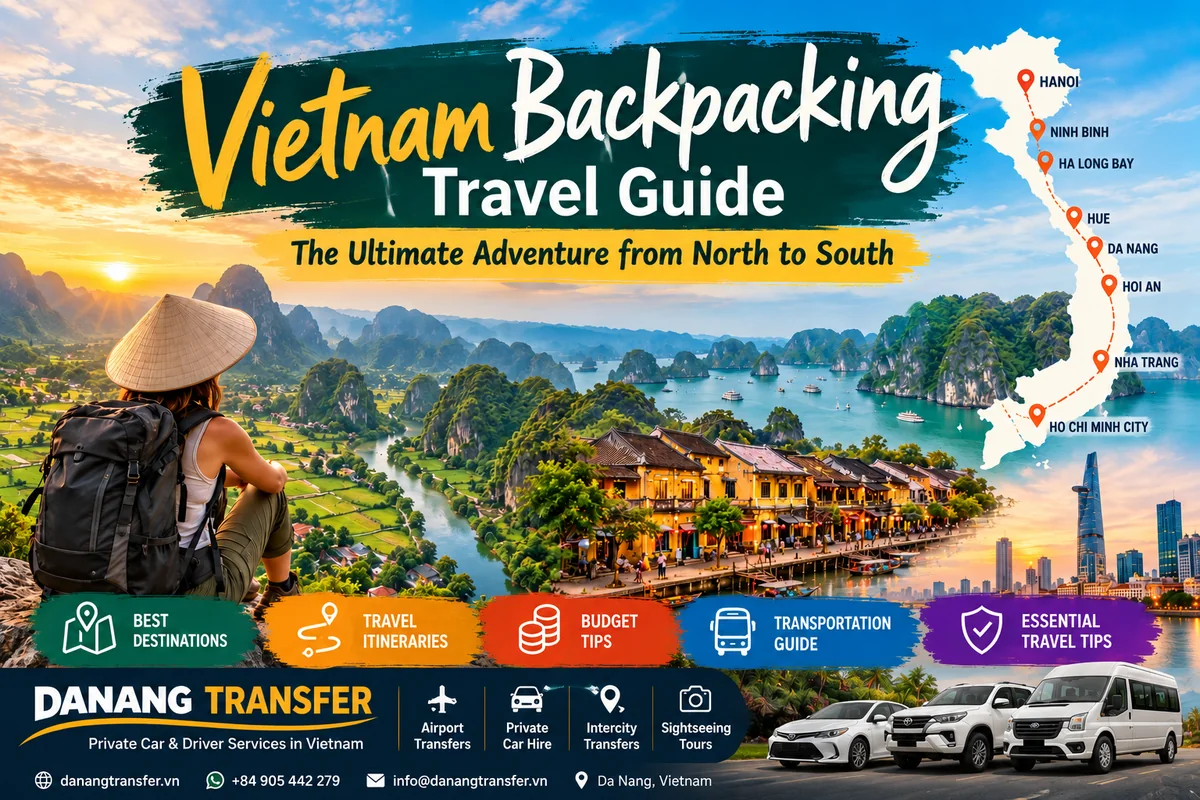
Vietnam is one of Southeast Asia’s most rewarding backpacking destinations. From the spectacular mountain landscapes of Ha Giang and the peaceful countryside of Ninh Binh to the ancient streets of Hoi An and the vibrant atmosphere of Ho Chi Minh City, the country offers an incredible variety of experiences for independent travelers.
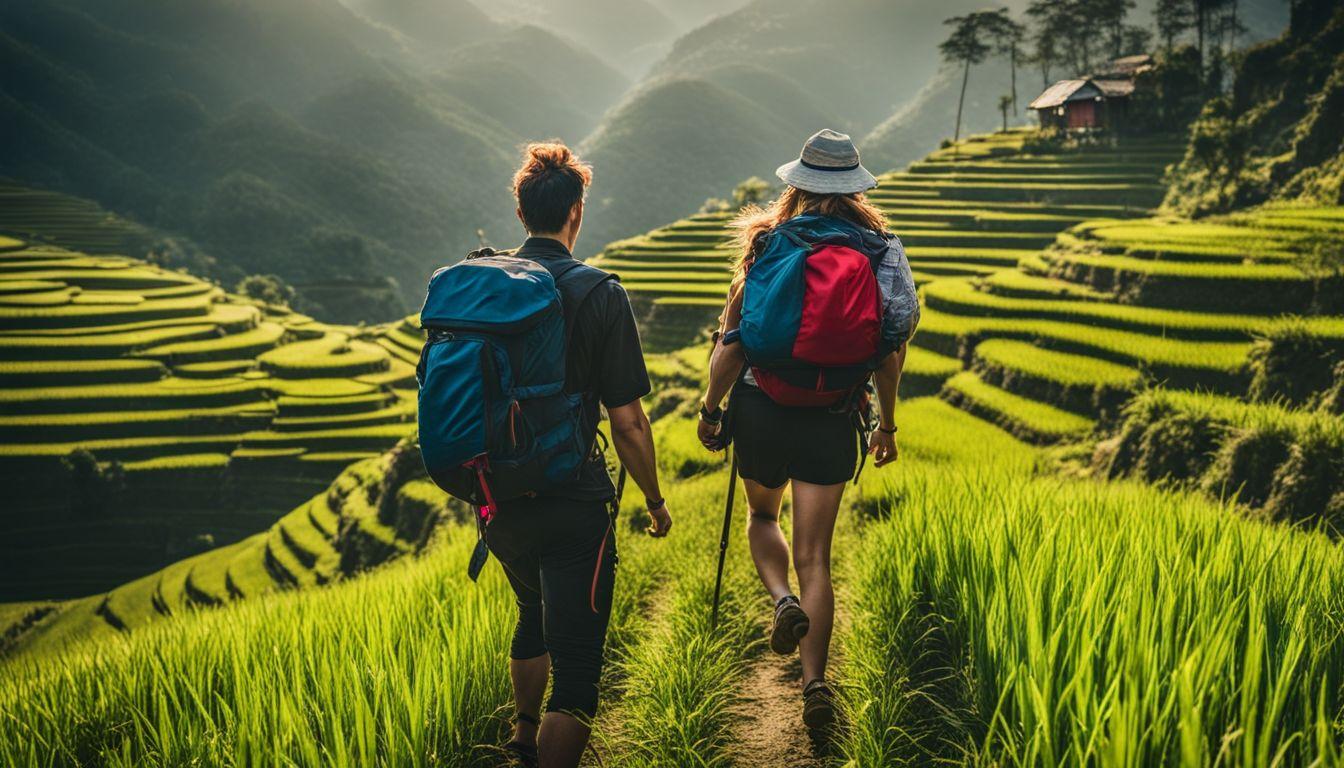
What makes backpacking in Vietnam particularly attractive is the combination of affordable accommodation, delicious street food, fascinating cultural experiences, breathtaking scenery, and convenient transportation.
Whether you’re a solo backpacker, a couple traveling on a budget, or a group of friends planning an adventure across Southeast Asia, Vietnam offers opportunities to explore without spending a fortune.
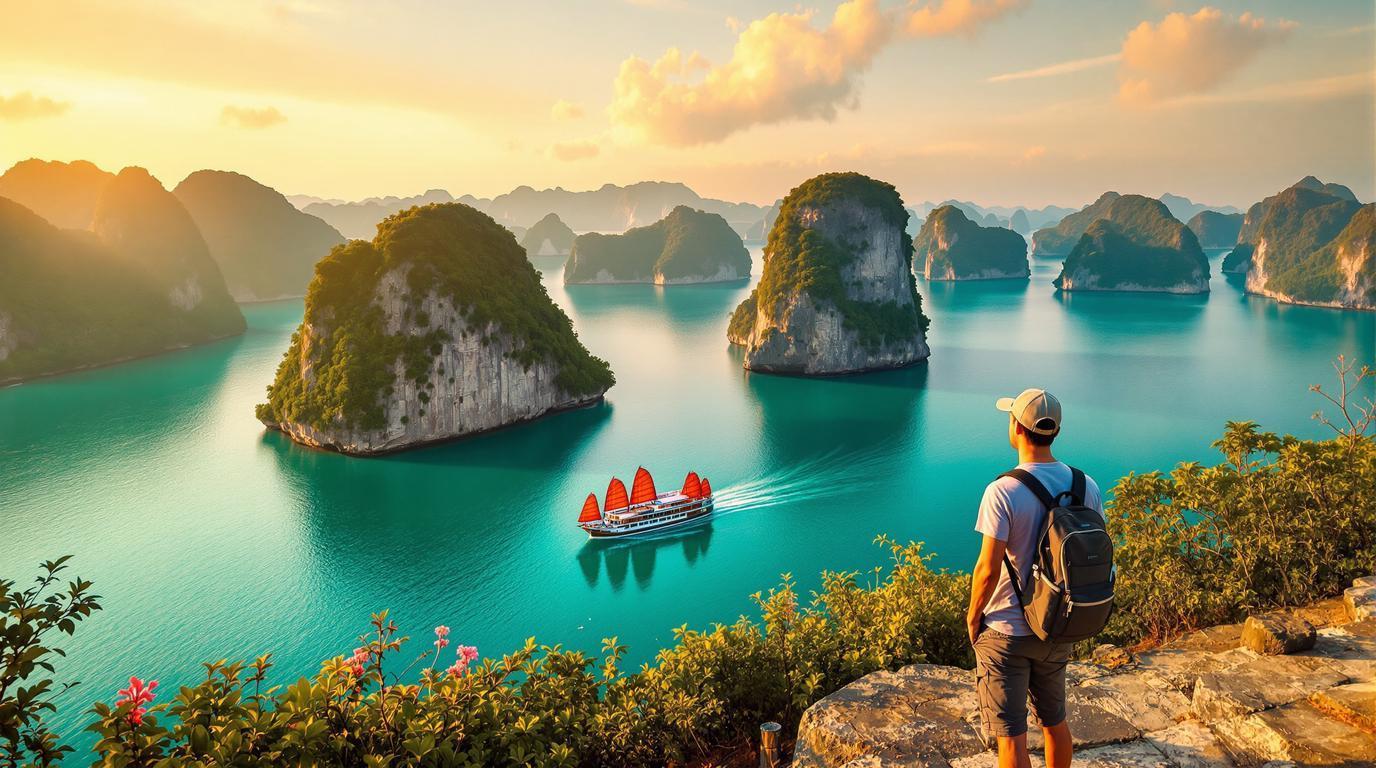
However, planning a successful backpacking trip requires more than simply choosing destinations. Understanding regional weather patterns, transportation options, accommodation costs, visa requirements, and travel distances can make a significant difference to your experience.
This comprehensive Vietnam Backpacking Travel Guide 2026 covers everything you need to plan your adventure, including recommended itineraries, realistic travel budgets, must-visit destinations, transportation advice, safety considerations, and practical money-saving tips.
If this is your first visit to the country, we also recommend reading our Ultimate Vietnam Travel Guide for First-Time Visitors.
1. Why Vietnam Is One of the Best Countries for Backpacking
Vietnam has become a popular destination for backpackers because it offers an excellent balance of affordability, accessibility, cultural diversity, and adventure.
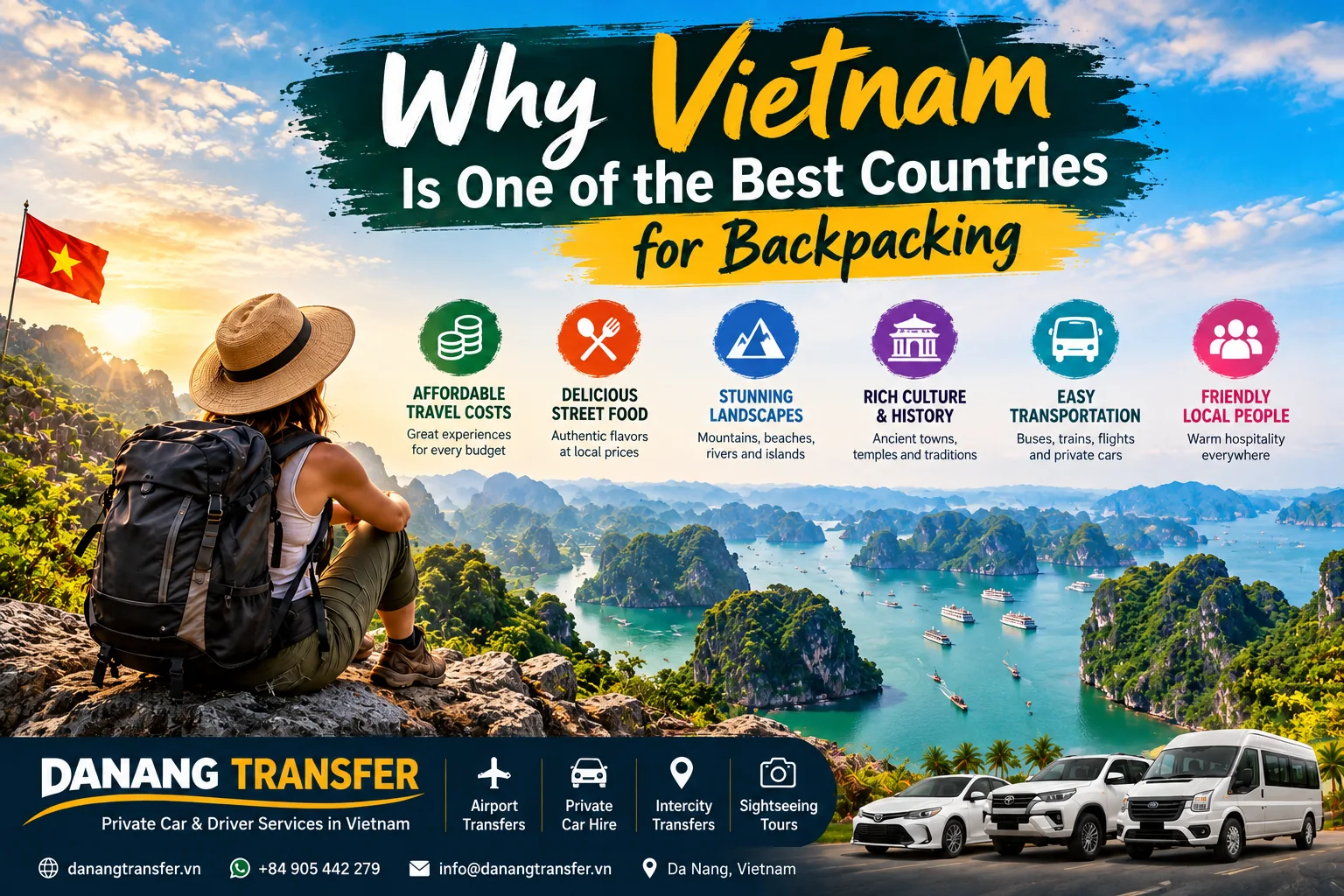
Discover why Vietnam is a fantastic backpacking destination, with affordable travel, delicious street food, breathtaking landscapes and convenient transportation.
Unlike destinations where traveling independently requires a substantial budget, Vietnam provides numerous opportunities to explore remarkable places while keeping daily expenses relatively low.
Affordable accommodation and food
Accommodation is available for almost every travel budget.
In major backpacking destinations such as Hanoi, Da Nang, Hoi An, Nha Trang, and Ho Chi Minh City, travelers can find inexpensive hostel dormitories, comfortable guesthouses, homestays, and affordable private hotel rooms.
Vietnamese street food is another major advantage.
A freshly prepared banh mi, a bowl of pho, or a traditional rice dish often costs considerably less than meals at international restaurants.
Eating at local establishments not only helps reduce expenses but also provides opportunities to experience authentic Vietnamese cuisine.
Diverse landscapes and outdoor adventures
Vietnam offers an extraordinary variety of landscapes.
Northern Vietnam is famous for its spectacular mountains, terraced rice fields, winding roads, and traditional villages.
Central Vietnam combines historical cities, beautiful beaches, tropical forests, and impressive mountain passes.
Southern Vietnam offers energetic cities, peaceful waterways, floating markets, and tropical islands.
Backpackers can experience several completely different environments during a single journey.
Convenient transportation between destinations
Vietnam has an extensive transportation network connecting its major cities and tourist destinations.
Long-distance buses, overnight trains, domestic flights, and private transportation services make it possible to explore the country without owning or renting a vehicle.
For backpackers traveling together, sharing the cost of a private car can sometimes be a practical alternative to purchasing several individual transportation tickets.
For a detailed comparison, explore our Vietnam Transportation Guide 2026.
2. Best Backpacking Destinations in Vietnam
One of the most important decisions when planning a backpacking adventure is choosing which destinations to visit.
Vietnam stretches more than 1,600 kilometers from north to south, so attempting to explore the entire country in a short period can result in excessive travel time.
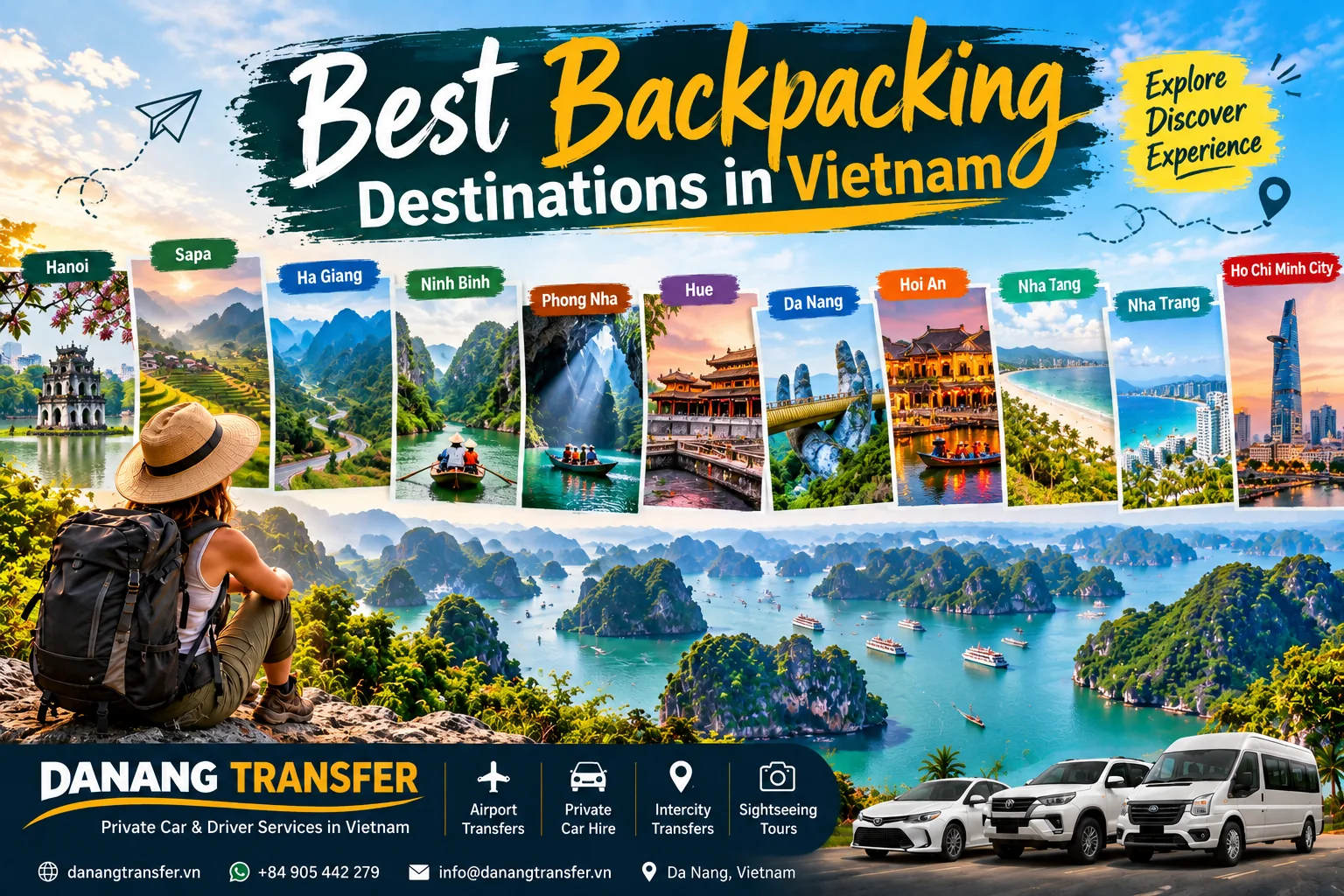
Explore the best backpacking destinations in Vietnam, from the spectacular mountains of the north to the beautiful beaches and vibrant cities of the south.
The following destinations offer an excellent combination of culture, adventure, affordability, and memorable travel experiences.
Hanoi: The Gateway to Northern Vietnam
Hanoi is an excellent starting point for a north-to-south backpacking adventure.

Vietnam’s capital combines centuries-old architecture, fascinating historical landmarks, traditional street markets, and a vibrant backpacking community.
The Old Quarter is particularly popular among budget travelers because of its affordable hostels, inexpensive restaurants, lively atmosphere, and convenient access to major attractions.
Best things to do in Hanoi:
-
Explore the historic Old Quarter and Hoan Kiem Lake.
-
Visit the Temple of Literature and Ho Chi Minh Mausoleum complex.
-
Discover Vietnamese street food and traditional coffee.
-
Experience the city’s bustling night markets.
-
Take a day trip to nearby cultural and natural attractions.
Recommended stay: 2–3 days.
Backpacking tip: Stay near the Old Quarter if you want convenient access to restaurants, hostels, and transportation services.
Travelers arriving at Noi Bai International Airport can arrange transportation through our Hanoi Airport Transfer Service.
Ha Giang: Vietnam’s Ultimate Mountain Adventure
For adventurous backpackers, Ha Giang offers some of Vietnam’s most spectacular mountain scenery.

Located near the Chinese border, the province is famous for its dramatic limestone mountains, winding roads, deep valleys, and traditional ethnic minority villages.
The Ha Giang Loop is a popular multi-day adventure that typically takes three to four days.
Highlights include Dong Van Karst Plateau, Ma Pi Leng Pass, Nho Que River, and traditional mountain villages.
Although motorcycle tours are popular, mountain roads can be narrow, steep, and challenging.
Travelers without sufficient motorcycle experience should consider joining a reputable guided tour with an experienced local driver.
Recommended stay: 3–4 days.
Backpacking tip: Bring warm clothing and a waterproof jacket, as mountain weather can change quickly.
Sapa: Trekking Through Rice Terraces and Mountain Villages
Sapa is another outstanding destination for backpackers who enjoy hiking, photography, and cultural experiences.
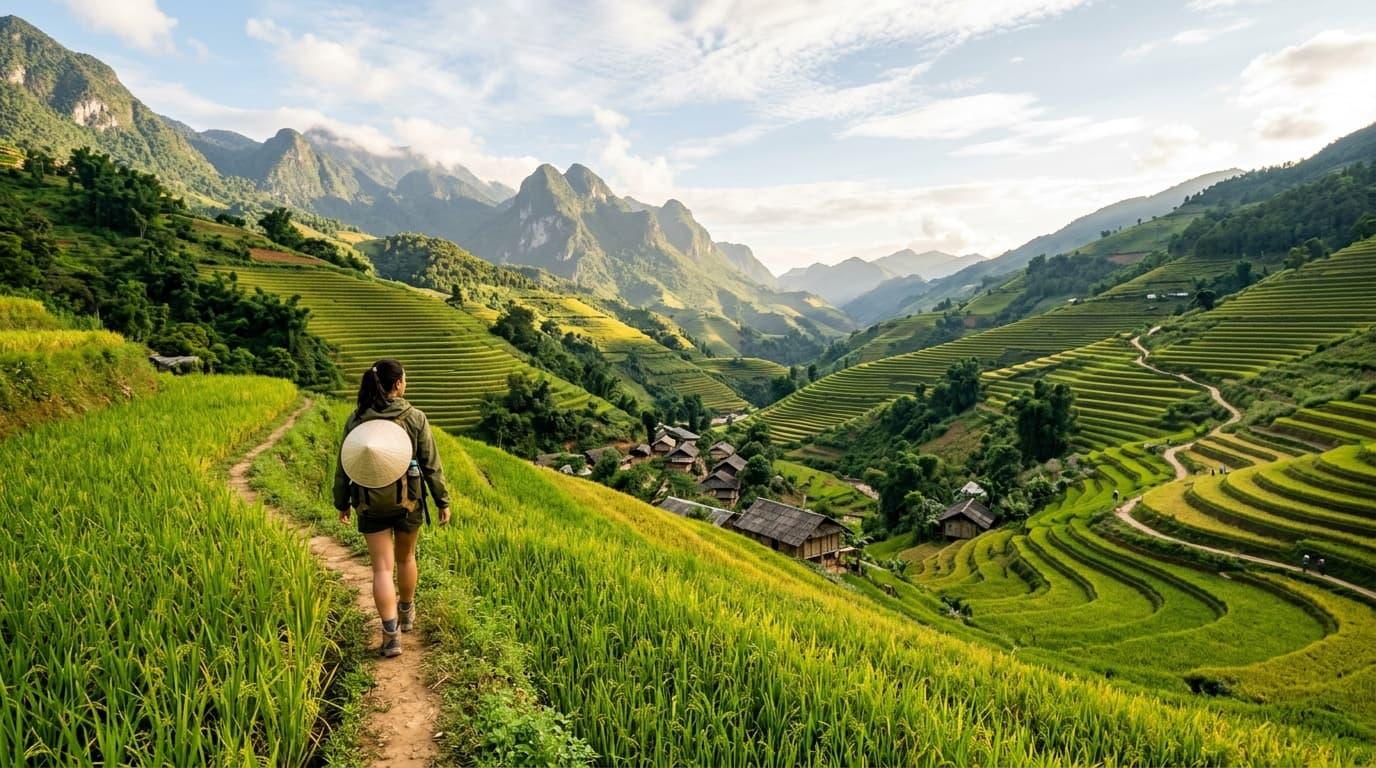
The surrounding mountains feature beautiful terraced rice fields, traditional villages, and scenic trekking routes.
Visitors can explore Muong Hoa Valley, join guided village treks, experience local homestays, and discover the traditions of ethnic minority communities.
Trekking difficulty varies considerably, so choose a route appropriate for your fitness level.
Recommended stay: 2–3 days.
For additional destination ideas, explore our Northern Vietnam Travel Guide: Hanoi, Sapa & Ninh Binh.
Ninh Binh: Spectacular Landscapes on a Backpacker’s Budget
Ninh Binh is famous for its impressive limestone mountains, peaceful rivers, ancient temples, and beautiful countryside.

Often described as Ha Long Bay on land, the region offers remarkable scenery without requiring an expensive travel budget.
Popular activities include taking a traditional boat trip through Trang An or Tam Coc, cycling through countryside villages, climbing to the Hang Mua viewpoint, and visiting Hoa Lu Ancient Capital.
Tam Coc is particularly convenient for backpackers because it offers numerous hostels, homestays, cafés, and bicycle rental services.
Recommended stay: 2 days.
Backpacking tip: Rent a bicycle to explore the surrounding countryside independently.
Phong Nha: Caves, Jungles and Adventure Tourism
Phong Nha is an excellent destination for backpackers interested in outdoor adventures.

The region is home to Phong Nha-Ke Bang National Park, famous for its spectacular limestone landscapes and extensive cave systems.
Visitors can explore Paradise Cave, take a boat trip through Phong Nha Cave, and join organized jungle trekking or cave expeditions.
Some activities require advance reservations and specialist guides.
Recommended stay: 2–3 days.
Backpacking tip: Check weather conditions before booking cave tours, particularly during periods of heavy rainfall.
Hue: History, Culture and Scenic Coastal Journeys
Hue is an essential destination for travelers interested in Vietnamese history and traditional culture.
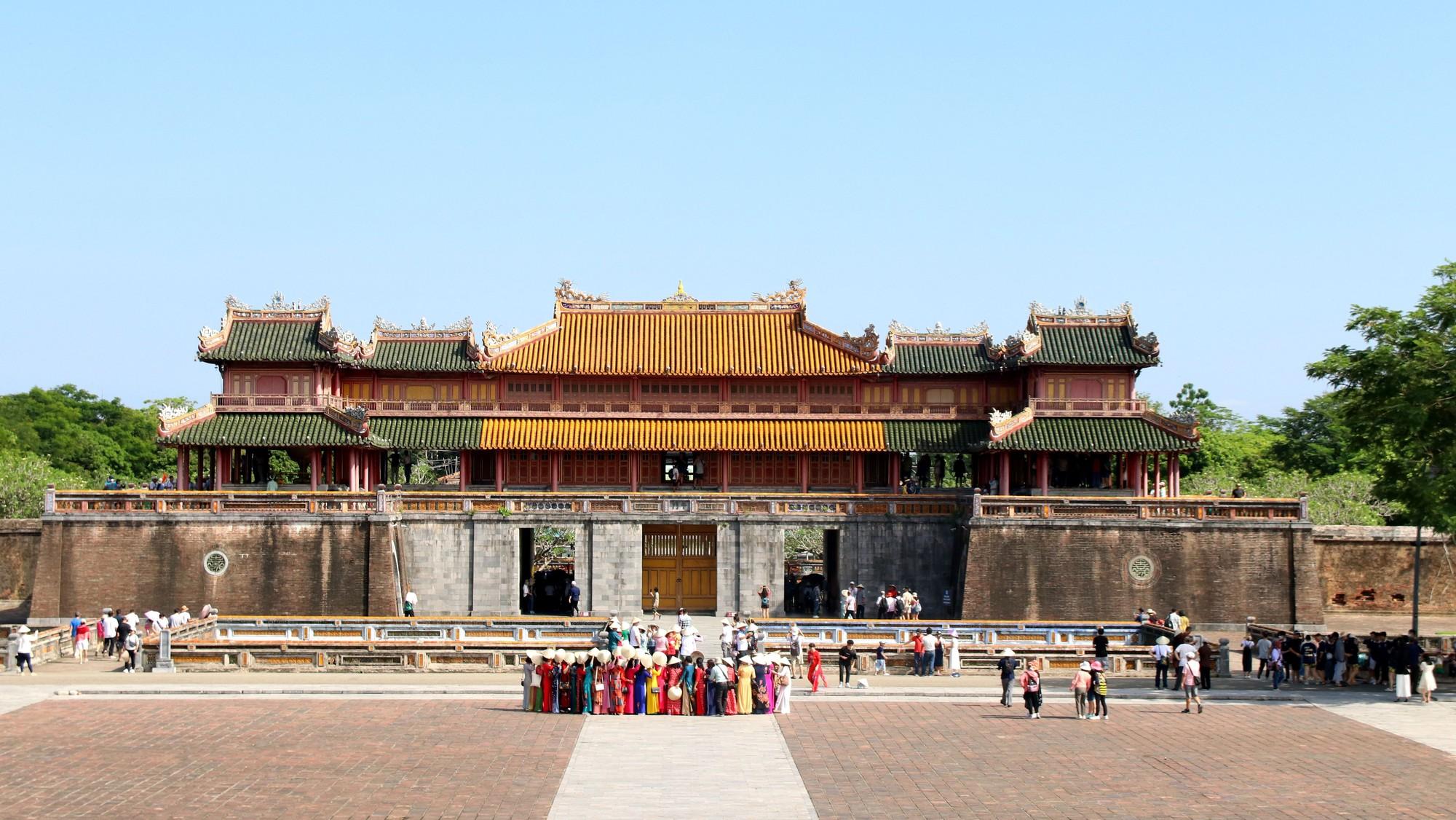
The former imperial capital is famous for its magnificent Imperial City, royal tombs, ancient temples, and the Perfume River.
Backpackers can explore the city by bicycle, sample traditional Hue cuisine, and visit historical landmarks.
One of the most memorable experiences is traveling between Hue and Da Nang via Hai Van Pass.
This spectacular coastal route offers mountain scenery, beautiful beaches, and panoramic views of Central Vietnam.
Recommended stay: 1–2 days.
For travelers who want to explore Hai Van Pass, Lang Co Beach, and Lap An Lagoon along the way, our Hue Private Car Service offers flexible sightseeing transfers.
Da Nang: Beaches, Mountains and Affordable City Experiences
Da Nang is one of the most convenient destinations for backpackers exploring Central Vietnam.
The city offers an excellent combination of beautiful beaches, affordable accommodation, delicious local cuisine, modern infrastructure, and easy access to nearby attractions.

Backpackers can relax at My Khe Beach, explore Marble Mountains, visit Son Tra Peninsula, and experience the spectacular Golden Bridge at Ba Na Hills.
Da Nang is also an ideal transportation hub for visiting Hoi An, Hue, and other destinations in Central Vietnam.
Recommended stay: 2–3 days.
Best activities for backpackers:
-
Enjoy sunrise at My Khe Beach.
-
Explore Marble Mountains and their ancient caves.
-
Visit Linh Ung Pagoda on Son Tra Peninsula.
-
Discover traditional Vietnamese cuisine at local markets.
-
Explore the Dragon Bridge and Han River waterfront.
-
Take a scenic journey across Hai Van Pass.
For additional sightseeing inspiration, read our 10 Things to Do in Da Nang: A Local’s Guide for First-Timers.
If you’re arriving with heavy backpacks or traveling with friends, our Da Nang Private Car Service provides convenient airport transfers, sightseeing transportation, and intercity journeys.
Hoi An: Ancient Streets, Lanterns and Peaceful Countryside
Hoi An is one of Vietnam’s most charming destinations and a favorite among international backpackers.
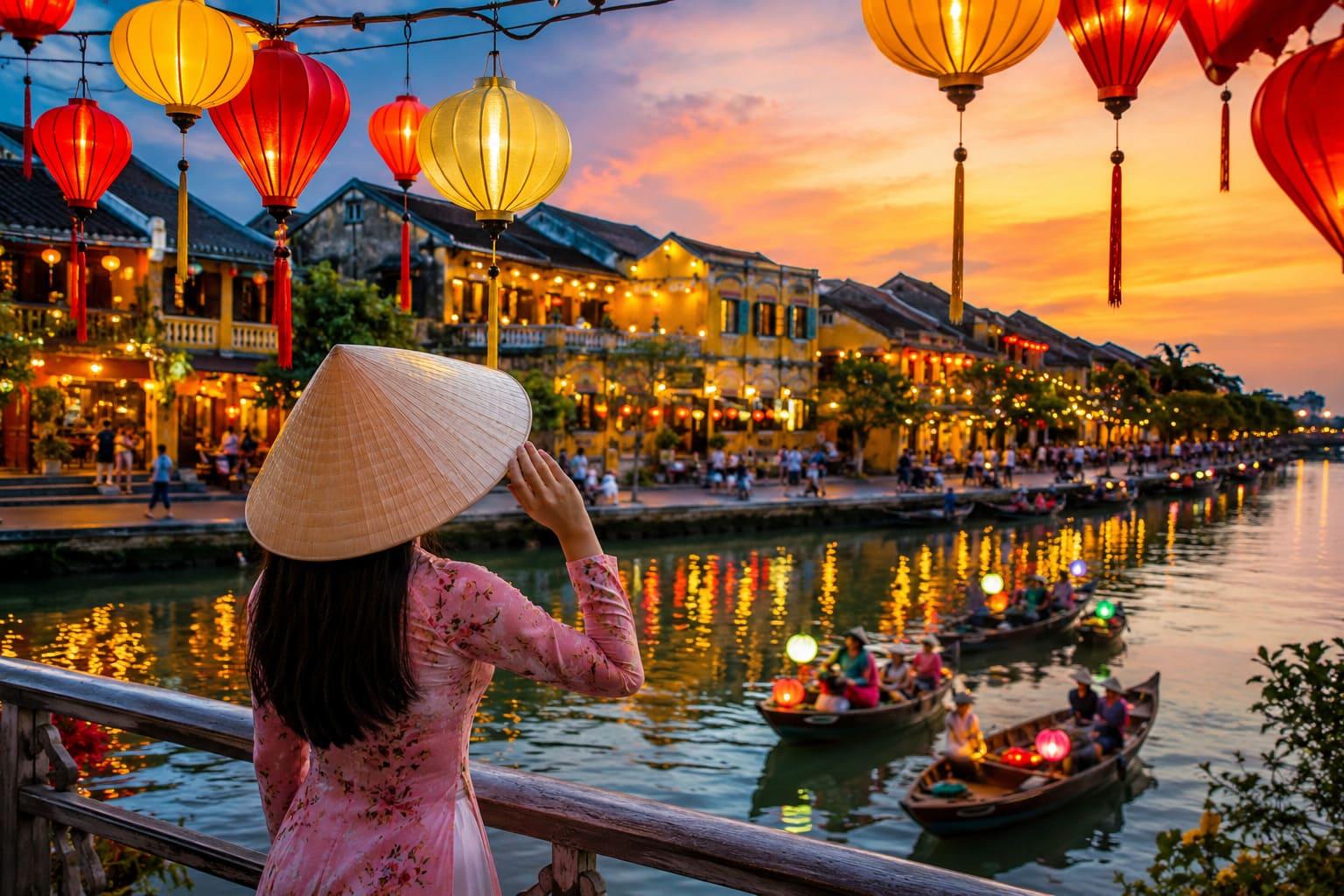
The UNESCO-listed Ancient Town is famous for its traditional architecture, colorful lanterns, historic merchant houses, and beautiful riverside atmosphere.
However, Hoi An offers much more than its famous historical center.
Travelers can cycle through peaceful rice fields, visit traditional craft villages, explore local markets, relax at An Bang Beach, and experience Vietnamese cooking classes.
The surrounding countryside is particularly suitable for independent exploration.
Recommended stay: 2–3 days.
Backpacking tip: Choose accommodation outside the busiest part of the Ancient Town if you prefer a quieter atmosphere and potentially lower prices.
Explore our Hoi An Travel Guide for First-Timers for additional recommendations.
For convenient transportation between Da Nang, Hoi An, and nearby attractions, visit our Hoi An Private Car Service.
Nha Trang: Beaches and Island Adventures
Nha Trang is a popular destination for backpackers who enjoy tropical beaches, marine activities, and lively coastal cities.

Visitors can spend their days swimming, snorkeling, exploring nearby islands, enjoying local seafood, and discovering cultural attractions.
The city offers a wide range of hostels, budget hotels, restaurants, and transportation services.
Recommended stay: 2–3 days.
Travelers arriving at Cam Ranh International Airport can arrange transportation through our Cam Ranh Airport Private Car Transfer Service.
Ho Chi Minh City: An Energetic Southern Adventure
Ho Chi Minh City offers a fascinating contrast to the peaceful landscapes of northern and central Vietnam.
The country’s largest city is famous for its vibrant street life, diverse food scene, historical attractions, shopping districts, and energetic nightlife.
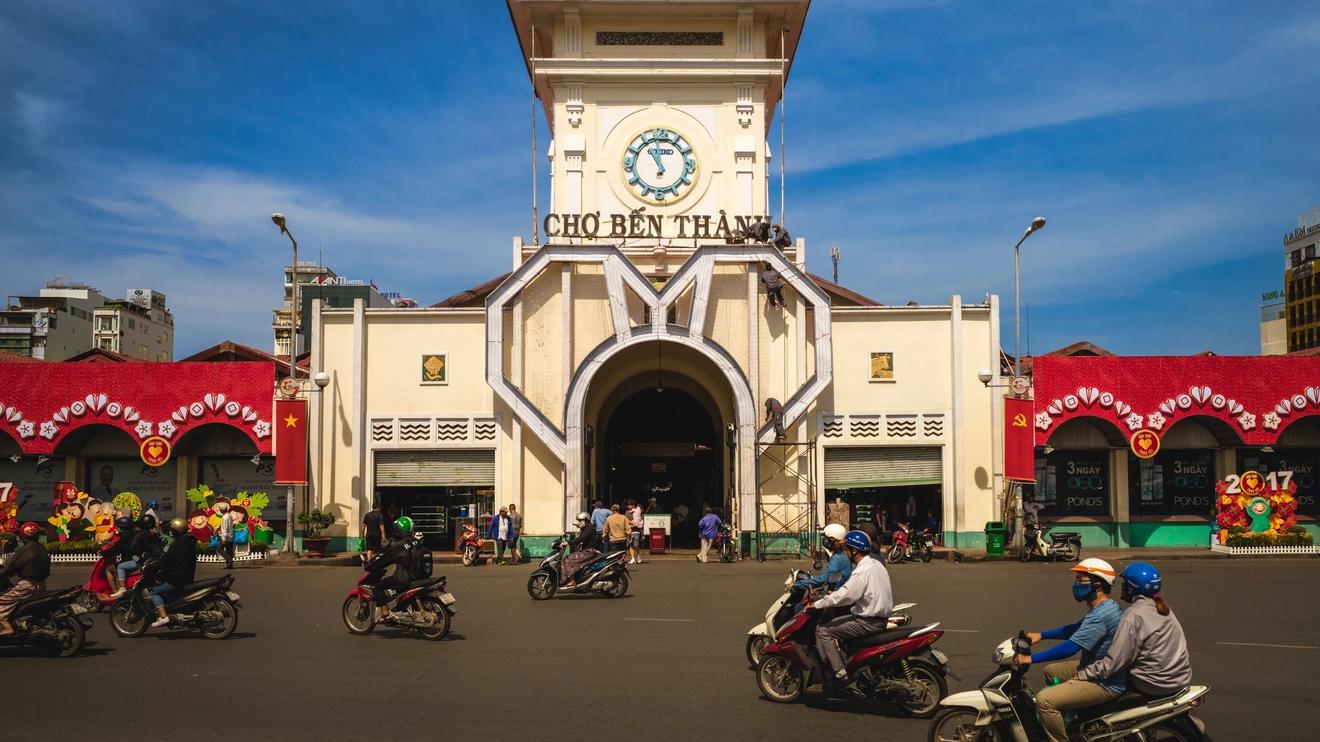
Popular attractions include Ben Thanh Market, the War Remnants Museum, the Independence Palace, and the city’s historic central districts.
Backpackers can also take day trips to the Cu Chi Tunnels or explore the Mekong Delta.
Recommended stay: 2–3 days.
For airport transfers and customized sightseeing, explore our Ho Chi Minh Private Car Service.
3. Vietnam Backpacking Itinerary: 7, 14 and 21 Days
Choosing the right itinerary is essential for balancing sightseeing, travel time, and relaxation.

Explore Vietnam with our 7-day, 14-day and 21-day backpacking itineraries, featuring spectacular landscapes, cultural destinations and convenient transportation.
Your ideal route will depend on your arrival airport, available vacation days, budget, and preferred travel experiences.
7-Day Vietnam Backpacking Itinerary: Central Vietnam
If you only have one week, focusing on a single region is generally more enjoyable than attempting to travel across the entire country.
Central Vietnam is particularly suitable because Da Nang, Hoi An, and Hue are relatively close to one another.
| Day | Destination | Recommended activities |
|---|---|---|
| 1 | Da Nang | Arrival, My Khe Beach and Dragon Bridge |
| 2 | Da Nang | Marble Mountains and Son Tra Peninsula |
| 3 | Ba Na Hills | Golden Bridge and mountain scenery |
| 4 | Hoi An | Ancient Town and night market |
| 5 | Hoi An | An Bang Beach and countryside cycling |
| 6 | Hue | Hai Van Pass and Imperial City |
| 7 | Departure | Return transfer or onward journey |
This itinerary combines historical attractions, beautiful beaches, cultural experiences, and scenic coastal journeys.
For more information, explore our Vietnam 7-Day Itinerary for First-Time Visitors.
14-Day Vietnam Backpacking Itinerary: North to South
Two weeks allow you to experience several major destinations across Vietnam.
| Days | Destination | Highlights |
|---|---|---|
| 1–2 | Hanoi | Old Quarter, street food and historical attractions |
| 3–4 | Ninh Binh | Trang An, Tam Coc and countryside cycling |
| 5–6 | Ha Long Bay | Limestone islands and overnight cruise |
| 7–8 | Hue | Imperial City and royal tombs |
| 9–10 | Da Nang | Beaches, Marble Mountains and Hai Van Pass |
| 11–12 | Hoi An | Ancient Town, countryside and An Bang Beach |
| 13–14 | Ho Chi Minh City | Historical attractions and local markets |
This is an active itinerary that requires efficient transportation planning.
Domestic flights can help reduce travel time between northern, central, and southern Vietnam.
21-Day Vietnam Backpacking Itinerary: The Complete Adventure
Three weeks provide additional opportunities to explore mountain destinations, historical cities, and coastal attractions.
| Days | Destination |
|---|---|
| 1–2 | Hanoi |
| 3–5 | Ha Giang |
| 6–7 | Ninh Binh |
| 8–9 | Ha Long Bay |
| 10–11 | Phong Nha |
| 12–13 | Hue |
| 14–15 | Da Nang |
| 16–17 | Hoi An |
| 18–19 | Nha Trang |
| 20–21 | Ho Chi Minh City |
This itinerary is suitable for energetic travelers who want to visit numerous destinations.
However, it involves frequent transfers. Travelers who prefer a slower pace should consider extending the journey to four weeks or removing one or two destinations.
4. Vietnam Backpacking Budget: How Much Does It Cost?
Vietnam is generally an affordable destination for backpackers, but daily expenses vary depending on accommodation, transportation, activities, and personal travel preferences.

Discover how much backpacking in Vietnam costs, including accommodation, street food, transportation, sightseeing and daily travel budgets.
The following figures are approximate planning estimates in US dollars.
Estimated daily backpacking expenses
| Expense | Budget backpacker | Comfortable backpacker |
|---|---|---|
| Hostel or accommodation | $6–12 | $20–40 |
| Food and drinks | $8–15 | $15–25 |
| Local transportation | $3–8 | $10–20 |
| Activities and sightseeing | $5–15 | $15–30 |
| Estimated daily total | $22–50 | $60–115 |
These estimates exclude international flights, visas, travel insurance, major intercity transportation, and expensive excursions.
Estimated total backpacking budget
| Trip duration | Budget estimate |
|---|---|
| 7 days | $154–350 |
| 14 days | $308–700 |
| 21 days | $462–1,050 |
| 30 days | $660–1,500 |
These figures are intended as general daily-expense estimates rather than complete trip quotations.
Activities such as Ha Long Bay cruises, Ha Giang motorcycle tours, and guided cave expeditions can significantly increase your total budget.
How to save money while backpacking in Vietnam
Accommodation and transportation are two of the easiest areas in which to manage expenses.
Staying in hostel dormitories, eating at local restaurants, and using public transportation can help reduce daily costs.
For longer journeys, compare overnight trains, sleeper buses, and domestic flights.
When traveling with friends, consider sharing transportation costs instead of booking individual taxis for every journey.
For additional cost-saving advice, read our Complete Vietnam Travel Guide: Budget, Visa, Weather & Transportation.
5. Transportation in Vietnam: The Best Ways to Travel
Vietnam offers numerous transportation options suitable for different travel budgets and preferences.
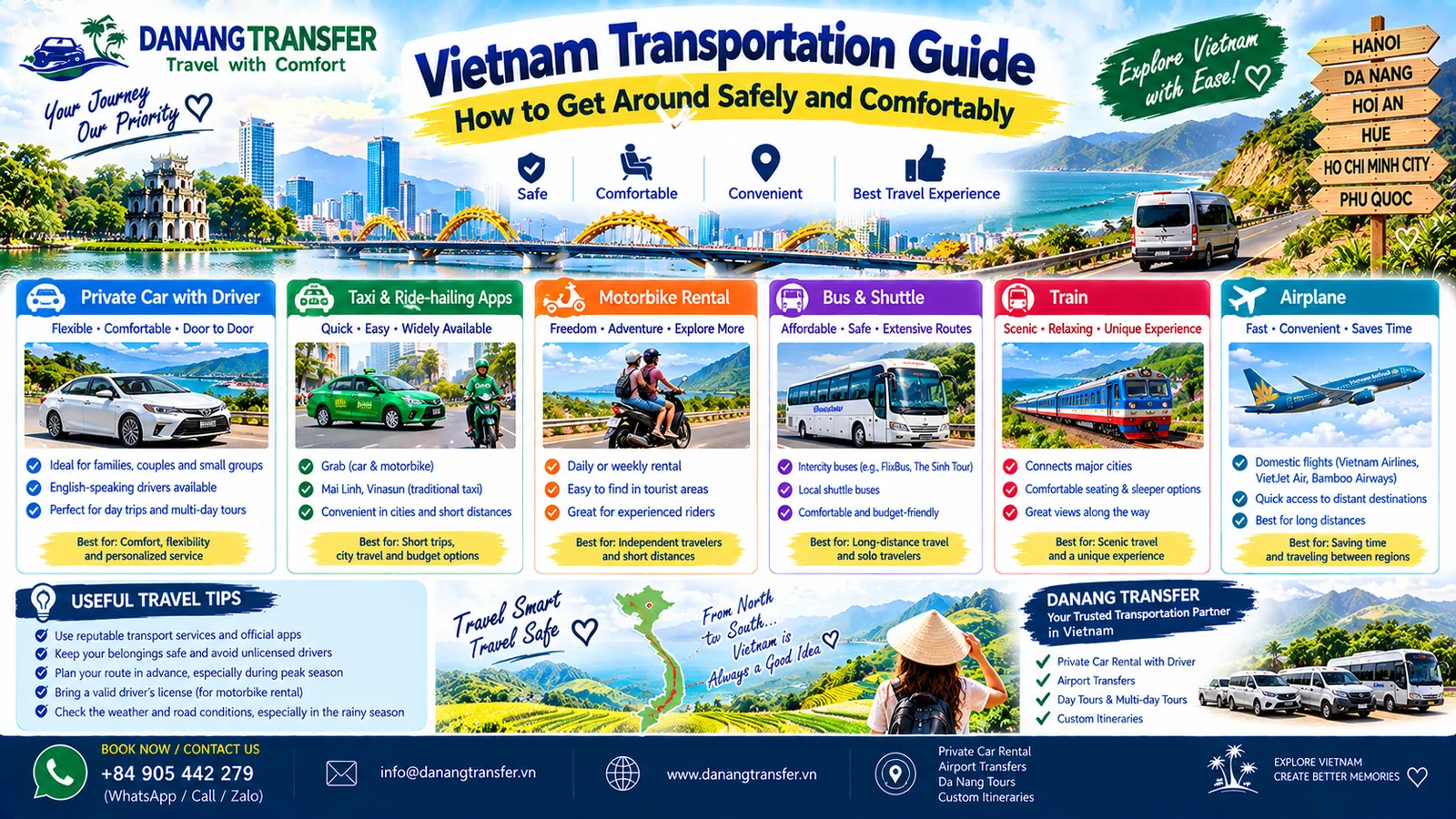
Complete Vietnam transportation guide covering private cars, taxis, ride-hailing apps, motorbikes, buses, trains and domestic flights.
Understanding the advantages and limitations of each option will help you create a more efficient itinerary.
Sleeper buses: Affordable long-distance transportation
Sleeper buses are popular among backpackers traveling between major cities.
They are generally affordable and operate on numerous long-distance routes.
Overnight journeys can also reduce the need to pay for an additional night of accommodation.
However, comfort levels vary considerably between operators.
Choose reputable companies, check recent reviews, and confirm departure and arrival locations before booking.
Trains: Comfortable journeys with beautiful scenery
Vietnam’s railway network connects Hanoi, Hue, Da Nang, Nha Trang, Ho Chi Minh City, and numerous other destinations.
Trains are particularly attractive for travelers who enjoy scenic journeys and prefer an alternative to road transportation.
The railway route between Hue and Da Nang offers spectacular views of mountains and the coastline.
Overnight trains with sleeper cabins are available on selected routes.
Domestic flights: Saving time on longer journeys
Domestic flights are useful when traveling between destinations separated by hundreds of kilometers.
For example, flying between Hanoi and Da Nang or between Da Nang and Ho Chi Minh City can save considerable travel time compared with traveling overland.
However, backpackers should compare total costs, including baggage fees and airport transportation.
Private cars: Flexibility for sightseeing and group travel
Although buses and trains are generally more economical for long-distance journeys, private cars can be particularly convenient for sightseeing trips and shorter intercity transfers.
For example, traveling between Hue and Hoi An by private car allows you to stop at Hai Van Pass, Lang Co Beach, Lap An Lagoon, and other scenic attractions.
This flexibility is difficult to achieve with conventional public transportation.
Private transportation can also be practical for groups of three to six backpackers who want to share the cost.
Danang Transfer provides private cars with experienced local drivers throughout Central Vietnam and other major destinations.
Explore our Vietnam Car Rental with Driver Guide to learn more about this transportation option.
6. Best Time to Go Backpacking in Vietnam

Vietnam’s weather varies considerably between the north, center, and south.
As a result, the best time to visit depends on your preferred destinations and planned activities.
Northern Vietnam
March to April and September to November are generally favorable periods for exploring Hanoi, Ninh Binh, and northern mountain destinations.
Mountainous regions can experience cold temperatures during winter, particularly in Sapa and Ha Giang.
Central Vietnam
February to August generally offers favorable conditions for visiting Da Nang, Hoi An, and Hue.
However, temperatures can become very high during the summer months.
Heavy rainfall and tropical storms can affect Central Vietnam later in the year, particularly during autumn.
Southern Vietnam
December to April is generally the drier season in southern Vietnam.
This period is suitable for exploring Ho Chi Minh City, the Mekong Delta, and southern coastal destinations.
For detailed seasonal information, read our Best Time to Visit Vietnam: Weather by Month and Region.
7. Where to Stay While Backpacking in Vietnam
Accommodation in Vietnam ranges from inexpensive hostel dormitories to comfortable boutique hotels.

Discover affordable hostels, local homestays, budget hotels and comfortable accommodation for backpackers traveling throughout Vietnam.
Choosing the right accommodation depends on your travel budget, preferred atmosphere, and desired level of privacy.
Hostels
Hostels are particularly popular among solo backpackers.
They offer opportunities to meet other travelers, participate in organized activities, and exchange travel recommendations.
Many hostels also provide shared kitchens, laundry services, luggage storage, and assistance with transportation bookings.
Homestays
Homestays offer a more personal experience, especially in rural destinations.
Staying with local families can provide opportunities to experience traditional Vietnamese cuisine and learn about regional customs.
Homestays are particularly popular in Sapa, Ninh Binh, Ha Giang, and the Mekong Delta.
Budget hotels and guesthouses
Budget hotels are suitable for couples, friends traveling together, and backpackers who prefer private accommodation.
In many Vietnamese cities, private hotel rooms can be surprisingly affordable, especially outside peak tourist periods.
Before booking, check recent reviews, location, cleanliness, security, and proximity to transportation services.
8. Essential Packing List for Backpacking in Vietnam
Packing light makes traveling between destinations significantly easier.
A comfortable backpack is generally more practical than carrying multiple large suitcases, especially when using buses, trains, and budget accommodation.
Recommended items include comfortable walking shoes, lightweight clothing, a raincoat, sunscreen, insect repellent, a reusable water bottle, a portable power bank, and a universal travel adapter.
Travelers visiting mountainous destinations should bring additional warm clothing.
A small daypack is also useful for sightseeing and short excursions.
Keep important documents, money, electronics, and medication in your carry-on bag rather than placing them in checked luggage.
9. Vietnam Backpacking Safety Tips
Vietnam is a well-established destination for international backpackers, but travelers should still take sensible precautions.
Protect your valuables
Keep passports, money, and important documents secure.
Be particularly careful in crowded markets, transportation terminals, and busy tourist areas.
Avoid leaving valuables unattended in hostel rooms or public spaces.
Be cautious when crossing streets
Traffic in Vietnamese cities can be busy and unfamiliar to first-time visitors.
Use pedestrian crossings where available, pay attention to approaching vehicles, and avoid sudden movements.
Choose reputable transportation providers
Book transportation through established companies and confirm prices before departure.
If you plan to rent a motorcycle, make sure you have the appropriate license, insurance coverage, and riding experience.
Purchase appropriate travel insurance
Travel insurance is particularly important for backpackers participating in outdoor activities.
Check that your policy covers your intended activities, including trekking, motorcycle travel, and adventure tourism.
For more practical information, read our Safety Tips in Vietnam: Common Scams & How to Avoid Them.
10. Vietnam Visa Requirements for Backpackers
Before traveling to Vietnam, check the entry requirements applicable to your nationality.
Depending on your passport and intended length of stay, you may qualify for visa-free entry or need to obtain an electronic visa.
Vietnam offers an electronic visa system for eligible international travelers.
Applications should be submitted through the official Vietnam Immigration Department website.
Make sure your passport meets the applicable validity requirements and verify the permitted entry points before traveling.
For additional information, explore our Vietnam Visa Guide 2026.
11. SIM Cards, Internet and Essential Travel Apps

Reliable internet access is particularly useful for backpackers who need navigation, transportation bookings, accommodation reservations, and translation services.
Vietnam has several major mobile network operators, including Viettel, Vinaphone, and MobiFone.
Travelers can purchase local SIM cards or compatible eSIM packages.
Before purchasing, compare data allowances, validity periods, coverage, and registration requirements.
Useful travel apps include Google Maps, Google Translate, Grab, and accommodation-booking platforms.
Download offline maps before traveling to remote mountain destinations.
For more information, read our Vietnam SIM Card & Internet Guide 2026.
12. Essential Vietnamese Phrases Every Backpacker Should Know
Learning a few basic Vietnamese expressions can make independent travel easier and more enjoyable.
| English | Vietnamese |
|---|---|
| Hello | Xin chào |
| Thank you | Cảm ơn |
| Goodbye | Tạm biệt |
| Excuse me / Sorry | Xin lỗi |
| How much does it cost? | Bao nhiêu tiền? |
| Yes | Vâng / Dạ |
| No | Không |
| Delicious | Ngon |
Vietnamese is a tonal language, so pronunciation may require some practice.
Even a few simple greetings can help create positive interactions with local people.
Discover more useful expressions in our Essential Vietnamese Greetings for Travelers.
13. Common Backpacking Mistakes to Avoid in Vietnam
One of the most common mistakes is attempting to visit too many destinations within a limited period.
Vietnam is a geographically long country, and transportation between major cities can take considerably longer than expected.
Instead of changing accommodation every night, consider spending at least two or three days in each major destination.
Other common mistakes include overlooking regional weather conditions, booking transportation without checking reviews, packing excessive luggage, and failing to budget for additional activities.
Backpackers should also avoid relying exclusively on cashless payments, as smaller businesses and rural establishments may prefer cash.
Keeping a flexible itinerary and allowing additional time for unexpected changes can make your journey more enjoyable.
14. Private Transportation for Backpackers: When Is It Worth It?
Private transportation is not always the cheapest option, but it can offer excellent value for backpackers traveling in small groups.
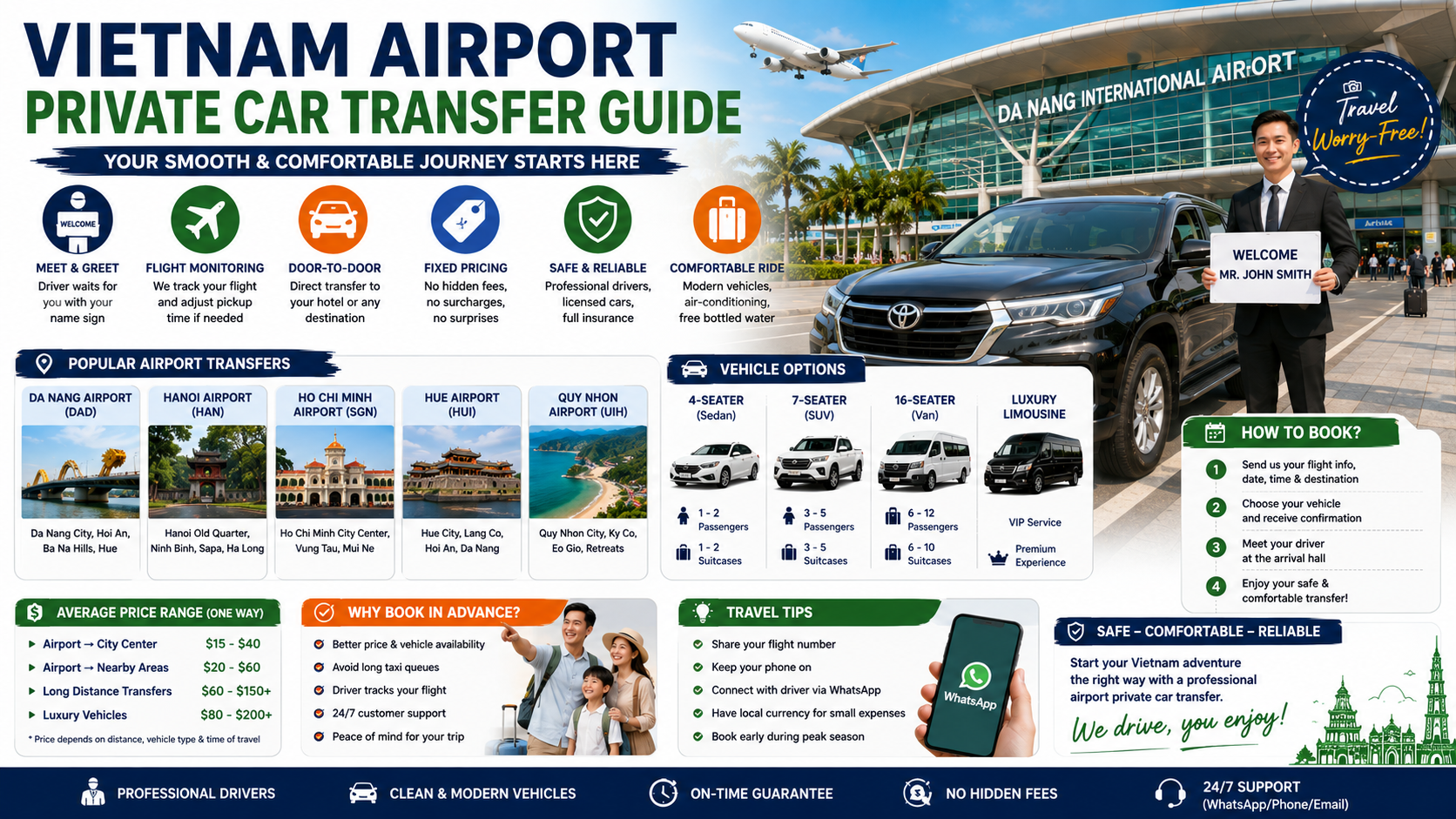
For example, a group of four travelers sharing a private car may find that the individual cost is reasonable compared with booking several separate taxis or organized sightseeing tours.
Private transportation is particularly useful when visiting multiple attractions in one day, traveling with heavy luggage, or exploring destinations that are difficult to reach by public transportation.
Popular private transportation routes in Central Vietnam
Da Nang to Hoi An is one of the most convenient routes for backpackers visiting Central Vietnam.
The journey generally takes approximately 45–60 minutes, depending on traffic and the exact pickup and drop-off locations.
Travelers can also combine the transfer with sightseeing at Marble Mountains or other attractions along the way.
Another popular journey is Hue to Hoi An via Hai Van Pass.
This route offers opportunities to stop at Lang Co Beach, Lap An Lagoon, Hai Van Pass, and Da Nang.
For travelers arriving at Da Nang International Airport, arranging transportation in advance can also help avoid unnecessary waiting after a long flight.
Danang Transfer offers private transportation services for these routes and many other destinations.
Explore our Da Nang Private Car Service, Hoi An Private Car Service, and Hue Private Car Service.
15. Frequently Asked Questions About Backpacking in Vietnam
Is Vietnam good for first-time backpackers?
Yes. Vietnam offers affordable accommodation, extensive transportation options, established backpacking routes, and numerous destinations suitable for independent travelers.
First-time backpackers should plan their itinerary carefully and allow sufficient time between destinations.
How much money do I need for two weeks in Vietnam?
Budget backpackers may spend approximately $308–700 on everyday expenses over two weeks.
However, international flights, visas, travel insurance, long-distance transportation, and expensive excursions can increase the total cost.
Is it better to backpack Vietnam from north to south or south to north?
Both directions are suitable.
The most convenient route depends on your arrival and departure airports, seasonal weather conditions, and preferred destinations.
How many days do I need to backpack Vietnam?
Seven days is suitable for exploring one region.
Two weeks allow you to visit several major destinations, while three to four weeks provide more flexibility for a longer journey.
Can I travel around Vietnam without renting a motorcycle?
Absolutely.
Backpackers can explore Vietnam using trains, buses, domestic flights, taxis, and private cars.
Renting a motorcycle is not necessary to experience the country’s major attractions.
Is Vietnam suitable for solo backpackers?
Vietnam has an established backpacking community, with numerous hostels, group excursions, and popular travel routes.
Solo travelers should follow normal safety precautions, choose reputable accommodation, and keep important travel documents secure.
For additional advice, explore our Vietnam Travel Guide for Solo Travelers.
Should I book transportation in advance?
Advance reservations are advisable during major holidays, peak travel periods, and when traveling on routes with limited transportation options.
During quieter periods, travelers may have more flexibility.
16. Explore Vietnam with Danang Transfer
Backpacking through Vietnam is an unforgettable adventure, but certain journeys become much easier with reliable private transportation.
Whether you’re traveling with friends, exploring Central Vietnam, or arranging an airport transfer, Danang Transfer provides comfortable private cars with experienced local drivers.
Our services include airport transportation, private sightseeing trips, intercity transfers, and customized journeys throughout Vietnam.
Our private transportation services:
Our team can help arrange transportation according to your itinerary, group size, luggage requirements, and preferred sightseeing destinations.
Contact Danang Transfer
Company: Danang Transfer Travel & Transport Co., Ltd.
Address: 09 Tien Son 15, Hoa Cuong, Da Nang City, Vietnam
Hotline / WhatsApp: +84 905 442 279
Email: info@danangtransfer.vn
Website: https://danangtransfer.vn/en/
Final Thoughts: Plan Your Perfect Vietnam Backpacking Adventure
Vietnam offers an extraordinary combination of breathtaking landscapes, fascinating cultural heritage, delicious cuisine, and affordable travel experiences.
From trekking through the spectacular mountains of northern Vietnam to exploring the historical cities and beautiful beaches of Central Vietnam, every region offers something different.
The key to a successful backpacking adventure is balancing your travel budget with comfort, safety, and sufficient time to enjoy each destination.
Choose an itinerary that matches your interests, research transportation options carefully, and remain flexible when unexpected opportunities arise.
Whether you’re traveling independently or exploring Vietnam with friends, thoughtful planning will help you make the most of your journey.
Start planning your Vietnam backpacking adventure today and discover the country at your own pace.